




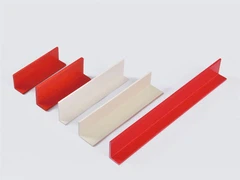

How to control the shrinkage of BMC Group Material?
Jan 19, 2026
Leave a message
Hey there! As a supplier of BMC Group Material, I've been dealing with all sorts of challenges in this industry. One of the most common headaches we face is the shrinkage of BMC Group Material. It can mess up the dimensions of the final products, lead to quality issues, and even cause some serious customer dissatisfaction. So today, I'm gonna share some tips on how to control that shrinkage.
First off, let's understand what causes this shrinkage. BMC Group Material is a thermosetting plastic, and when it goes through the molding process, there are a few things that can make it shrink. During the curing stage, the chemical reactions cause the material to change from a liquid - like state to a solid. This transformation involves a reduction in volume, which is the main culprit behind the shrinkage. Environmental factors like temperature and humidity can also play a role.
Now, onto the solutions!
1. Material Selection
The type of materials you use in your BMC Group Material can greatly affect shrinkage. Different resins, fillers, and additives have different shrinkage rates. For instance, some high - performance resins might have lower shrinkage compared to others. When choosing a resin, look for ones that are specifically formulated to have minimal shrinkage.
You can find a wide range of BMC Group Material with various resin options on our website. These materials are carefully selected to balance performance and dimensional stability.
Similarly, the choice of fillers matters. Fillers can act as a kind of "anchor" in the material. Some common fillers like glass fibers can reduce shrinkage because they have a relatively stable structure. The more glass fibers you add (within a reasonable range), the less the material will shrink during curing.


2. Molding Process Optimization
The molding process is where you can really make a difference in controlling shrinkage. Temperature control is crucial. If the molding temperature is too high, the material might cure too quickly, leading to uneven shrinkage. On the other hand, if it's too low, the curing process might be incomplete, and the material could continue to shrink after it's removed from the mold.
You need to find the sweet spot for your specific BMC Group Material. Usually, the resin manufacturer will provide some guidelines on the optimal molding temperature. Make sure you monitor the temperature closely throughout the process. You can use temperature sensors in the mold to get accurate readings and adjust the heating or cooling system accordingly.
Pressure also plays a role. Applying the right amount of pressure during molding can help compact the material and reduce shrinkage. Higher pressure can force the material to fill the mold more completely, minimizing voids and ensuring a more uniform structure. But be careful not to over - pressurize, as this can cause other problems like flash or damage to the mold.
3. Post - molding Treatment
After the molding is done, there are still some steps you can take to control shrinkage. One effective method is annealing. Annealing involves heating the molded part to a specific temperature and then slowly cooling it. This process helps to relieve internal stresses in the material, which can reduce shrinkage over time.
The annealing temperature and time depend on the type of BMC Group Material you're using. You might need to do some testing to find the best parameters for your product. But in general, a slow and controlled annealing process can make a big difference in the final dimensions of your part.
4. Quality Control and Monitoring
Throughout the entire process, it's essential to have a good quality control system in place. Regularly measure the dimensions of the molded parts to check for any signs of shrinkage. You can use precision measuring tools like calipers or coordinate measuring machines (CMMs).
If you notice any deviations from the desired dimensions, you can quickly adjust the process parameters. For example, if the parts are shrinking more than expected, you might need to increase the molding pressure or adjust the annealing process.
Real - world Applications
Let's take a look at some real - world applications where controlling shrinkage of BMC Group Material is crucial. One such application is BMC Motor Wiring Terminal. These terminals need to have precise dimensions to ensure a proper fit and electrical connection. If there's too much shrinkage, the terminals might not fit correctly, leading to electrical failures.
Another example is BMC Electrical Casing. The casing needs to provide a protective and secure enclosure for electrical components. Shrinkage can cause gaps or warping in the casing, which can compromise the safety and performance of the electrical system.
Conclusion
Controlling the shrinkage of BMC Group Material is a complex but achievable task. By carefully selecting materials, optimizing the molding process, performing post - molding treatments, and implementing a strict quality control system, you can significantly reduce shrinkage and ensure high - quality products.
If you're in the market for high - quality BMC Group Material and want to learn more about how we can help you control shrinkage in your products, don't hesitate to reach out. We're here to assist you in finding the best solutions for your specific needs. Whether it's for motor wiring terminals, electrical casings, or other applications, we've got the expertise and the products to make it happen. Let's start a conversation and see how we can work together to improve your manufacturing process.
References
- Lee, J. K., & Kim, S. H. (2008). Shrinkage behavior of bulk molding compound composites. Composites Science and Technology, 68(1), 23 - 29.
- Wang, Y., & Zhang, L. (2015). Influence of processing parameters on the shrinkage of BMC during compression molding. Journal of Applied Polymer Science, 132(12), 42012.
Send Inquiry