





Are there any regulations for the use of BMC Electrical Casing in different industries?
Jan 19, 2026
Leave a message
As a supplier of BMC Electrical Casing, I've been frequently asked about the regulations governing its use in different industries. In this blog post, I'll delve into the various regulations that apply to BMC Electrical Casing across multiple sectors, highlighting the importance of compliance and how it impacts the quality and safety of electrical systems.
Understanding BMC Electrical Casing
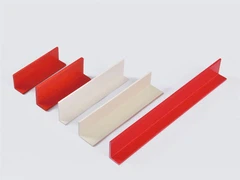
Before we explore the regulations, let's briefly understand what BMC Electrical Casing is. BMC, or Bulk Molding Compound, is a composite material made from a mixture of thermosetting resin, glass fibers, fillers, and additives. BMC Group Material offers excellent electrical insulation properties, mechanical strength, and resistance to heat, chemicals, and flame. BMC Electrical Casing is used to enclose electrical components, protecting them from environmental factors and preventing electrical shocks and short circuits.
Regulations in the Electrical Industry
The electrical industry is one of the primary users of BMC Electrical Casing. In this sector, strict regulations are in place to ensure the safety and reliability of electrical systems. One of the most important standards is the International Electrotechnical Commission (IEC) 60695 series, which covers fire hazard testing for electrical and electronic products. BMC Electrical Casing must meet the requirements of these standards to ensure that it does not contribute to the spread of fire in case of an electrical fault.
In addition to fire safety, electrical insulation is another critical aspect regulated in the electrical industry. The IEC 60296 standard specifies the requirements for insulating liquids used in electrical equipment. BMC Electrical Casing must provide adequate insulation to prevent electrical leakage and ensure the proper functioning of electrical components. Moreover, the casing should be able to withstand high voltages without breaking down, which is crucial for the safety of both the equipment and the users.
Regulations in the Automotive Industry
The automotive industry also relies heavily on BMC Electrical Casing for various applications, such as wiring harnesses, battery enclosures, and motor control units. In this sector, the regulations are focused on ensuring the durability and performance of electrical components in harsh environments. The Society of Automotive Engineers (SAE) has developed a series of standards for automotive electrical systems, including SAE J1113 for electromagnetic compatibility (EMC) and SAE J1645 for electrical connectors.
BMC Electrical Casing used in automotive applications must meet these standards to ensure that it can withstand the vibrations, temperature variations, and chemical exposure commonly encountered in vehicles. Additionally, the casing should be able to resist the effects of automotive fluids, such as gasoline, oil, and coolant, to prevent degradation and ensure long-term reliability.
Regulations in the Industrial Automation Industry
In the industrial automation industry, BMC Electrical Casing is used to protect electrical components in control panels, sensors, and actuators. The regulations in this sector are aimed at ensuring the safety and efficiency of industrial processes. The National Electrical Code (NEC) in the United States and the European Standard EN 60204-1 for electrical equipment of machines are some of the key standards that apply to industrial electrical systems.
BMC Electrical Casing must comply with these standards to ensure that it provides adequate protection against electrical hazards, such as short circuits and electrical shocks. The casing should also be able to withstand the mechanical stresses and environmental conditions typically found in industrial settings, such as dust, moisture, and high temperatures.
Importance of Compliance
Complying with the regulations for BMC Electrical Casing is not only a legal requirement but also essential for ensuring the safety and reliability of electrical systems. Non-compliant casing can pose significant risks, such as fire hazards, electrical failures, and damage to equipment. Moreover, using non-compliant products can lead to costly recalls, legal liabilities, and damage to the reputation of the manufacturer or supplier.
By ensuring that our BMC Electrical Casing meets all the relevant regulations, we can provide our customers with high-quality products that they can trust. Our casing is tested and certified to meet the most stringent standards, giving our customers peace of mind knowing that their electrical systems are safe and reliable.
Our Commitment to Quality and Compliance
As a leading supplier of BMC Electrical Casing, we are committed to providing our customers with the highest quality products that meet all the relevant regulations. We have a state-of-the-art manufacturing facility equipped with the latest technology and equipment to ensure the precision and consistency of our products. Our team of experienced engineers and technicians conducts rigorous quality control checks at every stage of the manufacturing process to ensure that our casing meets the highest standards of quality and performance.
In addition to our commitment to quality, we also offer excellent customer service. Our sales team is always available to answer any questions our customers may have about our products and to provide them with the technical support they need. We understand that every customer has unique requirements, and we are dedicated to working closely with them to find the best solutions for their specific applications.
Conclusion
In conclusion, there are indeed regulations for the use of BMC Electrical Casing in different industries. These regulations are in place to ensure the safety, reliability, and performance of electrical systems in various applications. As a supplier of BMC Electrical Casing, we are committed to complying with these regulations and providing our customers with high-quality products that meet their needs.


If you are in the market for BMC Electrical Casing or have any questions about our products, please don't hesitate to contact us. We would be happy to discuss your requirements and provide you with a detailed quote. Let's work together to ensure the safety and efficiency of your electrical systems.
References
- International Electrotechnical Commission (IEC) 60695 series
- IEC 60296 standard
- Society of Automotive Engineers (SAE) J1113
- SAE J1645
- National Electrical Code (NEC)
- European Standard EN 60204-1
Send Inquiry