




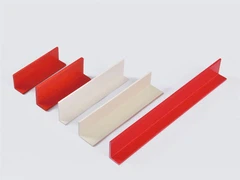

What is the alkali resistance of BMC Electrical Casing?
Jan 19, 2026
Leave a message
Alkali resistance is a critical property for various materials, especially in applications where exposure to alkaline environments is likely. As a leading supplier of BMC Electrical Casing, understanding the alkali resistance of our products is of utmost importance. In this blog post, we'll delve into the concept of alkali resistance in the context of BMC Electrical Casing, exploring what it means, how it's measured, and why it matters.
Understanding Alkali Resistance
Alkali resistance refers to a material's ability to withstand the corrosive effects of alkaline substances. Alkaline environments can be found in many industrial settings, such as chemical processing plants, water treatment facilities, and certain outdoor environments where soil or water has a high pH. When a material is exposed to alkaline substances, chemical reactions can occur that may degrade the material's structure, leading to a loss of mechanical properties, appearance, or functionality.


In the case of BMC Electrical Casing, alkali resistance is crucial for ensuring the long - term performance and reliability of the casing. Electrical casings are used to protect electrical components from environmental factors, including exposure to chemicals. If the casing is not alkali - resistant, it can become brittle, cracked, or otherwise damaged over time, which can compromise the protection it provides to the electrical components inside.
Composition of BMC and Its Impact on Alkali Resistance
BMC, or Bulk Molding Compound, is a composite material made up of several components, including thermosetting resins, glass fibers, fillers, and additives. The specific composition of BMC can vary depending on the intended application, but each component plays a role in determining the material's alkali resistance.
- Thermosetting Resins: Resins are the matrix material in BMC, and they bind the other components together. Different types of resins have different levels of alkali resistance. For example, epoxy resins generally have good alkali resistance due to their chemical structure, which is relatively stable in alkaline environments. On the other hand, some polyester resins may be more susceptible to alkali attack, especially if they have certain functional groups that can react with alkaline substances.
- Glass Fibers: Glass fibers are used to reinforce the BMC, providing strength and stiffness. The type of glass used can also affect alkali resistance. E - glass, which is the most commonly used type of glass fiber in BMC, has some degree of alkali resistance, but it may be vulnerable to long - term exposure to highly alkaline environments. S - glass, which has a different chemical composition, offers better alkali resistance and is often used in applications where higher levels of protection are required.
- Fillers and Additives: Fillers are added to BMC to improve its processing properties, reduce cost, and modify its physical properties. Some fillers, such as calcium carbonate, may react with alkali substances, reducing the overall alkali resistance of the BMC. Additives, such as antioxidants and UV stabilizers, are used to enhance the material's performance in various environments. Some additives can also improve alkali resistance by preventing or reducing the chemical reactions that occur between the BMC and alkaline substances.
Measuring Alkali Resistance
There are several methods for measuring the alkali resistance of BMC Electrical Casing. One common method is to expose the material to an alkaline solution of a known concentration and temperature for a specified period of time. After the exposure, the material is evaluated for changes in its appearance, weight, dimensions, and mechanical properties.
- Appearance: The visual inspection of the material can reveal signs of degradation, such as discoloration, cracking, or peeling. These changes can indicate that the material is being affected by the alkaline environment.
- Weight and Dimension Changes: Measuring the weight and dimensions of the material before and after exposure to the alkaline solution can provide information about the extent of chemical reactions and physical changes that have occurred. An increase in weight may indicate that the material has absorbed the alkaline solution or that new compounds have formed on its surface. A change in dimensions, such as swelling or shrinkage, can also affect the fit and performance of the electrical casing.
- Mechanical Property Testing: Tensile strength, flexural strength, and impact resistance are important mechanical properties of BMC Electrical Casing. Testing these properties before and after alkali exposure can show how the material's strength and durability have been affected. A significant decrease in these properties may indicate that the material's structure has been damaged by the alkaline environment.
Why Alkali Resistance Matters in Electrical Casing Applications
In electrical applications, the alkali resistance of BMC Electrical Casing is essential for several reasons.
- Protection of Electrical Components: Electrical components are vulnerable to damage from alkaline substances. If the casing is not alkali - resistant, the alkaline substances can penetrate the casing and come into contact with the electrical components, causing corrosion, short - circuits, or other electrical failures. By providing a protective barrier, alkali - resistant BMC Electrical Casing helps to ensure the reliable operation of electrical systems.
- Long - Term Performance: Electrical systems are often expected to operate for many years without significant maintenance or replacement. Alkali - resistant BMC Electrical Casing can withstand the effects of long - term exposure to alkaline environments, reducing the need for frequent repairs or replacements. This can result in significant cost savings over the life of the electrical system.
- Compliance with Standards: Many industries have specific standards and regulations regarding the use of materials in electrical applications. These standards often include requirements for alkali resistance to ensure the safety and reliability of electrical systems. By using alkali - resistant BMC Electrical Casing, manufacturers can ensure that their products meet these standards and avoid potential legal and safety issues.
Our BMC Electrical Casing and Alkali Resistance
As a supplier of BMC Electrical Casing, we are committed to providing high - quality products with excellent alkali resistance. Our BMC is formulated using carefully selected materials and additives to optimize its performance in alkaline environments.
We conduct rigorous testing on our products to ensure that they meet or exceed the industry standards for alkali resistance. Our manufacturing process is also carefully controlled to ensure the consistency and quality of each batch of BMC Electrical Casing. Whether you need casings for industrial electrical equipment, outdoor electrical installations, or other applications, our products are designed to provide reliable protection in the face of alkaline challenges.
In addition to our BMC Electrical Casing, we also offer other related products such as BMC Group Material and BMC Motor Wiring Terminal. These products are also engineered to have good alkali resistance, providing a comprehensive solution for your electrical component protection needs.
Contact Us for Your BMC Electrical Casing Needs
If you are in the market for high - quality, alkali - resistant BMC Electrical Casing, we invite you to reach out to us for more information. Our team of experts is ready to assist you in selecting the right product for your specific application. Whether you have questions about our products, need a sample, or are interested in discussing a large - scale procurement, we are here to help. Don't hesitate to contact us to start a discussion about how our BMC Electrical Casing can meet your requirements and provide reliable protection for your electrical components in alkaline environments.
References
- Handbook of Composite Materials, edited by several composite material experts, discussing the properties and applications of BMC.
- ASTM standards related to the testing of the chemical resistance of composite materials.
- Technical reports from leading research institutions on the corrosion of materials in alkaline environments.
Send Inquiry