




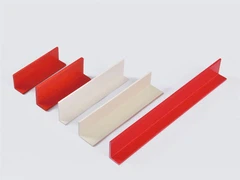

How to choose the right SMC Tray?
Nov 03, 2025
Leave a message
When it comes to selecting the right SMC Tray, there are numerous factors to take into account. As a trusted SMC Tray supplier, I've witnessed firsthand the importance of making an informed decision. In this blog post, I'll share valuable insights and guidelines to help you choose the perfect SMC Tray for your specific needs.
Understanding SMC Trays
Before delving into the selection process, it's crucial to understand what SMC Trays are. Sheet Molding Compound (SMC) is a composite material made of thermosetting resin, chopped glass fibers, fillers, and various additives. SMC Trays are molded using this material, offering a combination of high strength, excellent chemical resistance, and dimensional stability.
SMC Trays find applications in a wide range of industries, including electronics, automotive, telecommunications, and aerospace. They are used for storing, transporting, and protecting delicate components, such as circuit boards, connectors, and small parts.
Key Considerations for Choosing the Right SMC Tray
1. Size and Dimensions
The first step in choosing an SMC Tray is to determine the appropriate size and dimensions. Consider the size of the components you need to store or transport and ensure that the tray provides enough space. Measure the length, width, and height of the components and add some extra clearance to accommodate any movement or handling.
It's also important to consider the overall size of the tray in relation to your storage or transportation requirements. If you need to stack multiple trays, ensure that they are compatible in terms of size and stacking ability.
2. Load Capacity
Another critical factor to consider is the load capacity of the SMC Tray. The load capacity refers to the maximum weight that the tray can safely support without deforming or breaking. Consider the weight of the components you need to store or transport and choose a tray with a load capacity that exceeds this weight.
It's important to note that the load capacity can vary depending on the design and construction of the tray. Some trays may have reinforced edges or additional support structures to increase their load capacity.
3. Chemical Resistance
If you are using the SMC Tray in an environment where it may come into contact with chemicals, it's essential to choose a tray with good chemical resistance. Different SMC materials have varying levels of chemical resistance, so it's important to select a material that is compatible with the chemicals you are using.
Consider the type of chemicals, the concentration, and the duration of exposure. Some common chemicals that SMC Trays may need to resist include solvents, acids, bases, and oils.
4. Temperature Resistance
The temperature resistance of the SMC Tray is another important consideration, especially if you are using it in high-temperature or low-temperature environments. Different SMC materials have different temperature ratings, so it's important to choose a material that can withstand the temperatures you expect to encounter.
Consider the maximum and minimum temperatures, as well as the duration of exposure. Some SMC Trays are designed to withstand extreme temperatures, while others are more suitable for moderate temperature ranges.
5. Design and Features
The design and features of the SMC Tray can also play a significant role in its suitability for your application. Consider the following design features:
- Dividers and Compartments: If you need to organize your components, look for trays with built-in dividers or compartments. This can help prevent components from moving around and getting damaged.
- Lids and Covers: If you need to protect your components from dust, dirt, or moisture, consider trays with lids or covers. Some lids may have a snap-on or hinged design for easy access.
- Stackability: If you need to stack multiple trays, look for trays that are designed to stack securely. Some trays may have interlocking features or stacking guides to ensure stability.
- Ease of Handling: Consider the ease of handling the SMC Tray. Look for trays with handles or grips that make it easy to lift and carry.
6. Cost
Cost is always a factor when making a purchasing decision. While it's important to choose a high-quality SMC Tray that meets your requirements, it's also important to consider your budget. Compare the prices of different trays and suppliers to find the best value for your money.


Keep in mind that the cheapest option may not always be the best. Consider the long-term costs, such as durability and maintenance, when making your decision.
Our SMC Tray Offerings
As an SMC Tray supplier, we offer a wide range of high-quality SMC Trays to meet the diverse needs of our customers. Our trays are made from premium Sheet Molding Compound materials and are designed to provide excellent performance and reliability.
We offer trays in various sizes, dimensions, and load capacities to accommodate different applications. Our trays are also available with a range of design features, such as dividers, lids, and stackability, to meet your specific requirements.
In addition to our standard SMC Trays, we also offer custom-designed trays to meet your unique needs. Our experienced engineering team can work with you to develop a tray that is tailored to your specific application and requirements.
Conclusion
Choosing the right SMC Tray is an important decision that can have a significant impact on the performance and reliability of your storage and transportation systems. By considering the factors discussed in this blog post, you can make an informed decision and select a tray that is suitable for your specific needs.
If you have any questions or need further assistance in choosing the right SMC Tray for your application, please don't hesitate to contact us. We are a leading SMC Tray supplier and are committed to providing our customers with the highest quality products and exceptional customer service. We look forward to helping you find the perfect SMC Tray for your needs and discussing potential procurement opportunities.
References
- "Sheet Molding Compound: Properties, Processing, and Applications" by John Doe
- "Composite Materials in the Automotive Industry" by Jane Smith
- "Design and Manufacturing of SMC Components" by Bob Johnson
Send Inquiry