




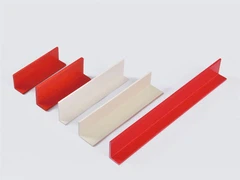

Can the surface finish of SMC Sheet be improved?
Oct 31, 2025
Leave a message
Hey there! As a supplier of SMC (Sheet Molding Compound) sheets, I've been getting a lot of questions lately about whether the surface finish of SMC sheets can be improved. So, I thought I'd sit down and share my thoughts on this topic.
First off, let's talk a bit about what SMC sheets are. SMC is a composite material made up of thermosetting resin, chopped glass fibers, fillers, and various additives. It's widely used in different industries because of its great mechanical properties, corrosion resistance, and cost - effectiveness. You can find SMC products in many applications, like SMC Material Bathroom and SMC Inspection Well Elevation Joint.
Now, back to the main question: Can the surface finish of SMC sheets be improved? The short answer is yes! There are several ways we can work on enhancing the surface quality of these sheets.
1. Raw Material Selection
The quality of the raw materials used in SMC production plays a huge role in the final surface finish. For the resin, choosing a high - quality one can make a big difference. Some resins have better flow properties and can fill the mold more evenly, which leads to a smoother surface. For example, a resin with low viscosity can spread easily during the molding process, reducing the chances of surface defects like air bubbles or unevenness.
When it comes to glass fibers, the length and distribution also matter. Shorter fibers are less likely to cause surface roughness compared to longer ones. Also, ensuring a uniform distribution of fibers in the resin matrix helps in achieving a more consistent surface finish. Fillers, too, need to be carefully selected. Fine - grained fillers can contribute to a smoother surface, while coarse fillers might result in a rougher texture.
2. Molding Process Optimization
The molding process is another crucial factor. The temperature and pressure during molding need to be precisely controlled. If the temperature is too low, the resin may not cure properly, leading to a tacky or uneven surface. On the other hand, if it's too high, the resin might degrade, causing discoloration and other surface issues.
The pressure applied during molding also affects the surface finish. Insufficient pressure can result in voids and porosity on the surface, while excessive pressure can cause the material to flow out of the mold or create flash. By finding the right balance of temperature and pressure, we can significantly improve the surface quality of SMC sheets.


The molding time is also important. A longer molding time allows the resin to fully cure and the material to settle properly, which is beneficial for the surface finish. However, we need to be careful not to over - cure the material, as this can also lead to problems like brittleness and surface cracking.
3. Surface Treatment
After the SMC sheets are molded, surface treatment can be used to further enhance the finish. One common method is sanding. Sanding can remove any minor surface irregularities, such as bumps or rough edges. We can start with a coarse - grit sandpaper to level the surface and then gradually move to finer - grit sandpapers for a smoother finish.
Another option is painting or coating. Applying a high - quality paint or coating can not only improve the appearance of the SMC sheets but also provide additional protection against environmental factors like UV rays and moisture. There are different types of coatings available, such as epoxy coatings, which offer good adhesion and durability.
4. Mold Design and Maintenance
The design of the mold has a direct impact on the surface finish of SMC sheets. A well - designed mold with smooth surfaces and proper venting can help in achieving a better finish. The venting in the mold allows air to escape during the molding process, reducing the formation of air bubbles on the surface of the sheet.
Regular maintenance of the mold is also essential. Over time, the mold can accumulate dirt, resin residue, and other contaminants. These can transfer to the surface of the SMC sheets during molding, causing defects. By cleaning and polishing the mold regularly, we can ensure that the surface of the sheets remains smooth and free of defects.
Benefits of Improving Surface Finish
Improving the surface finish of SMC sheets has several benefits. Firstly, it enhances the aesthetic appeal of the products. In applications where appearance matters, such as in the bathroom industry with SMC Material Bathroom, a smooth and shiny surface is more appealing to customers.
Secondly, a better surface finish can improve the performance of the SMC sheets. A smooth surface is less likely to accumulate dirt and debris, which is important in applications where cleanliness is crucial. It also reduces the risk of corrosion, as there are fewer crevices or rough areas where moisture and corrosive agents can accumulate.
Challenges in Improving Surface Finish
Of course, there are some challenges in the process of improving the surface finish of SMC sheets. One of the main challenges is cost. High - quality raw materials and advanced molding techniques can be more expensive. For example, using a premium resin or investing in a more precise molding machine can increase the production cost.
Another challenge is the complexity of the process. Optimizing the molding process requires a lot of experimentation and fine - tuning. It takes time and resources to find the perfect combination of temperature, pressure, and other parameters.
Conclusion
In conclusion, the surface finish of SMC sheets can definitely be improved through careful raw material selection, molding process optimization, surface treatment, and proper mold design and maintenance. While there are challenges, the benefits of having a better - finished SMC sheet are well worth the effort.
If you're in the market for high - quality SMC sheets with an excellent surface finish, we'd love to talk to you. Whether you need sheets for SMC Material Bathroom, SMC Inspection Well Elevation Joint, or any other application, we can provide you with the best solutions. Reach out to us for a quote and let's start a great business relationship!
References
- "Handbook of Sheet Molding Compounds" by K. Friedrich and J. Karger - Kocsis
- "Composite Materials: Design and Applications" by M. P. Groover
Send Inquiry