





Can BMC Electrical Casing resist chemical corrosion?
Jan 07, 2026
Leave a message
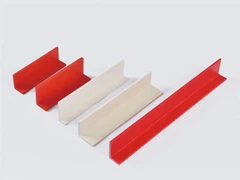
Yo, I'm a supplier of BMC Electrical Casing, and I often get asked: "Can BMC Electrical Casing resist chemical corrosion?" Well, let's dig into this question and find out.
First off, what's BMC? BMC stands for Bulk Molding Compound. It's a composite material composed of thermosetting resins, glass fibers, fillers, and various additives. BMC has been around for a while and has found its way into a whole bunch of applications, especially in the electrical industry. Our BMC Electrical Casing is one such product that has been getting a lot of attention.
Now, let's talk about chemical corrosion. Chemical corrosion is basically the degradation of a material due to chemical reactions with its environment. This can be caused by all sorts of things, like acids, alkalis, salts, and even some gases. In an electrical context, the casing needs to protect the internal components from these corrosive substances to ensure the proper functioning and longevity of the electrical system.
So, can BMC Electrical Casing resist chemical corrosion? The answer is a big yes, and here's why.


Composition and Properties of BMC
The thermosetting resins in BMC play a crucial role in its chemical resistance. These resins, like polyester or epoxy, form a three - dimensional cross - linked structure when cured. This structure acts as a barrier, preventing corrosive substances from easily penetrating the material.
The glass fibers in BMC also contribute to its strength and resistance. They reinforce the resin matrix, making the casing more rigid and less likely to crack or deform when exposed to chemicals. Cracks and deformations can provide pathways for corrosive agents to reach the internal parts of the casing, so having good structural integrity is super important.
Plus, the fillers used in BMC can enhance its chemical resistance. For example, some fillers can react with certain corrosive substances in a way that neutralizes their effect or forms a protective layer on the surface of the casing.
Real - world Applications
In many industrial settings, our BMC Electrical Casing has proven its worth. Take the chemical processing plants, for instance. These places are full of all kinds of corrosive chemicals, from strong acids to caustic alkalis. Our casings have been installed in these harsh environments, and they've held up pretty well. They protect the electrical wiring and components from the corrosive fumes and spills, reducing the risk of electrical failures due to chemical damage.
Another example is the marine industry. Saltwater is highly corrosive, and electrical systems on boats and ships need to be well - protected. Our BMC Electrical Casing has been used in marine applications, and it has shown excellent resistance to the saltwater environment. It doesn't rust or degrade easily, which is a huge plus for the reliability of the electrical systems on board.
Comparison with Other Materials
When compared to traditional materials like metal or plastic, BMC Electrical Casing has some clear advantages in terms of chemical resistance.
Metals are prone to rusting and corrosion when exposed to moisture and chemicals. For example, iron and steel will quickly corrode in the presence of acids or saltwater. Even though some metals can be coated to improve their corrosion resistance, the coating can wear off over time, leaving the metal vulnerable.
Plastics, on the other hand, may not be as strong or heat - resistant as BMC. Some plastics can also be dissolved or swollen by certain chemicals, which compromises their protective function. BMC, with its combination of resin, glass fibers, and fillers, offers a more balanced set of properties, including good chemical resistance, high strength, and heat resistance.
Limitations and Considerations
Of course, no material is perfect, and BMC Electrical Casing is no exception. While it can resist a wide range of chemicals, there are some extremely aggressive chemicals that can still cause damage. For example, concentrated sulfuric acid or some strong oxidizing agents may be too much for BMC to handle.
Also, the performance of BMC Electrical Casing can be affected by factors like temperature and exposure time. High temperatures can accelerate chemical reactions, and long - term exposure to a corrosive environment may gradually degrade the casing. So, it's important to choose the right grade of BMC and design the casing properly for the specific application.
Related Products
We also offer other BMC - based products that are related to the electrical industry. Our BMC Motor Wiring Terminal is another great product that shares many of the same properties as the BMC Electrical Casing. It has good chemical resistance, which is essential for protecting the electrical connections in motors from corrosion.
Our BMC Group Material is used in a variety of applications, and it can be customized to meet different requirements. Whether you need a material with high chemical resistance or other specific properties, we can work with you to develop the right solution.
Conclusion
In conclusion, BMC Electrical Casing is a great choice when it comes to resisting chemical corrosion. Its unique composition and properties make it well - suited for a wide range of applications in harsh environments. However, it's important to understand its limitations and choose the right product for your specific needs.
If you're in the market for high - quality BMC Electrical Casing or any of our other BMC products, I'd love to have a chat with you. We can discuss your requirements in detail and see how we can provide the best solution for you. Don't hesitate to reach out for a procurement discussion.
References
- "Handbook of Composite Materials"
- "Corrosion Science and Engineering"
- Industry reports on BMC materials and their applications in the electrical industry
Send Inquiry