




Can SMC Ceiling be used outdoors?
Dec 26, 2025
Leave a message
Hey there! As a supplier of SMC ceiling products, I often get asked a bunch of questions. One question that pops up quite a bit is, "Can SMC ceiling be used outdoors?" Well, let's dig into this topic and find out.
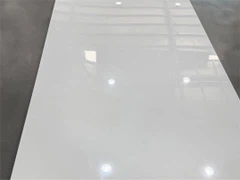
First off, let's understand what SMC ceiling is. SMC stands for Sheet Molding Compound. It's a composite material made up of glass fibers, resins, and various additives. SMC ceilings are known for their durability, lightweight nature, and aesthetic appeal. They're commonly used indoors in places like offices, hotels, and residential buildings.
Now, when it comes to using SMC ceiling outdoors, there are several factors we need to consider.
Weather Resistance
The outdoors is a whole different ballgame compared to the indoors. Mother Nature can be pretty harsh with her elements. Sunlight, rain, wind, and temperature fluctuations are just some of the things SMC ceiling would have to deal with if used outdoors.
Sunlight contains ultraviolet (UV) rays. Over time, these UV rays can cause the color of the SMC ceiling to fade and the material to become brittle. This is a major concern if you want your outdoor ceiling to look good and last a long time. However, some SMC ceiling products are treated with UV - resistant coatings. These coatings can help protect the material from the damaging effects of the sun.
Rain is another factor. SMC is generally water - resistant, but continuous exposure to rain can lead to issues. If water seeps into the joints or any small cracks in the ceiling, it could cause problems like mold growth or damage to the underlying structure. Proper installation and sealing are crucial to prevent water infiltration.
Wind can also put stress on the SMC ceiling. High - speed winds can cause the ceiling panels to vibrate or even get dislodged if they're not properly secured. So, the installation method and the strength of the supporting structure are very important.
Temperature Changes
Temperature changes can have a significant impact on SMC ceiling. SMC has a certain coefficient of thermal expansion. This means that as the temperature goes up or down, the material will expand or contract. In an outdoor environment, where temperatures can vary greatly between day and night or between seasons, this expansion and contraction can cause the ceiling panels to warp or crack.
For example, in hot summer days, the SMC ceiling might expand. If there's not enough room for this expansion, it could lead to buckling. On cold winter nights, the contraction could cause small cracks to form.
Chemical Exposure
Outdoor environments can expose the SMC ceiling to various chemicals. Pollutants in the air, such as acid rain, can corrode the surface of the SMC. Industrial areas might have higher levels of chemical pollutants that could damage the ceiling. Even common substances like bird droppings can be acidic and cause staining or damage if left on the ceiling for too long.
Advantages of Using SMC Ceiling Outdoors
Despite the challenges, there are also some advantages to using SMC ceiling outdoors.
One of the biggest advantages is its lightweight. Compared to traditional ceiling materials like wood or metal, SMC ceiling is much lighter. This makes it easier to install, especially in areas where the supporting structure might not be able to handle heavy loads.
SMC ceiling is also quite durable. It can withstand a certain amount of impact and wear. This is useful in outdoor areas where there might be some activity that could accidentally hit the ceiling.
Another advantage is its insulating properties. SMC can act as a Insulator, helping to keep the area under the ceiling cooler in the summer and warmer in the winter. This can lead to energy savings if the outdoor area is used for activities like dining or storage.
Installation Considerations
If you decide to use SMC ceiling outdoors, proper installation is key. The ceiling should be installed on a sturdy and well - designed supporting structure. The joints between the panels need to be properly sealed to prevent water and air infiltration.
It's also important to leave some space for the thermal expansion and contraction of the material. This can be achieved by using expansion joints or by installing the panels with a small gap between them.
Maintenance
Regular maintenance is essential for outdoor SMC ceilings. You should clean the ceiling periodically to remove dirt, dust, and any chemical deposits. Inspect the ceiling for any signs of damage, such as cracks, warping, or loose panels. If you notice any issues, it's important to address them promptly to prevent further damage.
Alternatives to SMC Ceiling for Outdoor Use
If you're still not sure about using SMC ceiling outdoors, there are other options available. GPO - 3 UPGM203 Unsaturated Polyester Glass Fiber is a material that has good weather resistance and can be used in outdoor applications. It's similar to SMC in some ways but might be more suitable for certain outdoor conditions.


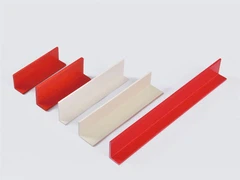
Another option is using SMC Insulation Rod in combination with other materials to create a more robust outdoor ceiling system.
In conclusion, while using SMC ceiling outdoors is possible, it comes with its own set of challenges. You need to carefully consider the weather conditions, temperature changes, and chemical exposure in your area. If you take the necessary precautions in terms of installation and maintenance, SMC ceiling can be a viable option for your outdoor space.
If you're interested in using SMC ceiling for your outdoor project or have any questions about our products, feel free to reach out to us. We're here to help you make the best decision for your needs.
References
- "Composite Materials Handbook" - A comprehensive guide on composite materials including SMC.
- Industry reports on the use of SMC in different environments.
- Technical data sheets from SMC ceiling manufacturers.
Send Inquiry