





How does BMC Group Material perform under high temperatures?
Jan 08, 2026
Leave a message
As a proud supplier of BMC Group Material, I am frequently asked about how our products perform under high temperatures. It's a crucial question, especially considering the wide - ranging applications where high - temperature resistance is of paramount importance. In this blog, I'll delve into the in - depth analysis of the performance of BMC Group Material in high - temperature environments, exploring its properties, real - world applications, and the science behind its heat resistance.
Understanding BMC Group Material
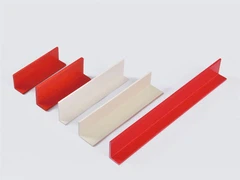
Before we jump into high - temperature performance, let's briefly touch on what BMC Group Material is. BMC, or Bulk Molding Compound, is a thermoset composite material. It is composed of a mixture of polymers, usually unsaturated polyester resin, along with various fillers, reinforcing fibers (such as glass fibers), and additives. The combination of these components gives BMC its unique set of properties, including mechanical strength, electrical insulation, and chemical resistance. You can find more information about BMC Group Material on our website at BMC Group Material.
High - Temperature Properties of BMC Group Material
One of the most remarkable features of BMC Group Material is its ability to withstand high temperatures. The thermosetting nature of the polyester resin in BMC makes it highly resistant to heat. Unlike thermoplastic materials that can soften and deform when exposed to high temperatures, BMC has a cross - linked molecular structure that maintains its shape and integrity even under extreme heat.
When exposed to elevated temperatures, BMC Group Material exhibits good dimensional stability. This means that it retains its original shape and size, which is critical in applications where precise dimensions are required. For example, in the production of BMC Electrical Casing, where the casing must fit precisely around electrical components, high - temperature dimensional stability ensures that the casing doesn't warp or expand, maintaining a proper seal and protection.
Another important high - temperature property of BMC is its heat deflection temperature (HDT). HDT is the temperature at which a material begins to deform under a specific load. BMC typically has a relatively high HDT, often ranging from 180°C to 240°C, depending on its formulation. This high HDT allows BMC to be used in applications where it may be exposed to continuous high - temperature environments without losing its mechanical properties.
Thermal Resistance and Flame Retardancy
BMC Group Material also possesses excellent thermal resistance and flame - retardant properties. The combination of fillers and additives in its formulation helps to slow down the transfer of heat through the material. In case of a fire, BMC can act as a self - extinguishing material, which is a significant advantage in safety - critical applications.
For instance, in BMC Motor Wiring Terminal, the risk of electrical fires is always present due to the high - current flowing through the terminals. The flame - retardant nature of BMC reduces the likelihood of a fire spreading, protecting the motor and other surrounding components. The thermal resistance of BMC also helps to prevent overheating of the wiring terminals, ensuring the long - term reliability of the electrical connections.
Real - World Applications in High - Temperature Environments
The high - temperature performance of BMC Group Material makes it suitable for a wide range of applications. In the automotive industry, BMC is used in engine components such as valve covers, intake manifolds, and electrical connectors. These parts are exposed to high temperatures generated by the engine, and BMC's ability to maintain its mechanical properties under heat is crucial for the proper functioning and durability of the vehicle.
In the electrical and electronics industry, BMC is widely used in switchgear, circuit breakers, and transformers. These devices generate heat during operation, and the high - temperature resistance of BMC ensures the safety and reliability of electrical systems. The electrical insulation properties of BMC also help to prevent short - circuits and electrical failures, even in high - temperature environments.
In the industrial machinery sector, BMC is used in components such as pump housings, compressor parts, and conveyor system components. These parts are often exposed to high - temperature processes, and BMC's dimensional stability and heat resistance make it an ideal choice for ensuring the smooth operation of industrial equipment.
The Science Behind High - Temperature Performance
The high - temperature performance of BMC Group Material can be attributed to its chemical and physical structure. The cross - linked polymer network in the thermoset resin provides a strong and stable framework. When heated, the cross - links prevent the polymer chains from sliding past each other, maintaining the material's shape and mechanical strength.
The fillers in BMC, such as calcium carbonate, glass fibers, and mica, also play an important role. They help to dissipate heat, reduce thermal expansion, and enhance the mechanical properties of the material. Glass fibers, in particular, provide reinforcement, increasing the material's strength and stiffness at high temperatures.
Testing and Quality Assurance
To ensure the high - temperature performance of our BMC Group Material, we conduct rigorous testing. We use advanced testing equipment to measure properties such as HDT, thermal conductivity, and flame spread. Our products are also tested in real - life simulation environments to replicate the high - temperature conditions they may encounter in actual applications.


We follow international standards and best practices in our testing procedures. This ensures that our BMC Group Material meets or exceeds the requirements of our customers. Our commitment to quality assurance gives our customers confidence in the performance of our products, especially in high - temperature environments.
Conclusion and Call to Action
In conclusion, BMC Group Material offers outstanding performance under high temperatures. Its dimensional stability, heat deflection temperature, thermal resistance, and flame - retardant properties make it a top choice for a wide range of applications in industries such as automotive, electrical, and industrial machinery.
If you are in need of high - quality BMC Group Material for your high - temperature applications, we invite you to contact us for a procurement discussion. Our team of experts is ready to assist you in selecting the right material for your specific needs. We can provide samples for testing and offer technical support throughout the procurement process.
References
- "Handbook of Thermoset Plastics" by Sidney H. Goodman
- "Composite Materials: Design and Applications" by Alan Kelly and Anthony T. Everett
- Industry reports on high - temperature resistant materials in automotive, electrical, and industrial sectors
Send Inquiry