




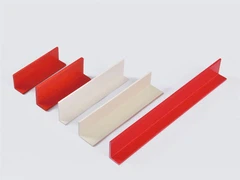

What is the heat - resistance of BMC Electrical Casing?
Dec 26, 2025
Leave a message
As a supplier of BMC Electrical Casing, I often encounter inquiries from customers about the heat - resistance of our products. Heat resistance is a critical property, especially in electrical applications where components can generate significant amounts of heat. In this blog, I will delve into the heat - resistance characteristics of BMC Electrical Casing, explaining what it means, why it matters, and how our products perform in this regard.
What is Heat Resistance?
Heat resistance refers to a material's ability to withstand high temperatures without undergoing significant physical or chemical changes. For BMC Electrical Casing, this means maintaining its structural integrity, electrical insulation properties, and other essential characteristics even when exposed to elevated temperatures. When an electrical device operates, it produces heat due to the flow of electric current through its components. If the casing around these components cannot handle the heat, it may warp, crack, or lose its insulating capabilities, which can lead to safety hazards such as short - circuits, electrical fires, or electric shocks.
The Importance of Heat Resistance in BMC Electrical Casing
Safety
Safety is the primary concern in electrical applications. A heat - resistant BMC Electrical Casing ensures that the electrical components inside are protected from external heat sources and that the casing itself does not become a fire hazard. For example, in high - power electrical motors, the heat generated during operation can be substantial. A casing with poor heat resistance may melt or catch fire, endangering the entire system and the people around it.
Durability
Heat can cause materials to degrade over time. A heat - resistant BMC Electrical Casing can withstand the repeated heating and cooling cycles that occur during normal operation, extending its lifespan. This reduces the need for frequent replacements, saving both time and money for the end - users.
Performance
Electrical insulation is a key function of BMC Electrical Casing. High temperatures can reduce the insulating properties of materials, leading to electrical leakage. A heat - resistant casing maintains its insulation performance even at elevated temperatures, ensuring the proper functioning of the electrical device.
Heat - Resistance Mechanisms in BMC Electrical Casing
BMC (Bulk Molding Compound) is a composite material made from a mixture of thermosetting resins, fillers, fibers, and other additives. The heat - resistance of BMC Electrical Casing is mainly attributed to the following factors:
Thermosetting Resins
The thermosetting resins used in BMC, such as unsaturated polyester or epoxy resins, have excellent heat - resistance properties. Once cured, these resins form a three - dimensional cross - linked structure that can withstand high temperatures. When heated, the cross - linked structure prevents the resin from melting or flowing, maintaining the shape and integrity of the casing.
Fillers
Fillers are added to BMC to improve its mechanical and thermal properties. Common fillers include calcium carbonate, silica, and alumina. These fillers have high thermal conductivity and can dissipate heat more effectively. They also help to reduce the coefficient of thermal expansion of the BMC, minimizing the risk of cracking due to thermal stress.


Fibers
Fibers, such as glass fibers, are often incorporated into BMC to enhance its strength and heat - resistance. Glass fibers have a high melting point and can reinforce the BMC matrix, preventing it from deforming under high temperatures. The fibers also act as a barrier to heat transfer, reducing the rate at which heat penetrates the casing.
Heat - Resistance Testing of BMC Electrical Casing
To ensure the quality and heat - resistance of our BMC Electrical Casing, we conduct a series of rigorous tests. These tests simulate real - world operating conditions and measure the performance of the casing under different temperature scenarios.
Thermal Aging Test
In the thermal aging test, the BMC Electrical Casing samples are placed in an oven at a constant high temperature for a specified period. After the aging process, the samples are examined for changes in appearance, such as discoloration, cracking, or warping. Mechanical and electrical tests are also conducted to evaluate the degradation of the material properties.
Thermal Shock Test
The thermal shock test involves subjecting the samples to rapid temperature changes. The samples are alternately immersed in a high - temperature bath and a low - temperature bath for a certain number of cycles. This test simulates the sudden temperature changes that may occur during the operation of electrical devices. After the test, the samples are inspected for any signs of damage or failure.
Flammability Test
The flammability test measures the ability of the BMC Electrical Casing to resist ignition and combustion. The samples are exposed to a flame source for a specific time, and the burning behavior, such as the rate of flame spread and the time to self - extinguish, is recorded. Our BMC Electrical Casing meets the relevant flammability standards, ensuring its safety in electrical applications.
Our BMC Electrical Casing's Heat - Resistance Performance
Our BMC Electrical Casing is designed to offer exceptional heat - resistance performance. It can withstand continuous operating temperatures of up to [specific temperature] degrees Celsius, depending on the specific formulation and application requirements. In addition, it has a high thermal stability, which means that its properties do not change significantly over a wide temperature range.
Our products have been widely used in various electrical applications, including [mention some applications], where they have proven their reliability and durability. Customers can trust our BMC Electrical Casing to provide long - term protection for their electrical components, even in harsh operating environments.
Conclusion
The heat - resistance of BMC Electrical Casing is a crucial factor in ensuring the safety, durability, and performance of electrical devices. As a supplier, we are committed to providing high - quality BMC Electrical Casing with excellent heat - resistance properties. Our products are rigorously tested to meet the highest standards, and we continuously invest in research and development to improve their performance.
If you are interested in our BMC Electrical Casing, BMC Group Material, or BMC Motor Wiring Terminal, please feel free to contact us for more information and to discuss your specific requirements. We look forward to partnering with you to provide the best solutions for your electrical applications.
References
- "Handbook of Composites" by Luigi Nicolais and Antonio Borzacchiello
- "Thermosetting Polymers: Structure, Properties, and Applications" by S. S. Labana
Send Inquiry