




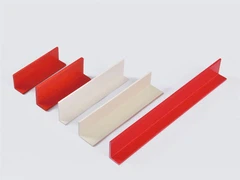

What types of initiators are used in BMC Group Material?
Jan 19, 2026
Leave a message
Hey there! I'm a supplier of BMC Group Material, and today I'm super excited to dive into the world of initiators used in this amazing material. BMC, or Bulk Molding Compound, is a versatile composite that finds its applications in a variety of industries, from electrical to automotive. And the initiators play a crucial role in making BMC work its magic.
First off, let's understand what initiators are. In the context of BMC Group Material, initiators are substances that start the chemical reaction known as polymerization. This reaction is what turns the raw materials in BMC into a solid, durable product. Without initiators, the BMC wouldn't cure properly, and we'd end up with a mushy mess instead of high - quality components.
One of the most commonly used types of initiators in BMC Group Material is organic peroxides. Organic peroxides are a family of compounds that contain an oxygen - oxygen single bond. This bond is relatively weak, and when it breaks, it generates free radicals. These free radicals then react with the monomers in the BMC, kicking off the polymerization process.
There are different kinds of organic peroxides used, and each has its own set of characteristics. For example, benzoyl peroxide is a well - known organic peroxide used in BMC. It's stable at room temperature, which makes it easy to handle and store. When heated during the molding process, benzoyl peroxide decomposes, releasing free radicals that trigger the curing of the BMC. This type of initiator is often used in applications where a relatively slow curing rate is required.
Another type of organic peroxide is dicumyl peroxide. It has a higher decomposition temperature compared to benzoyl peroxide. This means that it can withstand higher processing temperatures without decomposing prematurely. Dicumyl peroxide is great for applications where we need a faster curing rate, like in the production of BMC Electrical Casing. Electrical casings need to be formed quickly and efficiently, and dicumyl peroxide helps us achieve that.
In addition to organic peroxides, azo compounds are also used as initiators in BMC Group Material. Azo compounds contain a nitrogen - nitrogen double bond. When heated, this bond breaks, generating free radicals and starting the polymerization reaction. One advantage of azo compounds is that they can be designed to decompose at a wide range of temperatures. This gives us more flexibility in the molding process. For instance, we can use azo compounds to control the curing time and temperature according to the specific requirements of different BMC products, such as BMC Motor Wiring Terminal.
The choice of initiator also depends on other factors in the BMC formulation. For example, the type of resin used in the BMC can influence the initiator selection. Different resins have different reactivity levels, and we need to choose an initiator that can work well with the specific resin. If the resin is highly reactive, we might need an initiator that decomposes at a lower temperature to avoid over - curing. On the other hand, if the resin is less reactive, a high - temperature initiator might be required to ensure proper curing.
The amount of initiator used is also crucial. Too little initiator, and the BMC won't cure completely. The final product might be weak and have poor mechanical properties. Too much initiator, and the reaction can be too fast, leading to issues like uneven curing or excessive heat generation. We usually conduct a lot of tests to determine the optimal amount of initiator for each BMC formulation.
When it comes to the quality of the initiators, we always make sure to source them from reliable suppliers. High - quality initiators ensure consistent curing and better performance of the BMC Group Material. As a BMC Group Material supplier, we understand the importance of using the right initiators in the manufacturing process. This is why we keep up with the latest research and developments in initiator technology to offer the best products to our customers.
Now, let's talk about the impact of initiators on the end - use applications of BMC. In the electrical industry, where BMC Group Material is widely used, the right initiator can help ensure good electrical insulation properties. The proper curing of the BMC thanks to the initiator prevents the formation of voids or defects that could compromise the electrical performance.
In the automotive industry, initiators are important for achieving the mechanical strength and heat resistance required for automotive components. By using the correct initiator, we can produce BMC parts that can withstand the harsh conditions under the hood of a car, such as high temperatures and vibrations.
If you're in the market for high - quality BMC Group Material, I'd love to have a chat with you. Whether you're working on a small - scale project or a large - scale industrial production, we have the expertise and the right materials to meet your needs. We can discuss the specific requirements of your project and recommend the best initiator and BMC formulation for you.
In summary, initiators are a key component in BMC Group Material. Organic peroxides and azo compounds are the main types of initiators used, each with its own unique properties and advantages. The choice of initiator depends on factors like the resin type, processing temperature, and the end - use application of the BMC. As a supplier, we're dedicated to providing top - notch BMC products with the right initiators to ensure the best performance. So, if you're interested in purchasing BMC Group Material, don't hesitate to reach out for a procurement discussion.


References:
- "Handbook of Plastics, Elastomers and Composites" by Charles A. Harper
- "Polymer Science and Technology" by Donald R. Paul and Linda H. Sperling
Send Inquiry