




What kind of nails are suitable for SMC Insulation Board?
Dec 17, 2025
Leave a message
When it comes to working with SMC (Sheet Molding Compound) Insulation Board, one of the crucial aspects that often gets overlooked is the choice of nails. As an SMC Insulation Board supplier, I understand the importance of using the right nails to ensure the longevity, stability, and performance of the insulation board installation. In this blog post, I will delve into the types of nails that are suitable for SMC Insulation Board, taking into account various factors such as the board's properties, installation requirements, and environmental conditions.
Understanding SMC Insulation Board
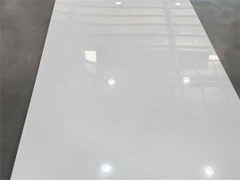
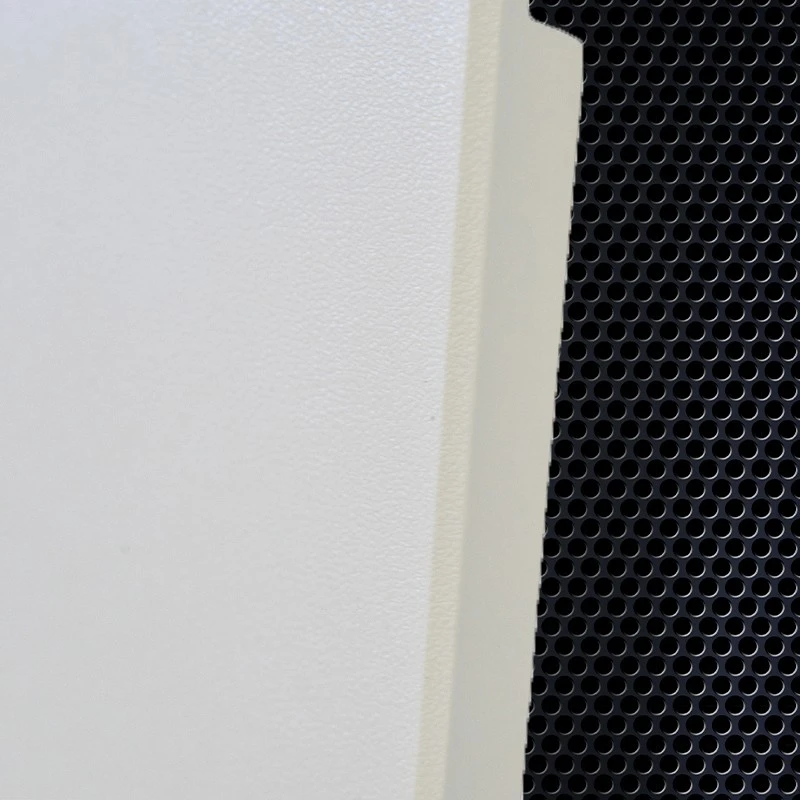
Before we discuss the suitable nails, it's essential to understand the characteristics of SMC Insulation Board. SMC is a composite material made from a mixture of thermosetting resin, glass fibers, and fillers. It offers excellent insulation properties, high strength, corrosion resistance, and fire retardancy. These properties make SMC Insulation Board a popular choice for various applications, including Fireproof Ceiling, electrical enclosures, and building insulation.

Factors to Consider When Choosing Nails
Several factors need to be considered when selecting nails for SMC Insulation Board:
1. Material Compatibility
The nails should be made of a material that is compatible with SMC. Corrosion-resistant materials such as stainless steel or galvanized steel are ideal, as they prevent rusting and ensure the long-term integrity of the installation. Rust can cause the nails to weaken over time, leading to loosening of the insulation board and potential safety hazards.
2. Nail Size
The size of the nails is crucial. They should be long enough to penetrate the SMC Insulation Board and the underlying structure securely. However, if the nails are too long, they may protrude through the other side of the board, causing damage or creating a safety risk. A general rule of thumb is to choose nails that are at least 1.5 to 2 times the thickness of the SMC Insulation Board.
3. Head Type
The head type of the nail can also affect the installation. Flat heads are commonly used as they provide a large bearing surface, which helps to distribute the load evenly and prevent the nail from pulling through the board. Countersunk heads are another option, especially when a flush finish is required.
4. Shank Design
The shank design of the nail can impact its holding power. Nails with a smooth shank are easier to drive but may have less holding power compared to nails with a threaded or ringed shank. Threaded or ringed shank nails grip the SMC Insulation Board more firmly, reducing the risk of the board loosening over time.
Suitable Types of Nails for SMC Insulation Board
1. Stainless Steel Nails
Stainless steel nails are a popular choice for SMC Insulation Board installations. They offer excellent corrosion resistance, ensuring that the nails remain strong and secure even in harsh environmental conditions. Stainless steel nails are also non-magnetic, which can be beneficial in applications where magnetic interference needs to be avoided. Additionally, they have good strength and durability, making them suitable for long-term use.
2. Galvanized Steel Nails
Galvanized steel nails are another option. They are coated with a layer of zinc, which provides protection against corrosion. Galvanized nails are more affordable than stainless steel nails, making them a cost-effective choice for many applications. However, they may not be as corrosion-resistant as stainless steel nails in extremely harsh environments.
3. Screws
Screws can also be used to secure SMC Insulation Board. They offer better holding power compared to nails, especially in applications where there is a risk of vibration or movement. Screws are available in various types, including wood screws, machine screws, and self-tapping screws. Self-tapping screws are particularly useful as they can create their own threads in the SMC Insulation Board, eliminating the need for pre-drilling.
Application-Specific Considerations
The choice of nails may also depend on the specific application of the SMC Insulation Board. Here are some examples:
1. Fireproof Ceiling Installation
In fireproof ceiling installations, the use of corrosion-resistant nails is crucial. Stainless steel nails are often preferred as they can withstand high temperatures and prevent the spread of fire through rusted or weakened nails. Additionally, the nails should be long enough to penetrate the ceiling structure securely to ensure the stability of the fireproof ceiling.
2. SMC Insulation Board Sheet Insulation Resistance Testing
During the testing of SMC Insulation Board sheet insulation resistance, it's important to use nails that do not affect the electrical properties of the board. Non-conductive nails, such as those made of nylon or plastic, may be used in some cases to avoid any interference with the insulation resistance measurement.
3. SMC Inspection Well Elevation Joint Installation
For SMC inspection well elevation joint installation, nails with good holding power are required to ensure the joint remains sealed and watertight. Threaded or ringed shank nails are often a better choice as they can grip the SMC material more firmly, preventing water leakage and maintaining the integrity of the inspection well.
Installation Tips
Here are some tips to ensure a successful installation of SMC Insulation Board using the right nails:
- Pre-drilling: In some cases, pre-drilling holes in the SMC Insulation Board can make it easier to drive the nails and prevent the board from cracking. Use a drill bit that is slightly smaller than the diameter of the nail.
- Spacing: Follow the manufacturer's recommendations for nail spacing. Proper spacing ensures that the board is evenly supported and reduces the risk of warping or sagging.
- Driving Technique: Use a hammer or nail gun to drive the nails straight into the board. Avoid over-driving the nails, as this can damage the board. If using a nail gun, adjust the depth setting to ensure the nails are driven to the appropriate depth.
Conclusion
Choosing the right nails for SMC Insulation Board is essential for a successful installation. By considering factors such as material compatibility, nail size, head type, and shank design, you can ensure that the insulation board is securely fastened and performs optimally. Whether you are installing a Fireproof Ceiling, testing SMC Insulation Board Sheet Insulation Resistance, or working on an SMC Inspection Well Elevation Joint, the right nails will make a significant difference.
As an SMC Insulation Board supplier, we are committed to providing high-quality products and expert advice to our customers. If you have any questions about the suitable nails for your SMC Insulation Board project or need assistance with your purchase, please feel free to contact us for a detailed discussion. We look forward to working with you to meet your insulation needs.
References
- "Composite Materials Handbook," ASM International.
- "Sheet Molding Compound (SMC) Technology," Society of Plastics Engineers.
- Manufacturer's guidelines for SMC Insulation Board.
Send Inquiry