




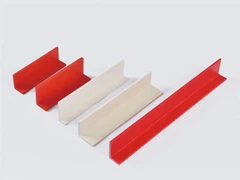

How does the temperature affect the performance of BMC Electrical Casing?
Dec 18, 2025
Leave a message
As a supplier of BMC Electrical Casing, I've witnessed firsthand how temperature can significantly influence the performance of these crucial components. In this blog, I'll delve into the various ways temperature affects BMC Electrical Casing and why understanding these impacts is vital for ensuring optimal performance in electrical systems.
Thermal Expansion and Contraction
One of the most immediate effects of temperature on BMC Electrical Casing is thermal expansion and contraction. BMC, or Bulk Molding Compound, is a composite material typically made up of polyester resin, glass fibers, fillers, and various additives. Like most materials, BMC expands when heated and contracts when cooled.
When the temperature rises, the BMC Electrical Casing expands. This expansion can put stress on the casing itself and the components it houses. If the expansion is not properly accounted for, it can lead to issues such as cracking or deformation of the casing. For example, in high - temperature environments like industrial settings near furnaces or in outdoor installations under direct sunlight, the casing may expand beyond its design limits. This can compromise the integrity of the casing, potentially exposing the electrical components inside to environmental factors such as dust, moisture, and physical damage.
Conversely, when the temperature drops, the BMC Electrical Casing contracts. If the contraction is too severe, it can cause the casing to loosen its grip on the electrical components or create gaps between different parts of the casing. These gaps can allow dust and moisture to enter, which can lead to electrical shorts, corrosion, and reduced component lifespan. For instance, in cold storage facilities or outdoor locations during winter, the contraction of the BMC Electrical Casing can pose significant challenges to the proper functioning of the electrical system.
Impact on Electrical Properties
Temperature also has a profound impact on the electrical properties of BMC Electrical Casing. BMC is known for its excellent electrical insulation properties, which are crucial for preventing electrical leakage and ensuring the safety of electrical systems. However, temperature can alter these properties.
At high temperatures, the electrical resistivity of BMC may decrease. This means that the casing becomes more conductive, increasing the risk of electrical leakage. Electrical leakage not only wastes energy but can also pose a serious safety hazard, such as electric shocks or fires. In addition, high temperatures can accelerate the aging process of the BMC material, leading to a further degradation of its electrical insulation properties over time.
On the other hand, low temperatures can make the BMC material more brittle. This brittleness can increase the likelihood of cracks forming in the casing when it is subjected to mechanical stress. Once cracks appear, the electrical insulation properties of the casing are compromised, as moisture and contaminants can enter through these cracks and reach the electrical components.
Chemical and Physical Changes
Temperature can trigger chemical and physical changes in BMC Electrical Casing. At elevated temperatures, the polyester resin in the BMC may undergo thermal degradation. This degradation can lead to the release of volatile organic compounds (VOCs), which not only contribute to air pollution but can also affect the mechanical and electrical properties of the casing. The degradation of the resin can also cause the casing to lose its strength and stiffness, making it more susceptible to damage.
In cold temperatures, the BMC material may experience phase transitions. For example, some of the additives in the BMC may solidify or change their state, which can affect the overall structure and performance of the casing. These phase transitions can lead to changes in the material's density, hardness, and flexibility, all of which can impact the casing's ability to protect the electrical components.
Performance in Different Temperature Ranges
To better understand the impact of temperature on BMC Electrical Casing, it's important to consider its performance in different temperature ranges.


- Low - Temperature Range (-40°C to 0°C): In this range, the BMC Electrical Casing becomes more brittle. As mentioned earlier, this brittleness increases the risk of cracking when the casing is exposed to mechanical stress, such as vibration or impact. The contraction of the casing can also cause fitment issues, leading to gaps and potential ingress of moisture and dust. However, the electrical insulation properties generally remain relatively stable, although the material's resistance to electrical breakdown may be slightly reduced.
- Moderate - Temperature Range (0°C to 60°C): This is the ideal temperature range for most BMC Electrical Casing applications. The material maintains its mechanical and electrical properties well within this range. The expansion and contraction are within acceptable limits, and the risk of chemical degradation is relatively low. The casing provides reliable protection for the electrical components, and its insulation properties ensure safe and efficient operation of the electrical system.
- High - Temperature Range (60°C to 120°C): At these temperatures, the BMC Electrical Casing starts to experience significant changes. The thermal expansion can cause stress on the casing and its components, and the electrical resistivity may decrease. Chemical degradation of the resin becomes more pronounced, leading to a loss of strength and stiffness. The casing may also start to emit VOCs, which can be a concern in enclosed spaces.
Mitigating the Impact of Temperature
As a supplier of BMC Electrical Casing, we are aware of these temperature - related challenges and have developed several strategies to mitigate their impact.
- Material Selection: We carefully select the raw materials used in the BMC to enhance its temperature resistance. For example, we use high - quality polyester resins that have better thermal stability and can withstand higher temperatures without significant degradation. We also add special additives to the BMC to improve its low - temperature flexibility and reduce the risk of cracking.
- Design Optimization: Our engineering team designs the BMC Electrical Casing to accommodate thermal expansion and contraction. We incorporate expansion joints and flexible seals in the design to allow for the movement of the casing without causing damage. The design also takes into account the potential for temperature - induced stresses, ensuring that the casing can withstand these stresses without compromising its integrity.
- Testing and Quality Control: We conduct extensive temperature testing on our BMC Electrical Casing to ensure that it meets the required performance standards. We test the casing in different temperature environments, from extreme cold to high heat, to evaluate its mechanical, electrical, and chemical properties. This rigorous testing allows us to identify any potential issues and make necessary improvements to the product.
Conclusion
Temperature plays a crucial role in the performance of BMC Electrical Casing. From thermal expansion and contraction to changes in electrical properties and chemical degradation, temperature can have a significant impact on the casing's ability to protect electrical components and ensure the safe and efficient operation of electrical systems. As a supplier, we are committed to providing high - quality BMC Electrical Casing that can withstand the challenges posed by different temperature conditions.
If you are in the market for reliable BMC Electrical Casing, BMC Motor Wiring Terminal, or BMC Group Material, we invite you to contact us for a detailed discussion about your specific requirements. Our team of experts is ready to assist you in finding the best solutions for your electrical applications.
References
- "Handbook of Composite Materials" by John Summerscales
- "Electrical Insulation Materials: Properties and Applications" by Stephen F. Bartkus
- "Thermal Analysis of Polymers: Fundamentals and Applications" by Joseph M. differential scanning calorimetry
Send Inquiry