




What is the scratch resistance of GRP Ceiling?
Jun 20, 2025
Leave a message
As a GRP ceiling supplier, I've encountered numerous inquiries regarding the scratch resistance of GRP ceilings. This property is crucial as it directly impacts the ceiling's longevity, aesthetic appeal, and overall performance. In this blog, I'll delve into the scratch resistance of GRP ceilings, exploring the factors that influence it, testing methods, and practical applications.
What is GRP Ceiling?
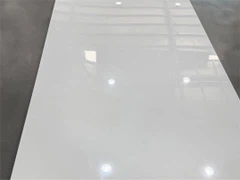
GRP, or Glass Reinforced Plastic, is a composite material made of a plastic matrix reinforced by fine glass fibers. This combination results in a material that is lightweight, strong, and highly versatile. GRP ceilings are commonly used in various commercial and residential settings due to their durability, ease of installation, and aesthetic flexibility.
Factors Affecting Scratch Resistance
Several factors influence the scratch resistance of GRP ceilings. Understanding these factors can help in making informed decisions when selecting a GRP ceiling for a specific application.
Surface Finish
The surface finish of a GRP ceiling plays a significant role in its scratch resistance. A smooth, high - gloss finish may be more prone to showing scratches as they are more visible on a reflective surface. On the other hand, a matte finish can hide minor scratches better. Some manufacturers offer specialized surface treatments that enhance scratch resistance, such as applying a hard - coat layer on the surface of the GRP ceiling.
Reinforcement Type and Density
The type and density of the glass fibers used in the GRP ceiling can also affect its scratch resistance. Higher - density glass fiber reinforcement generally results in a stronger and more scratch - resistant material. Additionally, the orientation of the fibers can influence how the material responds to scratching forces. For example, a well - oriented fiber structure can distribute the stress more evenly, reducing the likelihood of deep scratches.
Resin Quality
The resin used in the GRP ceiling is another crucial factor. High - quality resins with good chemical and mechanical properties can enhance the scratch resistance of the material. Resins with high cross - linking density are more resistant to abrasion and scratching. Moreover, some resins are formulated to have self - healing properties, which can repair minor scratches over time.
Testing Scratch Resistance
To accurately assess the scratch resistance of GRP ceilings, several testing methods are commonly used.
Taber Abrasion Test
The Taber Abrasion Test is a widely recognized method for measuring the abrasion resistance of materials, including GRP ceilings. In this test, a sample of the GRP ceiling is subjected to a rotating abrasive wheel under a specified load. The weight loss of the sample after a certain number of rotations is measured, and the results are used to evaluate the material's resistance to scratching and abrasion.
Pencil Hardness Test
The Pencil Hardness Test is a simple and quick way to estimate the scratch resistance of a material's surface. In this test, pencils of different hardness levels are used to scratch the surface of the GRP ceiling at a specific angle and pressure. The hardness of the pencil that first leaves a visible scratch on the surface is recorded as the pencil hardness of the material.
Scratch Adhesion Test
The Scratch Adhesion Test is used to evaluate the adhesion of the surface layer of the GRP ceiling. A scratch is made on the surface, and then the area around the scratch is examined to see if the surface layer delaminates or peels off. Good adhesion is essential for maintaining the scratch resistance of the ceiling over time.
Practical Applications and Scratch Resistance Requirements
The scratch resistance requirements of GRP ceilings vary depending on the application.
Commercial Buildings
In commercial buildings such as offices, shopping malls, and hotels, GRP ceilings are often exposed to high levels of traffic and potential contact with various objects. Therefore, high scratch resistance is crucial to maintain the ceiling's appearance and functionality over time. For example, in a shopping mall, where there are constant movements of people, trolleys, and maintenance equipment, a GRP ceiling with excellent scratch resistance can withstand the wear and tear and keep its aesthetic appeal.
Residential Buildings
In residential buildings, the scratch resistance requirements may be relatively lower compared to commercial buildings. However, in areas such as kitchens and hallways, where there is a higher chance of accidental contact, a scratch - resistant GRP ceiling is still preferred. It can ensure that the ceiling looks good for a longer period without the need for frequent replacement or repair.
Industrial Settings
In industrial settings, GRP ceilings need to be extremely scratch - resistant as they may be exposed to harsh chemicals, heavy machinery, and abrasive materials. For example, in a manufacturing plant, the ceiling may come into contact with tools, equipment, and flying debris. A scratch - resistant GRP ceiling can protect the underlying structure and maintain its integrity in such challenging environments.
Comparison with Other Ceiling Materials
When considering ceiling materials, it's important to compare the scratch resistance of GRP ceilings with other common materials.
Gypsum Ceilings
Gypsum ceilings are relatively soft and prone to scratches. They can be easily damaged by minor impacts or abrasion. In contrast, GRP ceilings are generally more scratch - resistant due to their composite structure and the use of glass fiber reinforcement.


Metal Ceilings
Metal ceilings can have good scratch resistance, especially those made of stainless steel or aluminum with protective coatings. However, they may be more expensive than GRP ceilings. GRP ceilings offer a cost - effective alternative with comparable scratch resistance in many applications.
PVC Ceilings
PVC ceilings are lightweight and easy to install, but they may not have the same level of scratch resistance as GRP ceilings. PVC can be scratched relatively easily, especially by sharp objects. GRP ceilings provide a more durable option in terms of scratch resistance.
Maintaining Scratch Resistance
To maintain the scratch resistance of GRP ceilings, proper maintenance is essential.
Regular Cleaning
Regular cleaning using mild detergents and soft cloths can prevent the accumulation of dirt and debris that can act as abrasives and cause scratches. Avoid using harsh chemicals or abrasive cleaners as they can damage the surface of the GRP ceiling.
Avoiding Sharp Objects
In areas where GRP ceilings are installed, it's important to avoid contact with sharp objects. When moving furniture or equipment, take precautions to prevent them from hitting or scratching the ceiling.
Prompt Repair of Minor Scratches
If minor scratches do occur, they should be repaired promptly. Some manufacturers offer repair kits that can be used to fill in and smooth out minor scratches. This can prevent the scratches from getting worse and maintain the overall appearance and scratch resistance of the ceiling.
Conclusion
The scratch resistance of GRP ceilings is a critical property that depends on factors such as surface finish, reinforcement type and density, and resin quality. Through proper testing methods, we can accurately assess the scratch resistance of GRP ceilings. They offer a great alternative to other ceiling materials in terms of scratch resistance, especially in various commercial, residential, and industrial applications.
If you're in the market for a ceiling solution with excellent scratch resistance, our GRP ceilings are a top choice. We also offer other high - quality ceiling products such as Soundproof Ceiling Panel, GFK Antibacterial Board, and Flame Retardant Ceiling. If you have any questions or are interested in purchasing our products, please feel free to contact us for a detailed discussion and to start a procurement negotiation.
References
- ASTM International. "Standard Test Method for Abrasion Resistance of Organic Coatings by the Taber Abraser." ASTM D4060 - 19.
- ISO 1518 - 1:2019. "Paints and varnishes — Determination of resistance to abrasion — Part 1: Rotating abrasive - paper method."
- EN ISO 2409:2013. "Paints and varnishes — Cross - cut test."
Send Inquiry