




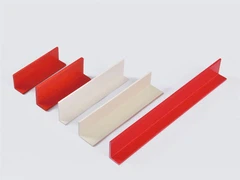

How is the dimensional stability of BMC Group Material?
Jan 13, 2026
Leave a message
As a supplier of BMC Group Material, I've witnessed firsthand the growing importance of dimensional stability in various industries. In this blog, I'll delve into the intricacies of the dimensional stability of BMC Group Material, exploring its factors, implications, and real - world applications.
Understanding BMC Group Material
BMC Group Material, or Bulk Molding Compound, is a composite material made up of thermosetting resin, chopped glass fibers, fillers, and various additives. It is widely used in industries such as automotive, electrical, and consumer goods due to its excellent mechanical properties, chemical resistance, and ease of processing. You can find more information about BMC Group Material.
What is Dimensional Stability?
Dimensional stability refers to the ability of a material to maintain its shape and size under different environmental conditions, including temperature changes, humidity variations, and mechanical stress. For BMC Group Material, dimensional stability is crucial as it directly impacts the performance and reliability of the final products.
Factors Affecting the Dimensional Stability of BMC Group Material
1. Resin System
The type of resin used in BMC Group Material plays a significant role in its dimensional stability. Thermosetting resins, such as unsaturated polyester and epoxy, are commonly used in BMC. These resins cross - link during the curing process, forming a rigid three - dimensional network. Different resin formulations have different coefficients of thermal expansion (CTE). A lower CTE indicates better dimensional stability as the material will expand and contract less with temperature changes.
2. Fiber Content and Orientation
Glass fibers are added to BMC Group Material to enhance its mechanical properties. The fiber content and orientation can affect dimensional stability. Higher fiber content generally leads to better dimensional stability because glass fibers have a lower CTE compared to the resin matrix. Additionally, a more uniform fiber orientation can help to minimize anisotropic behavior, where the material expands or contracts differently in different directions.
3. Filler Type and Loading
Fillers are used in BMC Group Material to reduce costs, improve certain properties, and control shrinkage. Common fillers include calcium carbonate, talc, and mica. The type and loading of fillers can influence the dimensional stability. For example, some fillers can act as nucleating agents, promoting a more uniform curing process and reducing shrinkage. However, excessive filler loading can also lead to brittleness and potential cracking, which may affect dimensional stability.
4. Processing Conditions
The processing conditions during the molding of BMC Group Material, such as temperature, pressure, and curing time, can have a significant impact on its dimensional stability. Improper processing can result in incomplete curing, which may lead to post - molding shrinkage. Over - curing, on the other hand, can cause internal stresses in the material, leading to warping and distortion.
Implications of Dimensional Stability in Different Applications
1. Automotive Industry
In the automotive industry, BMC Group Material is used for various components, such as engine covers, valve covers, and electrical connectors. Dimensional stability is crucial in these applications to ensure proper fit and function. For example, an engine cover with poor dimensional stability may not seal properly, leading to oil leaks. A well - dimensioned electrical connector is essential for reliable electrical connections.
2. Electrical Industry
In the electrical industry, BMC Motor Wiring Terminal and BMC Electrical Casing are common applications of BMC Group Material. Dimensional stability is vital to ensure proper insulation and electrical performance. A wiring terminal that changes dimensions due to temperature or humidity changes may result in loose connections, which can lead to electrical failures or even safety hazards.
3. Consumer Goods
In consumer goods, BMC Group Material is used for products such as kitchen appliances and bathroom fixtures. Dimensional stability is important for aesthetic reasons as well as functionality. A bathroom fixture that warps over time due to poor dimensional stability will not only look unappealing but may also develop leaks.
Measuring Dimensional Stability
There are several methods to measure the dimensional stability of BMC Group Material. One common method is to measure the change in dimensions of a sample under different temperature and humidity conditions. The coefficient of thermal expansion (CTE) can be determined by measuring the change in length of a sample as the temperature is increased or decreased. Another method is to measure the shrinkage of the material during the molding process and after post - molding.
Improving Dimensional Stability
To improve the dimensional stability of BMC Group Material, several strategies can be employed:
1. Optimize Resin Formulation
Selecting the right resin with a low CTE and appropriate cross - linking characteristics can significantly improve dimensional stability. Resin manufacturers are constantly developing new formulations to meet the demanding requirements of different applications.


2. Control Fiber and Filler Content
Balancing the fiber and filler content is crucial. Ensuring a sufficient fiber content and using the right type and amount of fillers can enhance dimensional stability while maintaining other important properties.
3. Refine Processing Parameters
Fine - tuning the processing conditions, such as temperature, pressure, and curing time, can help to achieve complete curing and minimize internal stresses. Process optimization may require some trial - and - error, but it is essential for consistent dimensional stability.
Conclusion
The dimensional stability of BMC Group Material is a complex but critical property that affects its performance in a wide range of applications. As a supplier, I understand the importance of providing high - quality BMC Group Material with excellent dimensional stability. By carefully controlling the resin system, fiber and filler content, and processing conditions, we can ensure that our customers receive products that meet their strict requirements.
If you are in need of high - quality BMC Group Material with outstanding dimensional stability for your specific application, I encourage you to reach out to us for a detailed discussion. We are committed to working with you to provide the best solutions and support your business needs.
References
- "Handbook of Composites" by L. J. Broutman and R. H. Krock
- "Plastics Materials" by J. A. Brydson
Send Inquiry