




What is the fire rating of a flame retardant ceiling?
Sep 25, 2025
Leave a message
As a supplier of Flame Retardant Ceilings, I often encounter inquiries about the fire rating of these products. Understanding the fire rating is crucial for customers, especially those in commercial, industrial, and even some residential settings where fire safety is a top priority. In this blog, I'll delve into what the fire rating of a flame retardant ceiling means, how it is determined, and why it matters.
What is a Fire Rating?
A fire rating is a standardized measure that indicates a material's ability to resist the spread of fire. It provides valuable information about how a product will perform in the event of a fire, including its ignition resistance, flame spread rate, and heat release. For flame retardant ceilings, the fire rating helps building owners, architects, and contractors make informed decisions about which products are suitable for their specific applications.
There are several different fire rating systems used around the world, each with its own set of criteria and testing methods. In the United States, the most commonly used system is the ASTM E84 test, also known as the Steiner Tunnel Test. This test measures the surface burning characteristics of a material by exposing it to a controlled flame in a tunnel and evaluating the flame spread and smoke development. The results are expressed as a Flame Spread Index (FSI) and a Smoke Developed Index (SDI).
In Europe, the EN 13501-1 standard is widely used. This standard classifies building products based on their reaction to fire, ranging from Class A1 (non-combustible) to Class F (highly combustible). The classification takes into account factors such as ignition, flame spread, heat release, and the production of burning droplets.
Fire Rating of Flame Retardant Ceilings
Flame retardant ceilings are designed to have a high level of fire resistance, which means they are less likely to ignite and will slow down the spread of fire in a building. The specific fire rating of a flame retardant ceiling depends on several factors, including the materials used, the manufacturing process, and the thickness of the ceiling panels.
Most flame retardant ceilings on the market today are made from materials such as fiberglass, mineral wool, or gypsum, which have inherent fire-resistant properties. These materials are often treated with fire retardant chemicals to further enhance their performance. The manufacturing process also plays a role in the fire rating of the ceiling. For example, ceiling panels that are tightly sealed and have no gaps or joints are less likely to allow fire and smoke to spread.
The thickness of the ceiling panels can also affect the fire rating. Thicker panels generally have a higher fire resistance than thinner panels, as they can provide more insulation and protection against heat and flames. However, it's important to note that the fire rating is not solely determined by the thickness of the panel, but also by the materials and construction methods used.
Why Fire Rating Matters
The fire rating of a flame retardant ceiling is important for several reasons. First and foremost, it helps to protect the lives and property of building occupants. In the event of a fire, a ceiling with a high fire rating can prevent the spread of flames and smoke, giving people more time to evacuate the building safely. It can also reduce the damage caused by fire, which can save money on repairs and insurance claims.
In addition to safety, the fire rating of a ceiling can also have an impact on building codes and regulations. Many local building codes require that certain types of buildings, such as schools, hospitals, and commercial buildings, have fire-rated ceilings installed. By choosing a ceiling with the appropriate fire rating, building owners can ensure that their buildings are in compliance with these regulations.
Finally, the fire rating of a ceiling can also affect the overall design and functionality of a building. For example, in some applications, such as in theaters or conference rooms, a ceiling with a high fire rating may be required to meet acoustic or aesthetic requirements. By choosing a ceiling that combines fire resistance with other desirable features, architects and designers can create a space that is both safe and functional.

Our Flame Retardant Ceilings
As a supplier of Flame Retardant Ceilings, we offer a wide range of products that are designed to meet the highest standards of fire safety. Our ceilings are made from high-quality materials and are manufactured using advanced techniques to ensure maximum fire resistance.
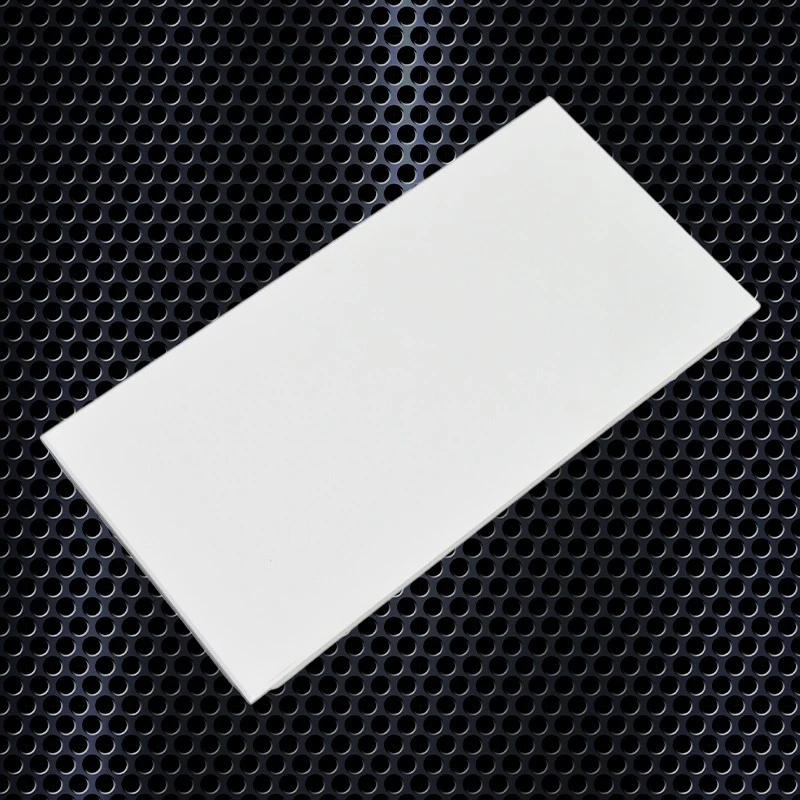
One of our popular products is our Fireproof Ceiling, which has been tested and certified to meet the strictest fire safety standards. This ceiling is made from a composite material that is highly resistant to fire and smoke, and it has a low Flame Spread Index and Smoke Developed Index.
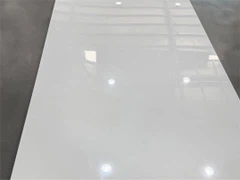
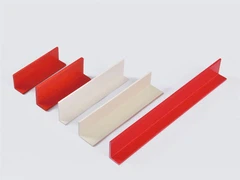
We also offer a Flame Retardant Ceiling that is designed for use in a variety of applications, including commercial, industrial, and residential buildings. This ceiling is made from a fiberglass-reinforced plastic (GRP) material that is lightweight, durable, and easy to install. It has a high fire rating and is resistant to moisture, mold, and mildew.
In addition to our standard products, we also offer custom solutions to meet the specific needs of our customers. Our team of experts can work with you to design and manufacture a ceiling that is tailored to your requirements, including the fire rating, size, shape, and color.
Contact Us for Purchase and Consultation
If you are interested in learning more about our Flame Retardant Ceilings or have any questions about fire ratings, please don't hesitate to contact us. Our sales team is available to provide you with detailed information about our products, including the fire ratings, specifications, and pricing. We can also help you determine the best ceiling solution for your specific application and provide you with a free quote.
Investing in a high-quality flame retardant ceiling is an important step in ensuring the safety and protection of your building and its occupants. By choosing our products, you can have peace of mind knowing that you are getting a ceiling that is not only fire-resistant but also durable, attractive, and easy to maintain.
References
- ASTM International. (2023). ASTM E84 - Standard Test Method for Surface Burning Characteristics of Building Materials.
- European Committee for Standardization. (2023). EN 13501-1:2023 - Fire classification of construction products and building elements - Part 1: Classification using data from reaction to fire tests.
Send Inquiry