




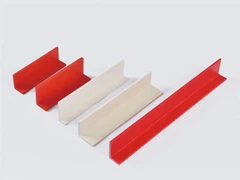

What is the compression strength of BMC Group Material?
Jan 14, 2026
Leave a message
As a supplier of BMC Group Material, I often get asked about the compression strength of this remarkable material. In this blog post, I'll delve into what compression strength means, how it applies to BMC Group Material, and why it matters in various applications.
Understanding Compression Strength
Compression strength is a fundamental mechanical property that measures a material's ability to withstand compressive forces without breaking, deforming permanently, or failing in any way. When a load is applied to a material in a direction that squeezes or compresses it, the compression strength indicates the maximum amount of stress the material can endure before it succumbs to the pressure.
It's typically expressed in units of force per unit area, such as pounds per square inch (psi) or megapascals (MPa). A higher compression strength means the material can handle greater loads before it fails, making it suitable for applications where heavy pressure or weight is involved.
Compression Strength of BMC Group Material
BMC, or Bulk Molding Compound, is a composite material made from a combination of thermosetting resin, glass fibers, fillers, and various additives. This unique blend gives BMC Group Material several desirable properties, including excellent compression strength.
The compression strength of BMC Group Material can vary depending on its specific formulation and manufacturing process. However, in general, BMC materials exhibit high compression strengths, often ranging from 100 MPa to 300 MPa or more. This makes them well-suited for applications that require materials to withstand significant compressive forces.
One of the key factors contributing to the high compression strength of BMC Group Material is the presence of glass fibers. These fibers act as reinforcement, providing additional strength and stiffness to the material. The resin matrix holds the fibers in place and transfers the load evenly across the material, enhancing its overall compression resistance.
Importance of Compression Strength in Applications
The high compression strength of BMC Group Material makes it a popular choice in a wide range of industries and applications. Here are some examples:
Electrical and Electronics
In the electrical and electronics industry, BMC Group Material is commonly used for BMC Electrical Casing and BMC Motor Wiring Terminal. These components need to withstand mechanical stress and pressure during installation, operation, and handling. The high compression strength of BMC ensures that the casings and terminals can protect the electrical components inside and maintain their structural integrity over time.
Automotive
The automotive industry also benefits from the compression strength of BMC Group Material. It is used in various automotive parts, such as engine covers, valve covers, and brake components. These parts are subjected to high pressures and forces during the operation of the vehicle. The ability of BMC to withstand these forces helps to improve the reliability and durability of the automotive components.
Construction
In the construction industry, BMC Group Material can be used for applications such as architectural panels, structural components, and manhole covers. The high compression strength of BMC allows these products to support heavy loads and resist damage from external forces. It also provides long-term performance and durability in harsh environmental conditions.
Testing Compression Strength
To ensure the quality and performance of BMC Group Material, it is essential to test its compression strength. There are several standard test methods available for measuring compression strength, such as ASTM D695 and ISO 604. These tests involve applying a compressive load to a specimen of the material at a controlled rate until it fails. The maximum load applied and the corresponding stress are recorded, and the compression strength is calculated based on the cross-sectional area of the specimen.


As a supplier, we conduct rigorous testing on our BMC Group Material to ensure that it meets or exceeds the required compression strength specifications. This helps us to provide our customers with high-quality materials that can perform reliably in their applications.
Factors Affecting Compression Strength
Several factors can affect the compression strength of BMC Group Material. These include:
Fiber Content and Orientation
The amount and orientation of glass fibers in the BMC material can significantly impact its compression strength. Generally, a higher fiber content and proper fiber orientation can result in higher compression strength.
Resin Type and Cure
The type of resin used in the BMC formulation and the curing process can also affect the compression strength. Different resins have different mechanical properties, and proper curing is essential to ensure that the resin matrix fully develops its strength.
Manufacturing Process
The manufacturing process of BMC Group Material, such as molding temperature, pressure, and cycle time, can influence its compression strength. Optimal manufacturing conditions are required to produce materials with consistent and high compression strength.
Conclusion
In conclusion, the compression strength of BMC Group Material is a crucial property that makes it a versatile and reliable material for a wide range of applications. Its high compression strength, combined with other desirable properties such as chemical resistance, electrical insulation, and dimensional stability, makes it an ideal choice for industries that require materials to withstand significant compressive forces.
If you are interested in learning more about BMC Group Material or have specific requirements for your application, I encourage you to contact us for a consultation. Our team of experts can provide you with detailed information and guidance on selecting the right BMC material for your needs. We look forward to working with you to meet your material requirements and help you achieve your project goals.
References
- ASTM International. (2015). ASTM D695 - 15: Standard Test Method for Compressive Properties of Rigid Plastics.
- International Organization for Standardization. (2002). ISO 604:2002: Plastics - Determination of Compression Properties.
Send Inquiry