




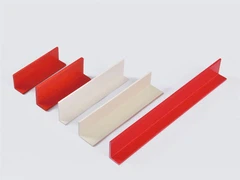

How does humidity affect the performance of BMC Group Material?
Jan 15, 2026
Leave a message
As a supplier of BMC Group Material, I've seen firsthand how humidity can have a significant impact on the performance of this versatile material. BMC, or Bulk Molding Compound, is a composite material that's widely used in various industries, from automotive to electrical, due to its excellent mechanical properties, electrical insulation, and flame retardancy. But when it comes to humidity, things can get a little tricky.
Let's start by understanding what humidity is and how it interacts with BMC Group Material. Humidity refers to the amount of water vapor present in the air. High humidity levels mean there's more moisture floating around, and this moisture can have a profound effect on the physical and chemical properties of BMC.
One of the most immediate effects of high humidity on BMC Group Material is absorption. BMC has a certain degree of porosity, and when exposed to a humid environment, it can absorb water molecules. This absorption can lead to an increase in the material's weight. On a production floor or in a manufacturing process, this weight gain might seem negligible at first glance. But when you're dealing with large - scale production or applications where precise weight is crucial, it can become a real issue.
The absorption of water can also cause dimensional changes in BMC. As the material takes in moisture, it expands. This expansion can lead to problems in applications where tight tolerances are required. For example, in BMC Motor Wiring Terminal production, any dimensional deviation can affect the proper connection of wires and the overall performance of the motor. If the terminal expands due to humidity - induced water absorption, it may not fit correctly into the motor housing or other mating parts, resulting in loose connections, electrical failures, or even safety hazards.
In addition to physical changes, humidity can also impact the mechanical properties of BMC Group Material. Water absorption can act as a plasticizer, which means it can soften the material. A softer BMC may have reduced strength, stiffness, and hardness compared to its dry state. This reduction in mechanical properties can be a big problem in structural applications or those that require high - load - bearing capacity. For example, in BMC Electrical Casing, a casing that has been weakened by humidity may not be able to protect the electrical components inside as effectively. It could crack or break under normal operating conditions, exposing the electrical parts to the environment, which can lead to short - circuits, fires, or other electrical malfunctions.
Another aspect to consider is the effect of humidity on the surface finish of BMC. When BMC absorbs moisture, it can cause the surface to become dull or develop a milky appearance. This is not only a cosmetic issue but can also affect the material's performance in applications where a smooth and clean surface is required. For instance, in some electrical applications, a rough or dull surface can increase the risk of dust and dirt accumulation, which can then lead to electrical arcing or other problems.
Now, let's talk about how we can mitigate the impact of humidity on BMC Group Material. One of the most effective ways is to control the storage and handling environment. Keeping the material in a low - humidity storage area can prevent excessive water absorption. This can be achieved by using dehumidifiers in warehouses or storage rooms. When transporting the material, it's also important to use proper packaging that can protect it from moisture. Sealed containers or moisture - resistant bags can go a long way in keeping the BMC dry.
In the manufacturing process, pre - drying the BMC before molding can help remove any moisture that may have been absorbed during storage or handling. This can be done using specialized drying equipment, such as ovens or dryers. By starting with a dry material, we can ensure more consistent molding results and better - performing final products.
It's also crucial to consider the long - term exposure of BMC products to humidity in their end - use applications. In some cases, applying a protective coating to the BMC surface can act as a barrier against moisture. Coatings can also enhance the surface finish and improve the material's resistance to environmental factors.
As a BMC Group Material supplier, I'm well - aware of the challenges that humidity poses. But at the same time, I'm confident in our ability to provide high - quality solutions. We've worked closely with our customers to understand their specific needs and have developed strategies to overcome the humidity - related issues associated with BMC.


If you're in the market for BMC Group Material and are concerned about how humidity might affect its performance in your application, don't hesitate to reach out. Our team of experts is ready to have in - depth discussions with you about your requirements, share our knowledge and experience, and help you find the best solutions. Whether you're in the automotive, electrical, or any other industry that uses BMC, we can work together to ensure that the material performs optimally, regardless of the humidity conditions.
References
- ASTM International Standards on Composite Materials
- Technical literature from leading BMC manufacturers
- Research papers on the effects of environmental factors on polymer composites
Send Inquiry