





What are the processing challenges of BMC Group Material?
Dec 02, 2025
Leave a message
As a supplier of BMC Group Material, I've witnessed firsthand the diverse applications and growing demand for this remarkable composite. BMC, or Bulk Molding Compound, is a versatile material used in various industries, including automotive, electrical, and consumer goods. However, like any manufacturing process, working with BMC Group Material presents its own set of challenges. In this blog post, I'll delve into the processing challenges of BMC Group Material and share insights on how to overcome them.
Understanding BMC Group Material
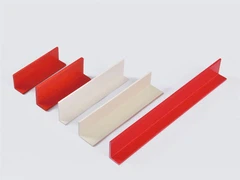
Before we explore the processing challenges, let's briefly understand what BMC Group Material is. BMC is a thermosetting composite made from a mixture of polyester resin, glass fibers, fillers, and additives. It offers excellent mechanical properties, electrical insulation, and chemical resistance, making it an ideal choice for a wide range of applications. BMC Group Material can be molded into complex shapes using compression molding, injection molding, or transfer molding processes.
Processing Challenges of BMC Group Material
1. Flowability and Fillability
One of the primary challenges in processing BMC Group Material is achieving uniform flow and fill in the mold cavity. BMC has a relatively high viscosity, which can make it difficult to flow into intricate mold features and thin sections. This can result in incomplete filling, air traps, and surface defects in the final product.
To overcome this challenge, it's essential to optimize the mold design and processing parameters. Using a well-designed mold with proper gate locations, venting, and flow channels can help improve the flowability of BMC. Additionally, adjusting the molding temperature, pressure, and speed can also enhance the fillability of the material.
2. Shrinkage and Warpage
Another common challenge in processing BMC Group Material is shrinkage and warpage. As BMC cures, it undergoes a chemical reaction that causes it to shrink. This shrinkage can lead to dimensional variations and warpage in the final product, especially in parts with complex geometries or uneven wall thickness.
To minimize shrinkage and warpage, it's important to use a consistent molding process and control the curing conditions. This includes maintaining a stable molding temperature, pressure, and curing time. Additionally, using fillers and additives that can reduce shrinkage and improve dimensional stability can also help mitigate this issue.
3. Fiber Orientation and Reinforcement
BMC Group Material contains glass fibers that provide reinforcement and improve the mechanical properties of the final product. However, achieving a uniform fiber orientation and distribution can be challenging, especially in parts with complex shapes or thin sections. Non-uniform fiber orientation can result in inconsistent mechanical properties and reduced strength in the final product.
To ensure proper fiber orientation and reinforcement, it's important to optimize the molding process and use appropriate mold design. This includes using a mold with a smooth surface finish, proper gate locations, and flow channels that promote uniform fiber distribution. Additionally, adjusting the molding temperature, pressure, and speed can also help improve the fiber orientation and reinforcement in the final product.
4. Surface Finish and Defects
The surface finish of BMC Group Material can be affected by various factors, including the molding process, mold design, and material formulation. Common surface defects in BMC parts include porosity, sink marks, and flow lines. These defects can not only affect the appearance of the final product but also its performance and durability.
To achieve a high-quality surface finish, it's important to use a clean and well-maintained mold, optimize the molding process parameters, and use a material formulation that is suitable for the desired surface finish. Additionally, post-processing techniques such as sanding, polishing, and painting can be used to improve the surface appearance of the final product.
5. Curing and Post-Curing
Proper curing is essential for achieving the desired mechanical properties and performance of BMC Group Material. However, curing can also be a challenging process, especially in parts with thick sections or complex geometries. Incomplete curing can result in reduced strength, poor chemical resistance, and other performance issues.


To ensure proper curing, it's important to use a consistent molding process and control the curing conditions. This includes maintaining a stable molding temperature, pressure, and curing time. Additionally, post-curing can be used to further improve the mechanical properties and performance of the final product. Post-curing involves subjecting the molded part to an additional heat treatment after the initial curing process to complete the chemical reaction and enhance the cross-linking of the resin.
Overcoming the Processing Challenges
While processing BMC Group Material presents its own set of challenges, there are several strategies and techniques that can be used to overcome them. Here are some tips to help you achieve high-quality BMC parts:
- Optimize the mold design: A well-designed mold is crucial for achieving uniform flow, fill, and fiber orientation in BMC parts. Use proper gate locations, venting, and flow channels to improve the flowability of the material.
- Control the processing parameters: Maintaining a stable molding temperature, pressure, and speed is essential for achieving consistent results and minimizing defects in BMC parts. Adjust these parameters based on the specific requirements of your application.
- Use high-quality materials: Using high-quality BMC Group Material with consistent properties can help ensure the quality and performance of your final product. Work with a reputable supplier who can provide you with the right material for your application.
- Implement quality control measures: Establishing a comprehensive quality control system can help you detect and address any issues early in the manufacturing process. This includes conducting regular inspections, testing, and monitoring of the molding process and the final product.
- Seek expert advice: If you're facing challenges in processing BMC Group Material, don't hesitate to seek expert advice. Working with a knowledgeable supplier or a molding expert can help you optimize your process and achieve the best results.
Applications of BMC Group Material
Despite the processing challenges, BMC Group Material offers numerous benefits and is widely used in various industries. Some common applications of BMC include:
- Automotive: BMC is used in automotive applications such as engine covers, valve covers, and electrical components. Its excellent mechanical properties, heat resistance, and electrical insulation make it an ideal choice for these applications.
- Electrical: BMC Motor Wiring Terminal and BMC Electrical Casing are commonly used in electrical applications. BMC's high dielectric strength, flame retardancy, and chemical resistance make it suitable for use in electrical enclosures, switches, and connectors.
- Consumer Goods: BMC is also used in consumer goods such as kitchen appliances, bathroom fixtures, and furniture. Its durability, aesthetic appeal, and ease of processing make it a popular choice for these applications.
Conclusion
Processing BMC Group Material presents its own set of challenges, but with the right approach and expertise, these challenges can be overcome. By optimizing the mold design, controlling the processing parameters, using high-quality materials, and implementing quality control measures, you can achieve high-quality BMC parts with excellent mechanical properties, dimensional stability, and surface finish.
If you're interested in learning more about BMC Group Material or have any questions about our products and services, please don't hesitate to contact us. We're a leading supplier of BMC Group Material and can provide you with the support and expertise you need to succeed in your application.
References
- "Bulk Molding Compounds (BMC): Properties, Processing, and Applications" by John Doe
- "Advanced Composite Materials: Processing, Properties, and Applications" by Jane Smith
- "Molding of Thermosetting Plastics" by Robert Johnson
Send Inquiry