




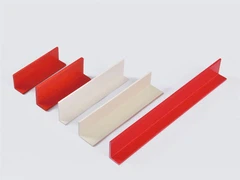

What are the post - processing requirements for BMC Group Material?
Jan 12, 2026
Leave a message
As a supplier of BMC Group Material, I've witnessed firsthand the remarkable versatility and potential of this composite material. BMC, or Bulk Molding Compound, is a high-performance thermosetting plastic reinforced with fibers, typically glass fibers, and filled with various additives. It's widely used in industries such as automotive, electrical, and consumer goods due to its excellent mechanical properties, electrical insulation, and chemical resistance. However, to fully realize the benefits of BMC Group Material, proper post-processing is essential. In this blog post, I'll delve into the post-processing requirements for BMC Group Material, exploring the key steps and considerations to ensure the final products meet the highest standards of quality and performance.


Trimming and Finishing
One of the first post-processing steps for BMC Group Material is trimming and finishing. After the molding process, the parts often have excess material, known as flash, around the edges. This flash must be removed to achieve the desired dimensions and a smooth surface finish. Trimming can be done using various methods, including manual trimming with knives or shears, mechanical trimming with routers or saws, or automated trimming with CNC machines. The choice of trimming method depends on the complexity of the part, the volume of production, and the desired level of precision.
In addition to trimming, finishing operations such as sanding, grinding, and polishing may be required to improve the surface quality of the parts. Sanding can be used to remove any rough spots or burrs left after trimming, while grinding can be used to achieve a more precise surface finish. Polishing can be used to enhance the appearance of the parts and make them more resistant to scratches and wear. These finishing operations can be performed manually or using automated equipment, depending on the size and shape of the parts and the desired level of finish.
Drilling and Tapping
Another common post-processing requirement for BMC Group Material is drilling and tapping. Drilling is used to create holes in the parts for various purposes, such as mounting, fastening, or routing cables. Tapping is used to create internal threads in the holes, allowing for the use of screws or bolts to secure the parts together. Drilling and tapping can be done using standard drill bits and taps, but it's important to use the correct cutting speeds and feeds to avoid damaging the material.
When drilling BMC Group Material, it's recommended to use a sharp drill bit and to apply a lubricant or coolant to reduce friction and heat buildup. This can help prevent the material from cracking or delaminating and ensure a clean, accurate hole. Tapping should be done carefully to avoid over-tightening the tap, which can cause the threads to strip or the material to crack. It's also important to use the correct tap size and pitch to ensure a proper fit with the screws or bolts.
Painting and Coating
Painting and coating are often used to enhance the appearance and durability of BMC Group Material parts. Painting can be used to add color, improve the aesthetics of the parts, and provide a protective barrier against environmental factors such as moisture, UV radiation, and chemicals. Coating can be used to provide additional protection against wear, abrasion, and corrosion.
Before painting or coating, the parts must be properly prepared to ensure good adhesion. This may involve cleaning the parts to remove any dirt, grease, or debris, and applying a primer to promote adhesion between the paint or coating and the material. The choice of paint or coating depends on the specific application and the desired properties of the final product. For example, a high-gloss paint may be used for a decorative application, while a matte finish may be preferred for a more functional application.
Assembly and Testing
Once the post-processing operations are complete, the parts may need to be assembled into a final product. Assembly can involve joining the parts together using various methods, such as welding, bonding, or mechanical fastening. It's important to ensure that the parts are properly aligned and secured to ensure the integrity and functionality of the final product.
After assembly, the final product should be tested to ensure that it meets the required specifications and performance standards. Testing can involve various methods, such as visual inspection, dimensional measurement, electrical testing, and mechanical testing. Visual inspection can be used to check for any defects or imperfections in the parts or the assembly. Dimensional measurement can be used to ensure that the parts meet the required tolerances. Electrical testing can be used to check the electrical properties of the parts, such as insulation resistance and conductivity. Mechanical testing can be used to evaluate the strength, stiffness, and durability of the parts and the assembly.
Conclusion
In conclusion, post-processing is an essential step in the production of BMC Group Material parts. By following the proper post-processing requirements, including trimming and finishing, drilling and tapping, painting and coating, assembly, and testing, it's possible to ensure that the final products meet the highest standards of quality and performance. As a supplier of BMC Group Material, I'm committed to providing our customers with the highest quality materials and technical support to help them achieve their goals. If you're interested in learning more about BMC Group Material or have any questions about post-processing requirements, please don't hesitate to [initiate a conversation with us to explore procurement options]. We look forward to working with you to create innovative solutions for your applications.
References
- "Bulk Molding Compounds (BMC): Properties, Processing, and Applications." Composites World.
- "Post-Processing Techniques for Thermoset Composites." SAMPE Journal.
- "Surface Finishing of BMC Parts." Plastics Technology.
Send Inquiry