





Does BMC Group Material have good mechanical strength?
Jan 12, 2026
Leave a message
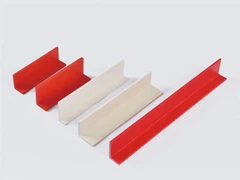
As a supplier of BMC Group Material, I've often been asked about the mechanical strength of this remarkable material. In this blog, I'll delve into the details of BMC Group Material's mechanical strength, exploring its properties, applications, and why it stands out in various industries.
Understanding BMC Group Material
BMC, or Bulk Molding Compound, is a composite material composed of thermosetting resin, chopped glass fibers, fillers, and various additives. The combination of these components results in a material with unique properties that make it suitable for a wide range of applications. BMC Group Material is known for its excellent electrical insulation, chemical resistance, and dimensional stability. However, one of its most notable features is its mechanical strength.
Factors Affecting Mechanical Strength
The mechanical strength of BMC Group Material is influenced by several factors, including the type and amount of resin, the length and orientation of glass fibers, and the presence of fillers and additives.
- Resin Type and Amount: The resin matrix plays a crucial role in determining the mechanical properties of BMC Group Material. Different types of resins, such as polyester, vinyl ester, and epoxy, offer varying levels of strength and stiffness. The amount of resin also affects the material's strength, with higher resin content generally resulting in improved mechanical properties.
- Glass Fiber Reinforcement: Glass fibers are the primary reinforcing component in BMC Group Material. The length, diameter, and orientation of the glass fibers significantly impact the material's strength. Longer fibers provide better reinforcement, as they can transfer stress more effectively throughout the material. Additionally, the orientation of the fibers can be controlled during the molding process to enhance the material's strength in specific directions.
- Fillers and Additives: Fillers and additives are used to modify the properties of BMC Group Material. Fillers, such as calcium carbonate and talc, can improve the material's stiffness and reduce its cost. Additives, such as lubricants and release agents, can enhance the material's processability and surface finish. However, the type and amount of fillers and additives must be carefully selected to ensure that they do not negatively affect the material's mechanical strength.
Testing and Evaluation of Mechanical Strength
To determine the mechanical strength of BMC Group Material, various testing methods are used. These tests provide valuable information about the material's properties and performance under different conditions.
- Tensile Testing: Tensile testing is used to measure the material's ability to withstand pulling forces. A sample of the material is subjected to a gradually increasing tensile load until it breaks. The results of the test provide information about the material's ultimate tensile strength, yield strength, and elongation at break.
- Flexural Testing: Flexural testing is used to measure the material's ability to withstand bending forces. A sample of the material is supported at two points and a load is applied at the center until it breaks. The results of the test provide information about the material's flexural strength and modulus of elasticity.
- Impact Testing: Impact testing is used to measure the material's ability to withstand sudden impacts. A sample of the material is struck with a pendulum or a falling weight, and the energy absorbed by the material is measured. The results of the test provide information about the material's impact strength and toughness.
Applications of BMC Group Material Based on Mechanical Strength
The excellent mechanical strength of BMC Group Material makes it suitable for a wide range of applications in various industries.
- Electrical and Electronics: BMC Group Material is widely used in the electrical and electronics industry due to its excellent electrical insulation properties and mechanical strength. It is used to manufacture BMC Electrical Casing, which provides protection for electrical components and ensures their safe operation. Additionally, BMC Group Material is used to manufacture BMC Motor Wiring Terminal, which provides a reliable connection between the motor and the electrical system.
- Automotive: BMC Group Material is used in the automotive industry to manufacture various components, such as engine covers, battery trays, and brake components. Its high mechanical strength, dimensional stability, and chemical resistance make it an ideal material for these applications. Additionally, BMC Group Material can be molded into complex shapes, which allows for the design of lightweight and efficient automotive components.
- Aerospace: BMC Group Material is used in the aerospace industry to manufacture components that require high strength and stiffness, such as aircraft interiors, structural components, and engine parts. Its low weight, high strength-to-weight ratio, and excellent fire resistance make it an ideal material for these applications.
Advantages of Using BMC Group Material for Its Mechanical Strength
There are several advantages to using BMC Group Material for its mechanical strength.


- High Strength-to-Weight Ratio: BMC Group Material has a high strength-to-weight ratio, which means that it can provide excellent mechanical strength while being relatively lightweight. This makes it an ideal material for applications where weight reduction is important, such as in the automotive and aerospace industries.
- Dimensional Stability: BMC Group Material has excellent dimensional stability, which means that it maintains its shape and size under different environmental conditions. This makes it an ideal material for applications where precision and accuracy are required, such as in the electrical and electronics industry.
- Chemical Resistance: BMC Group Material has excellent chemical resistance, which means that it can withstand exposure to various chemicals and solvents. This makes it an ideal material for applications where chemical resistance is important, such as in the chemical processing and food and beverage industries.
Conclusion
In conclusion, BMC Group Material has excellent mechanical strength, which makes it suitable for a wide range of applications in various industries. Its high strength-to-weight ratio, dimensional stability, and chemical resistance make it an ideal material for applications where mechanical strength, precision, and durability are required. If you're looking for a reliable and high-performance material for your next project, consider using BMC Group Material.
If you're interested in learning more about BMC Group Material or would like to discuss your specific requirements, please feel free to contact us. We're here to help you find the best solution for your needs.
References
- "Bulk Molding Compounds (BMC) - Properties, Applications, and Processing." Composites World.
- "Mechanical Properties of Bulk Molding Compounds." Journal of Composite Materials.
- "Advances in Bulk Molding Compounds Technology." Proceedings of the International Conference on Composite Materials.
Send Inquiry