




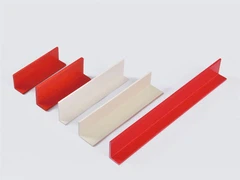

What are the mechanical strengths of BMC Group Material?
Jan 06, 2026
Leave a message
As a supplier of BMC Group Material, I am frequently asked about the mechanical strengths of this remarkable material. In this blog post, I'll delve into the various mechanical properties that make BMC Group Material a top choice in numerous industries.
Understanding BMC Group Material
Before we explore its mechanical strengths, let's briefly understand what BMC Group Material is. BMC, or Bulk Molding Compound, is a composite material made from a mixture of thermosetting resin, chopped glass fibers, fillers, and various additives. This combination results in a material with unique properties that can be tailored to meet specific application requirements.
Tensile Strength
One of the most important mechanical properties of any material is its tensile strength, which measures the maximum amount of tensile (pulling) stress it can withstand before breaking. BMC Group Material exhibits excellent tensile strength, thanks to the reinforcement provided by the chopped glass fibers. The glass fibers act as a skeleton within the resin matrix, distributing the load evenly and preventing the material from deforming or breaking under tension.
In many applications, such as BMC Electrical Casing, high tensile strength is crucial. Electrical casings need to withstand the stresses associated with installation, handling, and environmental factors. The strong tensile strength of BMC Group Material ensures that these casings can maintain their integrity over time, protecting the electrical components inside.
Flexural Strength
Flexural strength refers to a material's ability to resist bending. BMC Group Material has impressive flexural strength, allowing it to withstand significant bending forces without permanent deformation. This property is particularly important in applications where the material may be subjected to bending or flexing, such as structural components or parts that need to support a load.
For example, BMC Motor Wiring Terminal often need to be bent or shaped during installation. The high flexural strength of BMC Group Material ensures that these terminals can be manipulated without breaking or cracking, providing a reliable connection for the motor's electrical wiring.
Compressive Strength
Compressive strength is the ability of a material to withstand compressive (pushing) forces. BMC Group Material has excellent compressive strength, making it suitable for applications where it may be subjected to heavy loads or pressure. In industries such as automotive and construction, components made from BMC Group Material can support significant weights without collapsing or deforming.
The high compressive strength of BMC Group Material also makes it resistant to wear and tear. In applications where the material is in contact with other surfaces or subjected to friction, it can maintain its shape and performance over time, reducing the need for frequent replacements.
Impact Resistance
Another important mechanical property is impact resistance, which measures a material's ability to absorb energy when struck by an object. BMC Group Material has good impact resistance, thanks to the combination of the resin matrix and the glass fiber reinforcement. The resin matrix can absorb some of the impact energy, while the glass fibers help to distribute the stress and prevent the material from cracking or shattering.


In applications where the material may be exposed to impact, such as automotive bumpers or industrial equipment housings, the high impact resistance of BMC Group Material provides an added layer of protection. It can help to prevent damage to the components and ensure their continued operation.
Hardness
Hardness is a measure of a material's resistance to indentation or scratching. BMC Group Material has a relatively high hardness, which makes it resistant to abrasion and wear. This property is important in applications where the material is in contact with other surfaces or subjected to friction, such as gears, bearings, or sliding components.
The hardness of BMC Group Material also contributes to its dimensional stability. It can maintain its shape and size over time, even under harsh environmental conditions or when subjected to mechanical stresses. This ensures that components made from BMC Group Material can fit precisely and function properly in their intended applications.
Fatigue Resistance
Fatigue resistance refers to a material's ability to withstand repeated loading and unloading cycles without failing. BMC Group Material has good fatigue resistance, making it suitable for applications where the material is subjected to cyclic stresses, such as in automotive engines or aerospace components.
The fatigue resistance of BMC Group Material is due to the combination of its mechanical properties, such as tensile strength, flexural strength, and impact resistance. These properties allow the material to absorb and distribute the energy generated by the cyclic loading, preventing the formation and propagation of cracks.
Chemical Resistance
In addition to its mechanical strengths, BMC Group Material also has good chemical resistance. It is resistant to a wide range of chemicals, including acids, bases, solvents, and oils. This property makes it suitable for applications in the chemical, pharmaceutical, and food processing industries, where the material may come into contact with various chemicals.
The chemical resistance of BMC Group Material also helps to protect the components from corrosion and degradation. It can maintain its mechanical properties and performance over time, even in harsh chemical environments.
Conclusion
In conclusion, BMC Group Material offers a wide range of mechanical strengths that make it a versatile and reliable choice for various applications. Its high tensile strength, flexural strength, compressive strength, impact resistance, hardness, fatigue resistance, and chemical resistance make it suitable for use in industries such as automotive, electrical, construction, and aerospace.
If you are looking for a material that can meet your specific mechanical requirements, I encourage you to consider BMC Group Material. As a supplier, I can provide you with the high-quality BMC Group Material you need, along with technical support and guidance to ensure its successful application. Contact me today to discuss your procurement needs and explore how BMC Group Material can benefit your projects.
References
- "Handbook of Composite Materials" by P. K. Mallick
- "Engineering Plastics: Properties and Applications" by Donald V. Rosato
Send Inquiry