




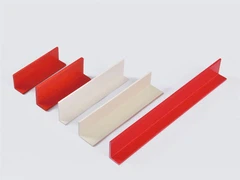

Can BMC Electrical Casing withstand high temperatures?
Jan 06, 2026
Leave a message
As a supplier of BMC Electrical Casing, I often encounter inquiries from customers about the product's ability to withstand high temperatures. This is a crucial question, as many electrical applications involve elevated temperatures, and the casing must maintain its integrity to ensure the safety and functionality of the electrical components it houses.
Understanding BMC Electrical Casing
BMC, or Bulk Molding Compound, is a composite material made from a mixture of thermosetting resin, glass fibers, fillers, and additives. The combination of these materials gives BMC its unique properties, including high strength, excellent electrical insulation, and good chemical resistance. BMC Electrical Casing is manufactured using this material and is designed to protect electrical components from environmental factors, mechanical damage, and electrical hazards.
The Science Behind High - Temperature Resistance
The ability of BMC Electrical Casing to withstand high temperatures is primarily determined by the thermosetting resin used in its composition. Thermosetting resins, such as unsaturated polyester, epoxy, and phenolic resins, undergo a chemical cross - linking reaction during the molding process. This cross - linking forms a three - dimensional network structure that gives the material its rigidity and heat resistance.
When exposed to high temperatures, the cross - linked structure of the thermosetting resin helps to prevent the material from softening or melting. Instead, it can maintain its shape and mechanical properties up to a certain temperature limit. The specific high - temperature performance of BMC Electrical Casing depends on several factors, including the type of resin, the amount of glass fibers and fillers, and the manufacturing process.


Temperature Ratings of BMC Electrical Casing
The temperature rating of BMC Electrical Casing is typically specified by the manufacturer. It indicates the maximum continuous operating temperature at which the casing can maintain its performance and safety characteristics. Common temperature ratings for BMC Electrical Casing range from 130°C to 200°C, although some specialized formulations can withstand even higher temperatures.
For applications where the temperature exceeds the normal operating range, it is important to select a BMC Electrical Casing with a suitable temperature rating. Using a casing with an inadequate temperature rating can lead to thermal degradation, which may cause the casing to crack, deform, or lose its electrical insulation properties. This can pose serious safety risks, such as electrical short - circuits, fires, or equipment failure.
Case Studies: Real - World Applications
To better illustrate the high - temperature resistance of BMC Electrical Casing, let's look at some real - world applications.
In the automotive industry, BMC Electrical Casing is used in engine compartments, where temperatures can reach well above 100°C. The casings protect electrical connectors, sensors, and control modules from the high - temperature environment, ensuring reliable operation of the vehicle's electrical systems. For example, in hybrid and electric vehicles, the high - power battery management systems are often housed in BMC Electrical Casing to protect them from the heat generated during charging and discharging.
In the industrial sector, BMC Electrical Casing is used in electrical panels and switchgear. These applications may involve the use of high - power electrical equipment, which can generate significant amounts of heat. The casing helps to dissipate the heat and protect the internal components from overheating. For instance, in a manufacturing plant, the electrical control panels for large machinery are typically enclosed in BMC Electrical Casing to ensure their long - term reliability.
Comparing BMC with Other Materials
When considering high - temperature applications, it is also important to compare BMC Electrical Casing with other materials commonly used in electrical enclosures.
Plastic materials, such as polycarbonate and ABS, are often used in low - to medium - temperature applications. However, they have relatively low heat resistance compared to BMC. At high temperatures, plastic materials may soften, warp, or become brittle, which can compromise the protection of the electrical components.
Metal enclosures, on the other hand, have good heat conductivity and can dissipate heat effectively. However, they are heavier, more expensive, and may require additional insulation to prevent electrical conductivity. BMC Electrical Casing offers a good balance between heat resistance, mechanical strength, and cost - effectiveness, making it a popular choice for many high - temperature electrical applications.
Factors Affecting High - Temperature Performance
While BMC Electrical Casing generally has good high - temperature resistance, several factors can affect its performance in real - world applications.
The duration of exposure to high temperatures is an important factor. Continuous exposure to high temperatures over a long period can cause gradual thermal degradation of the material. Therefore, it is important to consider the expected lifespan of the components and the frequency of high - temperature events when selecting a BMC Electrical Casing.
The presence of chemicals and solvents can also affect the high - temperature performance of BMC Electrical Casing. Some chemicals may react with the resin or fillers in the material, reducing its heat resistance and mechanical strength. In applications where the casing may be exposed to chemicals, it is important to choose a BMC formulation that is resistant to the specific chemicals involved.
Our Product Offerings
As a supplier of BMC Electrical Casing, we offer a wide range of products with different temperature ratings and specifications to meet the diverse needs of our customers. Our BMC Electrical Casing is manufactured using high - quality materials and advanced manufacturing processes to ensure consistent quality and performance.
We also provide BMC Motor Wiring Terminal and BMC Group Material, which are designed to work in conjunction with our electrical casings. These products are also engineered to withstand high temperatures and provide reliable electrical connections and support.
Contact Us for Your High - Temperature Needs
If you are looking for a reliable solution for high - temperature electrical applications, we invite you to contact us for procurement and further discussion. Our team of experts can help you select the most suitable BMC Electrical Casing and related products based on your specific requirements. We are committed to providing high - quality products and excellent customer service to help you achieve your project goals.
References
- Lee, H. & Neville, K. (1967). Handbook of Epoxy Resins. McGraw - Hill.
- Strong, A. B. (2006). Plastics Materials and Processing. Pearson Prentice Hall.
- Marks, L. S. (ed.) (2007). Marks' Standard Handbook for Mechanical Engineers. McGraw - Hill.
Send Inquiry