




What are the installation requirements for a flame retardant ceiling?
Oct 15, 2025
Leave a message
As a supplier of flame retardant ceilings, I often get asked about the installation requirements for these essential building components. Flame retardant ceilings are crucial in both residential and commercial settings, providing an added layer of safety by reducing the spread of fire. In this blog, I'll delve into the key installation requirements to ensure that your flame retardant ceiling not only meets safety standards but also performs optimally.
1. Building Codes and Standards
Before any installation begins, it's imperative to familiarize yourself with the local building codes and standards. These regulations vary from region to region and are designed to safeguard the occupants of a building. For instance, in many areas, flame retardant ceilings must meet specific fire resistance ratings, such as Class A, B, or C, which indicate the material's ability to resist fire and limit the spread of flames.
You can find detailed information about these codes through your local building department or relevant regulatory agencies. Adhering to these standards is non - negotiable, as non - compliance can lead to legal issues and pose a significant safety risk. It's also worth noting that some insurance companies may require buildings to meet certain fire safety standards, including proper installation of flame retardant ceilings, to provide coverage.
2. Structural Integrity
The structure that will support the flame retardant ceiling must be in good condition and capable of bearing the weight of the ceiling materials. This includes the ceiling joists, trusses, or other support systems. Before installation, a professional inspection should be carried out to assess the structural integrity.
If the existing structure is found to be weak or damaged, it may need to be reinforced. For example, if the ceiling joists are spaced too far apart or are showing signs of rot, additional support may be required. This could involve adding new joists, sistering existing ones, or using support beams. Ensuring a stable structure is essential not only for the proper installation of the ceiling but also for the long - term safety of the building.
3. Surface Preparation
The surface where the flame retardant ceiling will be installed must be clean, dry, and smooth. Any dirt, dust, or debris on the surface can prevent proper adhesion of the ceiling materials. If the surface is uneven, it can cause the ceiling to look lumpy or uneven after installation.
For a new construction, the surface may need to be primed to improve adhesion. In the case of a renovation, any old paint, wallpaper, or other finishes should be removed. If there are any cracks or holes in the surface, they should be filled and sanded smooth. This preparation step is crucial for a seamless and long - lasting installation.
4. Ventilation
Proper ventilation is an important consideration when installing a flame retardant ceiling. Adequate ventilation helps to prevent the buildup of moisture, which can lead to mold growth and damage the ceiling materials over time. It also helps to maintain a healthy indoor environment.
When planning the installation, ensure that there are sufficient ventilation openings in the ceiling. These can be in the form of vents, fans, or other ventilation systems. The size and number of ventilation openings will depend on the size of the room and the type of activities carried out in it. For example, a kitchen or bathroom will require more ventilation than a living room due to the higher levels of moisture generated.
5. Electrical and Plumbing Considerations
Before installing a flame retardant ceiling, it's essential to take into account any electrical and plumbing systems in the ceiling space. Electrical wires and fixtures should be properly installed and protected to prevent them from coming into contact with the ceiling materials, which could pose a fire hazard.
Plumbing pipes should also be inspected for leaks and properly insulated. If there are any pipes that run through the ceiling, they should be installed in a way that allows for easy access for maintenance and repairs. In some cases, it may be necessary to install access panels in the ceiling to reach these systems.
6. Installation Techniques
The installation techniques for flame retardant ceilings can vary depending on the type of ceiling material. For example, if you're using ceiling tiles, they are typically installed using a grid system. The grid is first attached to the ceiling joists, and then the tiles are placed into the grid.
If you're using a continuous sheet of flame retardant ceiling material, it may be glued or nailed to the ceiling surface. When using nails or screws, it's important to ensure that they are the correct length and type for the material. Over - tightening or using the wrong fasteners can damage the ceiling material and compromise its fire - retardant properties.

7. Sealing and Joints
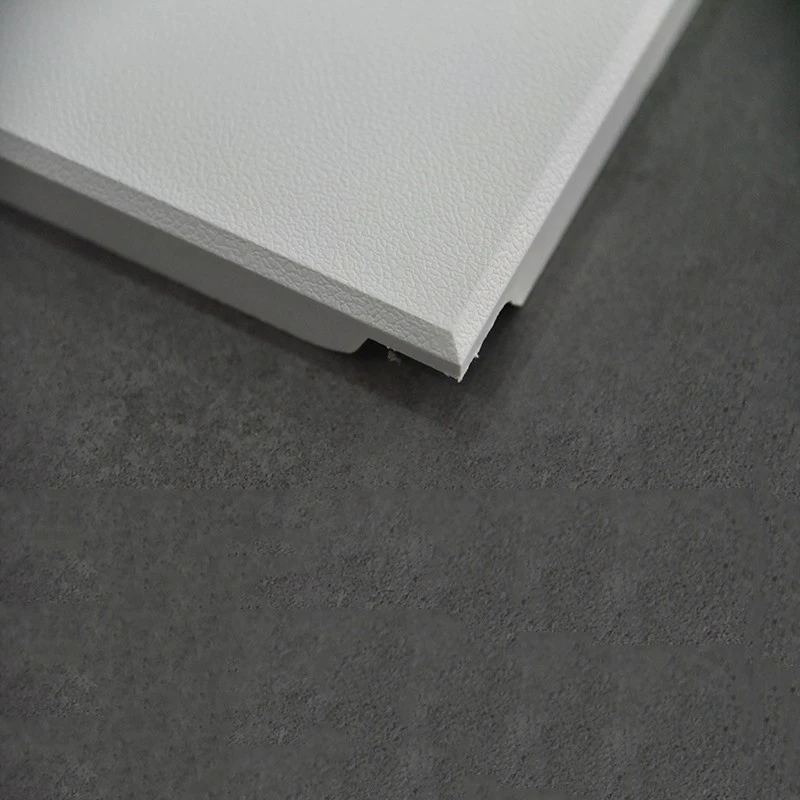
Proper sealing of joints and seams is crucial to maintain the fire - retardant properties of the ceiling. Any gaps or openings in the ceiling can allow fire and smoke to spread. When installing ceiling tiles or panels, the joints should be sealed using a fire - rated sealant.
For continuous sheet materials, the seams should be carefully joined and sealed. This may involve using a special tape or adhesive designed for flame retardant materials. Ensuring that all joints and seams are properly sealed helps to create a barrier against fire and smoke, enhancing the overall safety of the building.
8. Fireproof Ceiling Resources
If you're looking for more information on fireproof ceilings, you can visit this Fireproof Ceiling page. It provides valuable insights into different types of fireproof ceiling products and their features.
Conclusion
Installing a flame retardant ceiling requires careful planning and attention to detail. By following the installation requirements outlined above, you can ensure that your ceiling meets safety standards and provides reliable fire protection.
If you're in the market for high - quality flame retardant ceilings, I encourage you to reach out to discuss your specific needs. Whether you're a contractor working on a large - scale commercial project or a homeowner looking to enhance the safety of your residence, we have the expertise and products to meet your requirements. Contact us today to start the procurement process and take the first step towards a safer building environment.
References
- Local Building Codes and Regulations
- Manufacturer's Installation Guides for Flame Retardant Ceiling Materials
- Industry Standards for Fire - Retardant Building Components
Send Inquiry