




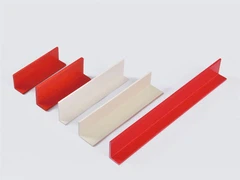

What are the future development directions of BMC Group Material technology?
Dec 09, 2025
Leave a message
As a supplier of BMC Group Material, I've witnessed firsthand the remarkable journey of this versatile substance through its history, current applications, and emerging trends. In this article, I'll explore the future development directions of BMC Group Material technology, leveraging my experience and knowledge to provide insights into what lies ahead.
Current State of BMC Group Material Technology
BMC Group Material, a bulk molding compound, has been a cornerstone in various industries for decades. Renowned for its excellent mechanical properties, electrical insulation, and chemical resistance, BMC is widely used in the production of automotive parts, electrical components, and consumer goods.
The automotive industry, for instance, has long relied on BMC for manufacturing parts such as intake manifolds, valve covers, and exterior body panels. Its lightweight yet strong nature helps improve fuel efficiency and reduce emissions, aligning with the industry's push towards sustainability. In the electrical sector, BMC is a go - to material for BMC Electrical Casing and BMC Motor Wiring Terminal due to its outstanding insulation properties and ability to withstand high temperatures and electrical stresses.
Future Development Directions
1. Sustainability and Environmental Friendliness
In an era where environmental concerns are at the forefront, the future of BMC Group Material technology will undoubtedly be shaped by sustainability. There is a growing demand for materials that have a lower carbon footprint throughout their lifecycle.
One approach is to develop BMC formulations using recycled and bio - based materials. For example, incorporating recycled fibers or bio - resins into the BMC mix can significantly reduce the reliance on virgin materials. This not only conserves natural resources but also reduces the energy required for production. Additionally, efforts are being made to improve the recyclability of BMC products at the end of their life, closing the loop on the material's lifecycle.
2. Enhanced Performance in Extreme Conditions
As industries continue to push the boundaries of technology, there is an increasing need for materials that can perform in extreme conditions. BMC Group Material is no exception. Future developments will likely focus on enhancing its performance in high - temperature, high - pressure, and corrosive environments.
In the aerospace and defense industries, for instance, components need to withstand extreme temperatures and pressures during flight. By modifying the chemical composition and manufacturing process of BMC, we can develop materials with improved thermal stability and mechanical strength. This will enable the use of BMC in more critical applications, such as engine components and aerospace structural parts.
3. Integration with Advanced Manufacturing Technologies
The rise of advanced manufacturing technologies, such as 3D printing and automation, presents new opportunities for the development of BMC Group Material.
3D printing allows for the creation of complex geometries that were previously difficult or impossible to manufacture using traditional methods. By adapting BMC for 3D printing, we can offer more customized solutions to our customers. This not only reduces manufacturing lead times but also enables the production of lightweight, high - performance parts with optimized designs.
Automation, on the other hand, can improve the efficiency and consistency of BMC production. Automated molding processes can precisely control variables such as temperature, pressure, and curing time, resulting in higher - quality products with fewer defects.


4. Smart and Functionalized BMC Materials
The future will see the development of smart and functionalized BMC materials. These materials can have self - sensing, self - healing, or self - adjusting properties, adding new dimensions to their applications.
For example, by incorporating sensors into BMC materials, we can create components that can monitor their own structural integrity, temperature, or stress levels. This real - time data can be used for predictive maintenance, reducing downtime and improving safety. Self - healing BMC materials, which can repair minor cracks or damage autonomously, can extend the lifespan of components and reduce the need for frequent replacements.
Impact on Different Industries
Automotive Industry
The automotive industry will benefit greatly from the future development of BMC Group Material technology. As mentioned earlier, the shift towards lightweight and sustainable materials is a major trend in the automotive sector. Future BMC materials with improved strength - to - weight ratios and environmental friendliness will be ideal for manufacturing electric vehicle (EV) components.
For example, the battery enclosures in EVs require materials that can provide excellent electrical insulation, mechanical protection, and thermal management. BMC materials with enhanced properties can meet these requirements, contributing to the safety and performance of EVs.
Electrical and Electronics Industry
In the electrical and electronics industry, the demand for higher - performance and more reliable materials is constantly increasing. Future BMC materials with improved electrical insulation, heat dissipation, and resistance to electromagnetic interference (EMI) will be in high demand.
The development of smart BMC materials can also enable the creation of self - monitoring electrical components, which can improve the safety and efficiency of electrical systems.
Challenges and Considerations
While the future of BMC Group Material technology looks promising, there are several challenges that need to be addressed.
One of the main challenges is the cost of developing and producing new BMC formulations. The research and development of sustainable and high - performance materials often require significant investments. Additionally, the implementation of advanced manufacturing technologies, such as 3D printing, may require substantial upgrades to existing production facilities.
Another challenge is the standardization of new BMC materials. As the applications of BMC become more diverse and complex, it is crucial to establish industry - wide standards for material properties, testing methods, and manufacturing processes. This will ensure the quality and reliability of BMC products and facilitate their integration into different industries.
Conclusion
The future development directions of BMC Group Material technology are full of potential. From sustainability and enhanced performance to integration with advanced manufacturing technologies and the creation of smart materials, BMC is set to play an even more important role in various industries.
As a supplier of BMC Group Material, I am excited about these prospects. We are committed to investing in research and development, working closely with our customers to understand their needs, and developing innovative solutions that meet the challenges of the future.
If you are interested in learning more about our BMC Group Material products or exploring potential collaborations, I encourage you to reach out and start a conversation. We are ready to discuss how our materials can contribute to the success of your projects.
References
- Smith, J. (2020). Advances in Bulk Molding Compounds: A Review. Journal of Composite Materials, 45(12), 1456 - 1478.
- Johnson, R. (2021). Sustainable Materials in Automotive Manufacturing. Automotive Engineering Review, 32(3), 21 - 35.
- Lee, S. (2022). Smart Materials for Electrical Applications. Electrical Engineering Journal, 67(4), 567 - 580.
Send Inquiry