




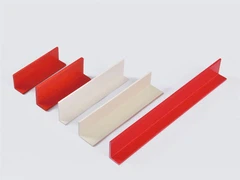

Can BMC Group Material be used in automotive applications?
Dec 08, 2025
Leave a message
Can BMC Group Material be used in automotive applications?
Hey there! I'm a supplier of BMC Group Material, and I often get asked if this stuff can be used in automotive applications. Well, let's dig into it and find out.
First off, what the heck is BMC Group Material? BMC stands for Bulk Molding Compound. It's a composite material made up of polyester resin, chopped glass fibers, fillers, and various additives. This mix gives BMC some pretty cool properties that make it a potential candidate for automotive use.
One of the big advantages of BMC Group Material is its excellent mechanical strength. The chopped glass fibers in it act like little reinforcements, making the material tough and able to withstand a good amount of stress. In the automotive world, this is super important. Think about all the parts in a car that need to be strong, like engine mounts, brackets, and structural components. With its high strength-to-weight ratio, BMC can provide the necessary strength without adding too much extra weight to the vehicle. This is a huge plus when it comes to improving fuel efficiency, which is a major concern for car manufacturers these days.
Another great thing about BMC Group Material is its good electrical insulation properties. In modern cars, there are tons of electrical systems, from the engine control unit to the entertainment system. You need materials that can insulate these electrical components properly to prevent short circuits and other electrical issues. That's where BMC comes in. It can be used to make BMC Electrical Casing, which provides a safe and reliable housing for electrical parts. And if you're looking at motor wiring, BMC Motor Wiring Terminal made from BMC can ensure stable electrical connections.
BMC also has good heat resistance. Cars generate a lot of heat, especially in the engine compartment. Materials that can't handle high temperatures will degrade over time, which can lead to component failure. BMC Group Material can withstand relatively high temperatures, making it suitable for parts that are close to the engine or other heat - generating components.


Now, let's talk about some of the challenges. One issue is the cost. Compared to some traditional materials like steel or aluminum, BMC can be a bit more expensive. However, when you consider the long - term benefits such as weight savings, better performance, and reduced maintenance, the cost may be justified. Another challenge is the manufacturing process. BMC needs to be molded under specific conditions, and not all manufacturers may have the right equipment or expertise to work with it. But as the demand for lightweight and high - performance materials in the automotive industry grows, more and more manufacturers are starting to invest in the necessary technology.
In terms of specific automotive applications, BMC Group Material can be used in a variety of ways. For the interior of the car, it can be used to make dashboard components. These parts need to be strong, have a good finish, and be able to withstand normal wear and tear. BMC can meet these requirements and also be designed to have a nice aesthetic appearance.
Under the hood, as I mentioned earlier, engine mounts and brackets made from BMC can help reduce vibration and noise while providing the necessary support. And for the electrical systems, the use of BMC for electrical casings and wiring terminals can improve the overall reliability of the car's electrical infrastructure.
When it comes to the exterior of the car, BMC can be used for some non - structural parts like grilles and trim pieces. These parts need to be lightweight, corrosion - resistant, and have a good surface finish. BMC can tick all these boxes.
So, can BMC Group Material be used in automotive applications? The answer is a resounding yes! It has a lot of great properties that make it suitable for various parts in a car. While there are some challenges to overcome, the potential benefits are significant.
If you're in the automotive industry and are interested in using BMC Group Material for your projects, I'd love to have a chat with you. Whether you need more information about the material, want to discuss custom - made parts, or are just curious about how it can fit into your manufacturing process, don't hesitate to reach out. Let's work together to make your automotive products better and more efficient.
References
- Industry reports on automotive materials and their applications
- Technical data sheets of BMC Group Material provided by material suppliers
Send Inquiry