


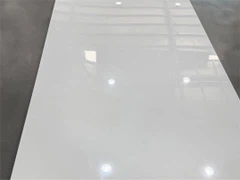

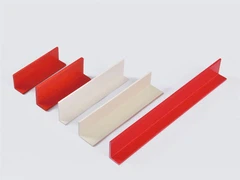

What are the common problems with SMC Ceiling?
Nov 27, 2025
Leave a message
Hey there! As a supplier of SMC (Sheet Molding Compound) ceilings, I've seen my fair share of common issues that customers often run into. SMC ceilings are popular for their durability, lightweight nature, and aesthetic appeal. But like any product, they're not without their problems. In this blog, I'll walk you through some of the most frequent problems with SMC ceilings and how you can deal with them.
1. Surface Scratches
One of the most common complaints I hear from customers is about surface scratches on SMC ceilings. These scratches can occur during installation, cleaning, or even just normal use. Since SMC is a composite material, the surface can be relatively soft compared to some other ceiling materials.
During installation, if the installers aren't careful, tools or other hard objects can accidentally scratch the surface. And when it comes to cleaning, using abrasive cleaners or rough sponges can also leave scratches.
To prevent scratches during installation, make sure the installers handle the panels gently and use soft - edged tools. For cleaning, use a mild, non - abrasive cleaner and a soft microfiber cloth. If you do end up with scratches, some minor ones can be buffed out using a fine - grit sandpaper followed by a polishing compound.
2. Color Fading
Color fading is another issue that some customers face with SMC ceilings. Over time, exposure to sunlight, especially direct sunlight, can cause the colors of the SMC panels to fade. This is more likely to happen in areas where the ceiling is near large windows or in outdoor or semi - outdoor settings.
The UV rays in sunlight break down the pigments in the SMC material, leading to a loss of color vibrancy. To combat this, you can choose SMC ceilings with UV - resistant coatings. These coatings act as a barrier between the sunlight and the panel, reducing the rate of color fading. If you already have a ceiling that's fading, you might consider adding window treatments like blinds or curtains to reduce the amount of sunlight hitting the ceiling.
3. Poor Installation and Alignment
Improper installation can lead to a whole host of problems with SMC ceilings. If the panels aren't installed correctly, they may not fit together properly, leaving gaps or uneven surfaces. This not only looks bad but can also affect the functionality of the ceiling.
For example, gaps between panels can allow moisture to seep in, which can lead to mold growth or damage to the ceiling structure over time. Alignment issues can also make the ceiling look lopsided or unprofessional.
To ensure proper installation, it's crucial to hire experienced installers who are familiar with SMC ceilings. They should follow the manufacturer's installation guidelines carefully. Before installation, make sure the surface where the ceiling will be installed is clean, flat, and level. This will help the panels fit together smoothly.
4. Moisture and Mold Problems
SMC ceilings are generally resistant to moisture, but if there are issues with the building's ventilation or if there are water leaks in the area, moisture can accumulate on or behind the ceiling panels. This creates a perfect environment for mold growth.
Mold not only looks unsightly but can also be a health hazard. To prevent moisture and mold problems, ensure that the area has proper ventilation. You can install exhaust fans in bathrooms, kitchens, or other areas where moisture is likely to build up. Regularly check for any signs of water leaks in the ceiling or the surrounding areas, such as water stains or a musty smell. If you do find mold, clean it immediately using a mold - killing cleaner. Make sure to address the root cause of the moisture problem to prevent it from coming back.
5. Cracking and Chipping
In some cases, SMC ceilings can develop cracks or chips. This can be due to physical impact, such as a heavy object hitting the ceiling, or due to thermal expansion and contraction. SMC materials expand and contract with changes in temperature, and if the ceiling isn't installed with proper allowances for this movement, it can lead to cracking.
To prevent cracking from physical impact, be careful in areas where the ceiling is likely to be hit, like in workshops or storage areas. You can install protective barriers if necessary. For thermal expansion and contraction, ensure that the installers leave appropriate expansion joints between the panels. If you do get cracks or chips, small ones can sometimes be repaired using a suitable filler and then sanded and painted to match the rest of the ceiling.
6. Structural Integrity Issues
In rare cases, SMC ceilings may experience structural integrity problems. This can be due to poor manufacturing quality, excessive weight on the ceiling, or long - term wear and tear. If the ceiling is supporting too much weight, for example, if there are heavy fixtures or equipment attached to it, the panels may start to sag or even break.
When choosing SMC ceilings, make sure to select panels with the appropriate load - bearing capacity for your specific needs. If you need to attach heavy fixtures, consult with the manufacturer or an engineer to ensure that the ceiling can support the weight. Regular inspections of the ceiling can also help detect any early signs of structural issues, such as small cracks or unusual sagging.

7. Compatibility with Other Building Materials
Sometimes, SMC ceilings may not be compatible with other building materials in the area. For example, if there are chemical reactions between the SMC material and adjacent materials, it can lead to deterioration of the ceiling or the other materials.
Before installation, it's important to check the compatibility of the SMC ceiling with other materials in the building, such as paints, adhesives, or insulation. If there are potential compatibility issues, you may need to use a barrier or choose alternative materials.
As a supplier, I understand that these problems can be frustrating for customers. But with the right knowledge and preventive measures, most of these issues can be avoided or easily resolved.
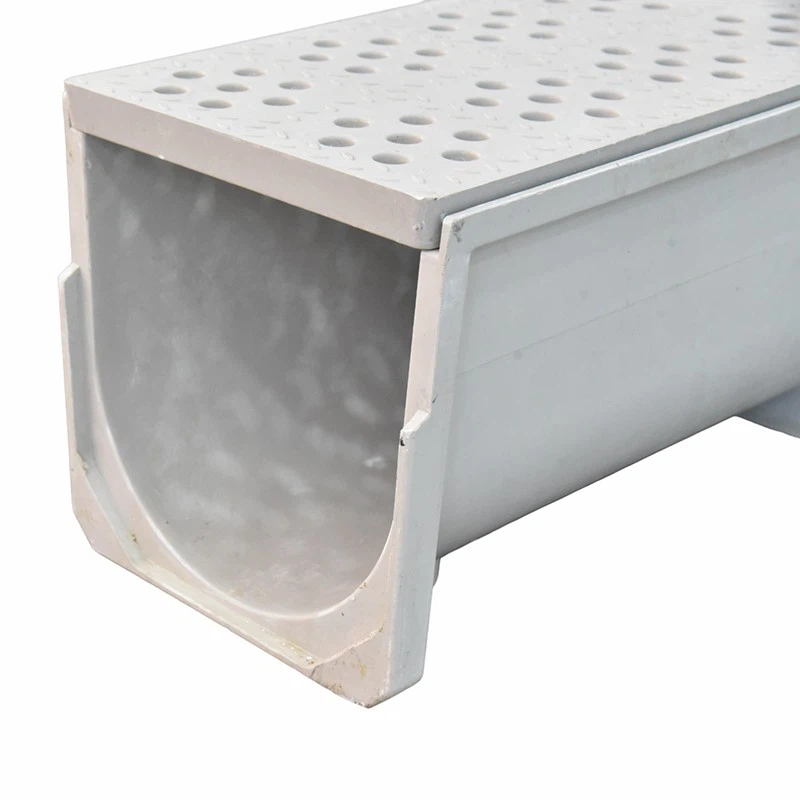
We also offer a range of related SMC products. For example, if you're interested in SMC - related drainage solutions, check out our SMC Gutter Groove Water Grate. It's a great addition to any building project. And for electrical and mechanical applications, we have GPO - 3 Unsaturated Polyester Fiber Glass Mechanical And Electrical Use and SMC Insulation Rod.
If you're facing any problems with your SMC ceilings or are looking to purchase new ones, don't hesitate to reach out. We're here to help you with all your SMC ceiling needs and can offer expert advice on installation, maintenance, and problem - solving. Contact us to start a procurement negotiation and get the best SMC ceiling solutions for your project.
References
- General knowledge from years of experience in the SMC ceiling supply industry.
- Manufacturer's guidelines and technical specifications for SMC ceiling products.
Send Inquiry