




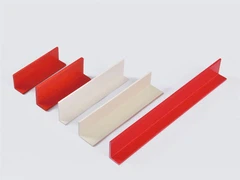

How to check the quality of BMC Electrical Casing?
Aug 28, 2025
Leave a message
Hey there! I'm a supplier of BMC Electrical Casing, and I'm super excited to share some tips on how to check the quality of these casings. It's crucial to make sure you're getting top - notch stuff, whether you're a DIY enthusiast or a professional in the electrical industry.
1. Visual Inspection
The first step in checking the quality of BMC Electrical Casing is a simple visual inspection. You want to take a good, close look at the casing. Start by looking for any obvious signs of damage, like cracks, chips, or dents. A high - quality BMC Electrical Casing should have a smooth and even surface. If you see any rough patches or unevenness, it could be a sign of poor manufacturing.
Also, pay attention to the color of the casing. BMC casings usually come in a consistent color. If you notice any color variations, it might indicate that the material wasn't mixed properly during the manufacturing process. This could potentially affect the overall strength and durability of the casing.
2. Dimensions and Fit
Accurate dimensions are key when it comes to electrical casings. You need to measure the casing to ensure it meets the specifications you require. Check the length, width, height, and any other relevant dimensions. A casing that's the wrong size can cause all sorts of problems, like not fitting properly around your electrical components or not being compatible with other parts of your system.
To check the fit, try inserting the casing onto the electrical components it's meant to protect. It should fit snugly without being too tight or too loose. If it's too tight, you might damage the components when trying to install it. If it's too loose, it won't provide adequate protection.
3. Material Quality
The quality of the BMC Group Material used in the casing is a major factor in its overall quality. BMC, or Bulk Molding Compound, is a composite material made up of various components like resin, fibers, and fillers.
One way to test the material quality is to perform a simple hardness test. You can use a hardness tester to measure the hardness of the casing. A high - quality BMC casing should have a consistent hardness throughout. If you find areas that are significantly softer or harder than others, it could be a sign of a defect in the material.
Another aspect to consider is the material's resistance to heat, chemicals, and moisture. Electrical casings need to be able to withstand different environmental conditions. For example, if the casing is going to be used in a humid environment, it should be resistant to moisture to prevent corrosion and damage to the electrical components inside.
4. Electrical Insulation
Since these casings are used for electrical applications, good electrical insulation is a must. You can use an insulation resistance tester to measure the insulation resistance of the casing. A high - quality BMC Electrical Casing should have a high insulation resistance value. This means it will effectively prevent electrical current from leaking out and protect against electrical shocks.
If the insulation resistance is too low, it could be a sign of a problem with the material or a manufacturing defect. This can be extremely dangerous, especially in high - voltage applications.
5. Flame Resistance
Flame resistance is another important quality factor. Electrical casings should be able to resist catching fire and spreading flames in case of an electrical fault. You can look for casings that are certified to meet relevant flame - retardant standards.
Some manufacturers provide information about the flame - retardant properties of their casings. You can also perform a simple flame test (in a safe and controlled environment) to see how the casing reacts to fire. A high - quality casing should self - extinguish quickly and not produce a lot of smoke.
6. Strength and Durability
The casing needs to be strong enough to withstand normal handling and any potential impacts. You can try applying a moderate amount of pressure to the casing to see how it responds. A good quality casing should not break or deform easily.
For more accurate testing, you can use a tensile strength tester to measure the casing's ability to withstand pulling forces. This is especially important if the casing is going to be subjected to any kind of mechanical stress during installation or use.
7. Surface Finish
The surface finish of the casing can also tell you a lot about its quality. A smooth and glossy surface finish is usually a sign of a well - made casing. It not only looks better but also makes the casing easier to clean and maintain.
On the other hand, a rough or dull surface finish could indicate poor manufacturing processes. It might also be more prone to collecting dirt and dust, which could potentially affect the performance of the electrical components inside.
8. Compatibility with Other Components
If you're using the BMC Electrical Casing as part of a larger electrical system, it's important to make sure it's compatible with other components. Check if the casing has the right connectors, ports, and mounting points to work with the other parts of your system.
For example, if you're using it with a BMC Motor Wiring Terminal, the casing should be designed to fit and work well with the terminal. Incompatible components can lead to installation problems and reduced system performance.
9. Manufacturer's Reputation
Last but not least, consider the reputation of the manufacturer. A well - established and reputable manufacturer is more likely to produce high - quality BMC Electrical Casings. You can look for reviews and testimonials from other customers to get an idea of the manufacturer's track record.
You can also check if the manufacturer has any certifications or awards related to quality and manufacturing. These can be a good indication that they follow strict quality control processes.
If you're interested in purchasing high - quality BMC Electrical Casings, I'd love to have a chat with you. Whether you have specific requirements or just want to learn more about our products, don't hesitate to reach out. We're here to provide you with the best solutions for your electrical needs.
References
- Electrical Testing Handbook
- Composite Materials: Properties and Applications
So, that's a comprehensive guide on how to check the quality of BMC Electrical Casings. I hope this information helps you make informed decisions when it comes to purchasing these important components.


Send Inquiry