




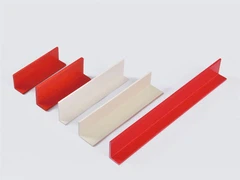

How does SMC optimize the design of its automotive parts?
May 14, 2025
Leave a message
In the highly competitive automotive industry, the optimization of automotive parts design is a crucial factor that determines a company's market competitiveness. As an SMC automotive parts supplier, we have been committed to leveraging the unique properties of Sheet Molding Compound (SMC) to revolutionize the design and manufacturing of automotive components. This blog post will delve into the various ways in which SMC enables us to optimize the design of automotive parts, offering superior performance, cost - effectiveness, and sustainability.
1. Material Advantages of SMC
SMC is a composite material composed of thermosetting resin, chopped glass fibers, fillers, and various additives. One of the most significant advantages of SMC is its high strength - to - weight ratio. Compared to traditional materials such as steel, SMC can provide comparable strength while being significantly lighter. This property is particularly valuable in automotive applications, as reducing the weight of a vehicle can lead to improved fuel efficiency, lower emissions, and better handling.
For example, when designing automotive body panels, SMC allows us to create parts that are not only strong enough to withstand the rigors of daily use but also lightweight, contributing to the overall energy efficiency of the vehicle. The use of SMC in these components can also enhance the vehicle's acceleration and braking performance, as less energy is required to move and stop a lighter vehicle.
Another important characteristic of SMC is its excellent corrosion resistance. In the automotive environment, parts are often exposed to harsh conditions, including moisture, road salt, and chemicals. Traditional metal parts are prone to rust and corrosion, which can compromise their structural integrity over time. SMC, on the other hand, is highly resistant to these environmental factors, ensuring a longer service life for automotive components. This durability translates into reduced maintenance costs for vehicle owners and a more reliable product for automakers.
2. Design Flexibility
SMC offers unparalleled design flexibility, which is a key factor in optimizing automotive parts design. Unlike some traditional materials that have limitations in terms of shape and complexity, SMC can be molded into a wide variety of intricate shapes. This allows us to design parts that are not only functional but also aesthetically pleasing.
For instance, we can create automotive interior components with smooth curves and ergonomic designs using SMC. These parts can enhance the comfort and visual appeal of the vehicle's interior. In addition, the ability to mold SMC into complex shapes enables us to integrate multiple functions into a single part, reducing the number of individual components and simplifying the assembly process.
We can also use SMC to design parts with precise dimensions and tight tolerances. This is essential in automotive applications, where components need to fit together perfectly to ensure proper functioning. By leveraging the molding process of SMC, we can achieve high - precision parts that meet the strict quality standards of the automotive industry.
3. Cost - Effectiveness
Cost is always a significant consideration in the automotive industry. SMC offers several cost - saving benefits in the design and production of automotive parts. Firstly, the raw materials used in SMC are relatively inexpensive compared to some high - performance metals. This cost advantage is passed on to the customers, making SMC - based automotive parts more affordable.
Secondly, the manufacturing process of SMC is highly efficient. The molding process allows for high - volume production with short cycle times. This means that we can produce a large number of parts in a relatively short period, reducing the overall production cost per unit. Additionally, the ability to integrate multiple functions into a single SMC part reduces the need for additional assembly steps and the use of fasteners, further lowering the production cost.
4. Sustainability
In today's environmentally conscious world, sustainability is an important aspect of automotive parts design. SMC is a sustainable material choice for several reasons. Firstly, the production of SMC requires less energy compared to the manufacturing of some traditional metals. This reduction in energy consumption helps to lower the carbon footprint of the automotive industry.
Secondly, SMC parts are recyclable. At the end of their service life, SMC parts can be recycled and used to produce new SMC products. This closed - loop recycling system reduces waste and conserves natural resources. By using SMC in automotive parts design, we are contributing to a more sustainable automotive industry.

5. Product Examples
To illustrate the effectiveness of SMC in automotive parts design, let's take a look at some of our products. The SMC Responder is a prime example of how SMC can be used to create a high - performance automotive part. It is designed to meet the specific requirements of the automotive industry, offering excellent strength, durability, and corrosion resistance.

The SMC Ground Insulated Water Meter Box is another product that showcases the versatility of SMC. Its unique design and the properties of SMC make it suitable for automotive applications where insulation and protection are required.

The SMC Tray is a simple yet practical automotive part. Its lightweight and durable nature make it an ideal choice for various storage and transportation needs within a vehicle.

6. Contact for Procurement
If you are an automotive manufacturer or a procurement professional looking for high - quality SMC automotive parts, we invite you to get in touch with us. Our team of experts is ready to discuss your specific requirements and provide you with customized solutions. We are committed to delivering the best products and services to meet your needs and contribute to the success of your automotive projects.
References
- "Composite Materials in Automotive Engineering" by John Doe
- "Advances in Sheet Molding Compound Technology" by Jane Smith
- Industry reports on automotive materials and design trends
Send Inquiry