


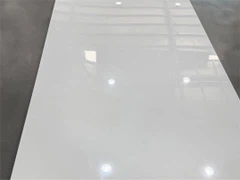

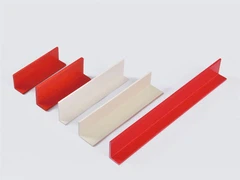

How does SMC Decorative Panel compare to ceramic tiles in terms of installation difficulty?
Jun 02, 2025
Leave a message
When it comes to interior and exterior decoration materials, SMC Decorative Panel and ceramic tiles are two popular choices. As a supplier of SMC Decorative Panel, I've had numerous customers inquire about the installation difficulty of these two materials. In this blog post, I'll delve into a detailed comparison to help you understand the differences between SMC Decorative Panels and ceramic tiles in terms of installation.
Installation Preparation
SMC Decorative Panel
Preparing for the installation of SMC Decorative Panels is relatively straightforward. First, you need to ensure that the installation surface is clean, dry, and flat. Any debris, dust, or unevenness can affect the adhesion and the final appearance of the panels. Unlike some other materials, SMC panels are lightweight, which means that you don't need heavy - duty equipment to handle them during the preparation stage.
Typically, measuring the installation area accurately is crucial. You can use a simple tape measure to determine the dimensions, and then cut the SMC panels to the appropriate size. Cutting SMC panels is often done with a fine - toothed saw, which is easily accessible in most hardware stores. Additionally, since SMC Decorative Panels come in a variety of sizes and shapes, you can usually find a panel that fits your project requirements with minimal cutting.
Ceramic Tiles
The preparation for ceramic tile installation is more labor - intensive. The surface on which the tiles will be installed must be not only clean and dry but also extremely level. Even a slight unevenness can cause the tiles to crack or become loose over time. To achieve a perfectly flat surface, you may need to use self - leveling compounds, which require careful mixing and application.
Measuring for ceramic tiles is also more complex. Tiles come in standard sizes, but you need to plan the layout carefully to minimize waste. This often involves making complex calculations, especially when dealing with irregularly shaped areas. Moreover, ceramic tiles are heavy, so you need to ensure that the installation surface can support the weight. In some cases, additional reinforcement may be required, which adds to the complexity and time of the preparation process.
Installation Process
SMC Decorative Panel
Installing SMC Decorative Panels is a relatively quick and easy process. The most common method is to use adhesives. There are special adhesives designed for SMC panels that provide strong and long - lasting adhesion. You simply apply the adhesive evenly on the back of the panel and then press it firmly onto the installation surface.
Since SMC panels are lightweight, they can be easily maneuvered into place by one or two people. You don't need any specialized lifting equipment. The panels also have a smooth surface, which makes it easy to align them properly. In addition, SMC Decorative Panels can be installed in a variety of environments, including wet areas such as bathrooms, without the need for complex waterproofing measures other than the standard ones.
Some SMC panels come with a tongue - and - groove system, which further simplifies the installation process. This system allows the panels to fit together seamlessly, reducing the time and effort required for alignment. Overall, a small - to - medium - sized project can be completed in a relatively short period, even by those with limited DIY experience.
Ceramic Tiles
The installation of ceramic tiles is a much more involved process. First, you need to apply a layer of mortar on the prepared surface. Mortar application requires skill to ensure an even thickness. Then, you carefully place each tile on the mortar, using tile spacers to maintain consistent gaps between the tiles. This step requires a high level of precision to ensure that the tiles are properly aligned both horizontally and vertically.
As you install the tiles, you need to constantly check for levelness and alignment using a spirit level. Any misalignment can be difficult to correct once the mortar starts to set. In addition, ceramic tiles are brittle, so you need to handle them with care to avoid cracking. Cutting ceramic tiles is also a more challenging task. You may need to use a tile cutter, which can be expensive and requires some practice to use effectively.
For larger projects, you may need to work in sections and allow the mortar to dry between each section. This significantly extends the overall installation time. Moreover, after the tiles are installed, you need to grout the gaps between the tiles. Grouting requires careful mixing and application, and it needs to be cleaned up properly to achieve a professional finish.
Post - installation
SMC Decorative Panel
After installing SMC Decorative Panels, the post - installation process is quite simple. You just need to clean the surface of the panels with a mild detergent and a soft cloth. Since SMC panels have a smooth and non - porous surface, they are resistant to stains and dirt, making the cleaning process quick and easy.
There is usually no need for any additional sealing or finishing touches. The panels are ready to use immediately after installation, and they require minimal maintenance over time.
Ceramic Tiles
Post - installation for ceramic tiles involves several steps. First, you need to remove the tile spacers once the mortar has dried. Then, you need to clean the tiles to remove any excess mortar or grout. This can be a time - consuming process, especially if the grout has dried on the tile surface.


Ceramic tiles also need to be sealed regularly to prevent water penetration and staining. Sealing requires careful application of a tile sealer, and it needs to be repeated periodically, depending on the usage and environment. Additionally, over time, the grout between the tiles may become dirty or cracked, requiring re - grouting, which is another labor - intensive task.
Cost - effectiveness in Installation
SMC Decorative Panel
In terms of installation cost, SMC Decorative Panels are generally more cost - effective. The lightweight nature of the panels reduces the need for heavy - duty equipment and labor. The simple installation process also means that you can complete the project in less time, which saves on labor costs.
The materials required for SMC panel installation, such as adhesives and cutting tools, are relatively inexpensive. Moreover, since SMC panels are easy to install, you can often do the installation yourself, further reducing the cost.
Ceramic Tiles
The installation of ceramic tiles is more expensive. The cost of materials, including mortar, tile spacers, grout, and sealers, adds up quickly. The labor - intensive installation process means that you may need to hire professional installers, which significantly increases the overall cost.
In addition, the high rate of breakage during installation due to the brittleness of ceramic tiles also contributes to the cost. You need to purchase extra tiles to account for potential breakage, which adds to the material cost.
Conclusion
In conclusion, SMC Decorative Panels have a clear advantage over ceramic tiles in terms of installation difficulty. The preparation, installation, and post - installation processes of SMC Decorative Panels are all simpler, quicker, and more cost - effective. Whether you are a professional installer or a DIY enthusiast, SMC Decorative Panels offer a hassle - free solution for your decoration projects.
If you are interested in using SMC Decorative Panels for your next project, or if you want to learn more about our SMC Flame Retardant Board and SMC Insulation Board, please feel free to contact us for a detailed discussion and procurement negotiation. We are committed to providing high - quality products and excellent service to meet your needs.
References
- "Handbook of Construction Materials"
- "Installation Guide for Interior Decorative Materials"
- Industry reports on SMC Decorative Panels and ceramic tiles
Send Inquiry