




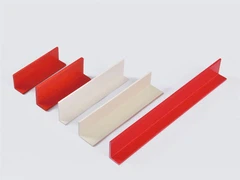

Do SMC Trays have a smooth or rough surface?
Aug 27, 2025
Leave a message
Do SMC Trays have a smooth or rough surface?
As a supplier of SMC (Sheet Molding Compound) Trays, I often get asked about the nature of the surface of these trays - whether they are smooth or rough. This question is not just a matter of curiosity; it has significant implications for the functionality, usability, and application of SMC Trays.
Understanding SMC Trays
SMC Trays are made from Sheet Molding Compound, a composite material consisting of thermosetting resin, glass fibers, fillers, and various additives. The manufacturing process of SMC Trays involves compression molding, where the SMC material is placed in a mold and then subjected to high pressure and temperature. This process allows for the creation of trays with precise dimensions and complex shapes.
SMC Trays have found wide - ranging applications in different industries. They are commonly used in the electronics industry for handling and transporting electronic components, in the automotive industry for storing small parts during assembly, and in the food and pharmaceutical industries for packaging and handling products.
The Surface Characteristics of SMC Trays
The surface of SMC Trays can vary depending on several factors, including the manufacturing process, the type of additives used, and the intended application.
Smooth Surfaces
In many cases, SMC Trays can have a smooth surface. A smooth surface is often desirable for several reasons.
Firstly, in the electronics industry, a smooth surface is crucial to prevent damage to delicate electronic components. When handling small and sensitive parts such as microchips or circuit boards, a rough surface could scratch or damage these components, leading to product defects. A smooth SMC Tray ensures that the components can be safely placed and transported without any risk of abrasion.
Secondly, smooth surfaces are easier to clean. In industries where hygiene is of utmost importance, such as the food and pharmaceutical industries, easy - to - clean surfaces are essential. A smooth SMC Tray can be quickly wiped down or washed, removing any contaminants or residues. This helps to maintain the quality and safety of the products stored in the trays.

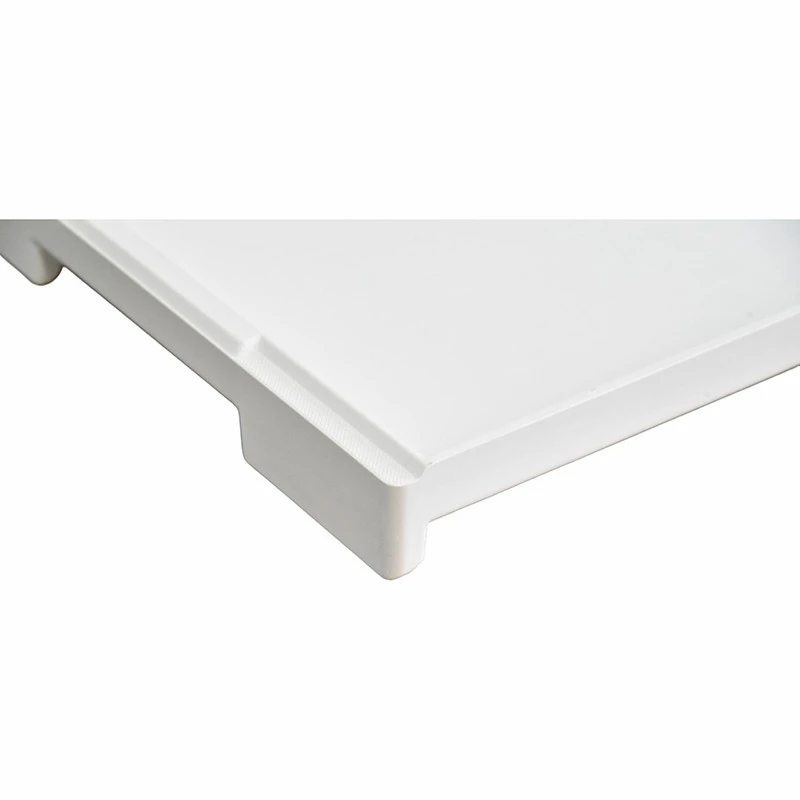
The manufacturing process can be adjusted to achieve a smooth surface. For example, using a high - quality mold with a polished finish can transfer that smoothness to the SMC Tray. Additionally, certain additives can be incorporated into the SMC material to enhance the surface smoothness. These additives can improve the flow of the material during the molding process, resulting in a more uniform and smooth surface.
Rough Surfaces
On the other hand, there are also situations where a rough surface is beneficial.
In the automotive industry, for instance, a rough surface can provide better grip. When storing small parts during the assembly process, a tray with a rough surface can prevent the parts from sliding around. This is especially important when the trays are being moved or jostled on the assembly line. The rough surface creates friction between the tray and the parts, keeping them in place and reducing the risk of damage or misplacement.
Moreover, in some industrial applications where the trays are exposed to harsh environments, a rough surface can be more durable. A rough surface can better withstand abrasion and wear compared to a smooth surface. For example, if the trays are used in a manufacturing process where they come into contact with abrasive materials or tools, the rough surface can resist damage and have a longer service life.
The roughness of the surface can be controlled during the manufacturing process. By using a mold with a textured surface, the desired level of roughness can be transferred to the SMC Tray. Additionally, the type and amount of fillers in the SMC material can also affect the surface roughness. Coarser fillers can result in a rougher surface.
Comparing Smooth and Rough SMC Trays
When deciding between a smooth or rough SMC Tray, it is important to consider the specific requirements of the application.
In terms of cost, smooth SMC Trays may be more expensive to produce. The process of achieving a smooth surface often requires more precise manufacturing techniques and higher - quality molds. The use of additives to enhance smoothness can also add to the cost. On the other hand, rough SMC Trays can be more cost - effective, especially if they are used in applications where high - precision surface finish is not required.
In terms of functionality, as mentioned earlier, smooth trays are better for handling delicate items and maintaining hygiene, while rough trays are more suitable for applications where grip and durability are important.
Our SMC Tray Offerings
As an SMC Tray supplier, we understand the diverse needs of our customers. That's why we offer both smooth and rough surface SMC Trays. Our smooth SMC Trays are manufactured with the highest precision, using state - of - the - art molds and high - quality additives to ensure a flawless surface finish. These trays are ideal for industries such as electronics, food, and pharmaceuticals.
Our rough surface SMC Trays, on the other hand, are designed to provide maximum grip and durability. They are suitable for automotive and other industrial applications where parts need to be securely held in place and the trays need to withstand harsh conditions.
If you are interested in our SMC Tray, we also offer related SMC products such as SMC Gutter Groove Water Grate and SMC Caopenjing.
Contact Us for Procurement
If you are in the market for SMC Trays and are trying to decide between a smooth or rough surface, we are here to help. Our team of experts can provide you with detailed information about our products, answer your questions, and assist you in choosing the right SMC Tray for your specific application. We invite you to contact us for a procurement discussion and explore how our SMC Trays can meet your needs.
References
- "Composite Materials Handbook" byASM International
- "Molding Processes for Polymer - Matrix Composites" by Springer
Send Inquiry