


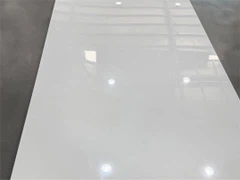



Do flame retardant ceilings need to be replaced regularly?
Jun 02, 2025
Leave a message
Do flame retardant ceilings need to be replaced regularly? This is a question that often comes up in the building industry and among property owners. As a supplier of flame retardant ceilings, I've encountered this query numerous times. In this blog, I'll delve into the factors that determine whether regular replacement is necessary, the benefits of flame retardant ceilings, and how to make an informed decision.
The Importance of Flame Retardant Ceilings
Flame retardant ceilings play a crucial role in enhancing fire safety in buildings. They are designed to slow down the spread of fire and reduce the intensity of flames, giving occupants more time to evacuate safely. These ceilings are commonly used in commercial buildings, public spaces, and residential properties, especially in areas where fire risks are relatively high.
There are different types of flame retardant ceilings available in the market. For instance, Fireproof Ceiling is a popular choice. It is engineered to withstand high temperatures and prevent the rapid spread of fire. Another option is the GRP Ceiling, which is made of glass-reinforced plastic and offers excellent fire resistance properties. Additionally, the GFK Antibacterial Board not only provides flame retardancy but also has antibacterial features, making it suitable for environments where hygiene is a priority.
Factors Affecting the Need for Regular Replacement
1. Material Quality
The quality of the flame retardant ceiling material is a significant factor. High - quality materials are more durable and less likely to degrade over time. For example, if a ceiling is made from premium - grade fire - resistant composites, it can maintain its flame retardant properties for a longer period compared to a lower - quality alternative. Cheaper materials may start to lose their effectiveness after a few years due to factors such as chemical breakdown or physical wear.
2. Environmental Conditions
The environment in which the ceiling is installed also plays a crucial role. In areas with high humidity, the ceiling may be more prone to mold growth, which can damage the material and potentially reduce its flame retardant capabilities. Extreme temperatures, both hot and cold, can also cause the material to expand and contract, leading to cracks and structural damage. For instance, in industrial settings where there are constant temperature fluctuations and exposure to chemicals, the ceiling may need to be replaced more frequently.
3. Usage and Maintenance
The level of usage and the quality of maintenance can greatly impact the lifespan of a flame retardant ceiling. In a busy commercial building with a lot of foot traffic and regular activities, the ceiling may be subject to more wear and tear. Dust, dirt, and debris can accumulate on the ceiling, and if not cleaned regularly, it can affect the material's performance. On the other hand, proper maintenance, such as regular inspections and cleaning, can extend the life of the ceiling.
Signs That a Flame Retardant Ceiling Needs Replacement
1. Physical Damage
Visible signs of physical damage, such as cracks, holes, or warping, are clear indicators that the ceiling may need to be replaced. Cracks can compromise the integrity of the flame retardant layer, allowing fire to spread more easily. Holes can expose the underlying structure to flames, increasing the fire risk.
2. Loss of Flame Retardant Properties
Over time, the flame retardant chemicals in the ceiling material may break down. If a fire safety inspection reveals that the ceiling no longer meets the required fire safety standards, it is a strong indication that replacement is necessary. Some advanced testing methods can determine the remaining flame retardant effectiveness of the ceiling.
3. Aesthetic Degradation
Although not directly related to fire safety, severe aesthetic degradation can also be a reason for replacement. A ceiling that looks old, dirty, or damaged can have a negative impact on the overall appearance of a building. In commercial settings, this can affect the perception of customers and clients.
Benefits of Regular Replacement
1. Enhanced Fire Safety
Replacing a flame retardant ceiling at the appropriate time ensures that the building remains protected against fire hazards. Newer ceiling materials often incorporate the latest fire - resistant technologies, providing better protection than older ones.
2. Improved Aesthetics
A new ceiling can give a fresh and modern look to a space. This is particularly important in commercial buildings where the appearance can influence business operations and customer satisfaction.
3. Compliance with Regulations
Building codes and fire safety regulations are constantly evolving. By replacing the ceiling regularly, property owners can ensure that their buildings remain compliant with the latest standards, avoiding potential fines and legal issues.
Making an Informed Decision
To determine whether a flame retardant ceiling needs to be replaced regularly, property owners should consider conducting regular inspections. These inspections can be carried out by professional fire safety experts who can assess the condition of the ceiling and its flame retardant properties. They can also provide advice on the appropriate replacement schedule based on the specific circumstances of the building.

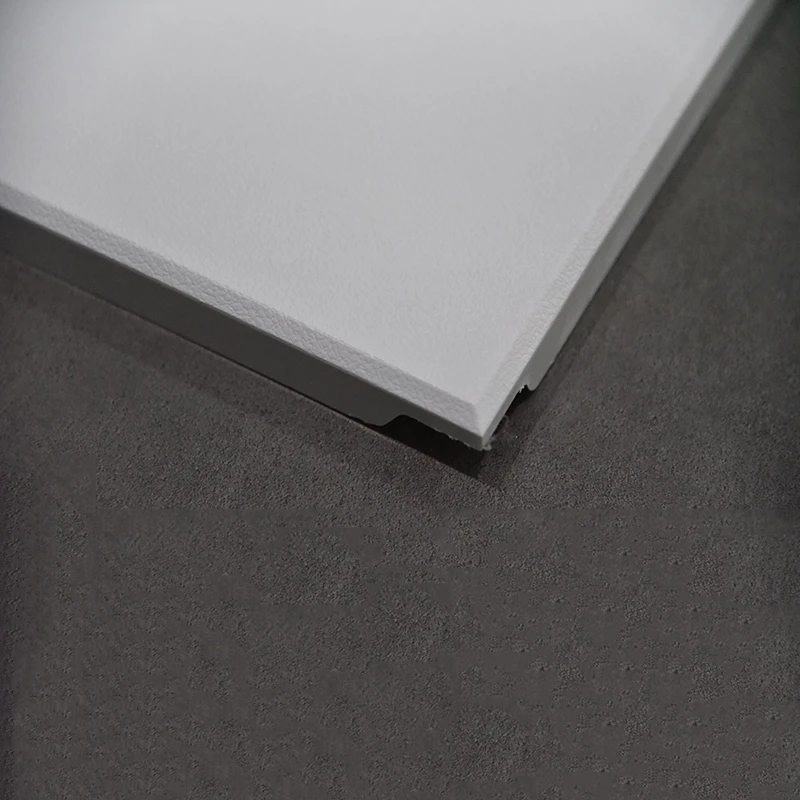
In general, if a flame retardant ceiling is in a well - maintained environment, made of high - quality materials, and shows no signs of damage or degradation, it may not need to be replaced for a long time. However, in high - risk environments or if the ceiling is approaching the end of its expected lifespan, replacement should be seriously considered.
Conclusion
In conclusion, the need for regular replacement of flame retardant ceilings depends on various factors, including material quality, environmental conditions, usage, and maintenance. While not all flame retardant ceilings need to be replaced regularly, it is essential to monitor their condition closely. By being aware of the signs that indicate replacement is necessary and understanding the benefits of timely replacement, property owners can ensure the safety and functionality of their buildings.
If you are interested in learning more about our flame retardant ceilings or have any questions regarding their installation, maintenance, or replacement, we encourage you to contact us for a detailed discussion. Our team of experts is ready to assist you in making the best decisions for your fire safety needs.
References
- "Fire Safety in Buildings: A Comprehensive Guide" - A publication on building fire safety standards and practices.
- "Materials Science for Construction" - A textbook on the properties and performance of construction materials, including flame retardant materials.
- Industry reports on the durability and lifespan of different types of flame retardant ceilings.
Send Inquiry