




Can the SMC Fan Casing be used in hot climates?
Dec 16, 2025
Leave a message
Hey there! As a supplier of SMC Fan Casing, I've had quite a few customers asking me whether our SMC Fan Casing can be used in hot climates. Well, let's dig into this topic and find out.
First off, let's talk about what SMC is. SMC stands for Sheet Molding Compound. It's a composite material made up of chopped glass fibers, resin, and various additives. This material has some really cool properties that make it a great choice for fan casings.
One of the key advantages of SMC is its excellent heat resistance. The resin used in SMC has a high melting point, which means it can withstand high temperatures without deforming or losing its structural integrity. In hot climates, where temperatures can soar, this heat resistance is crucial. For example, in desert regions where temperatures can reach over 50 degrees Celsius (122 degrees Fahrenheit), a fan casing made of a material that can't handle the heat would quickly start to warp or break down. But our SMC Fan Casing is built to last, even in these extreme conditions.
Another important factor is the mechanical strength of SMC. In hot climates, the air can be very dry, which can cause some materials to become brittle over time. However, SMC's composition gives it good mechanical strength. The chopped glass fibers act as a reinforcement, making the casing tough and durable. This means that even if there are sudden temperature changes or strong winds, the fan casing can hold up well. It won't crack or shatter easily, ensuring that the fan can continue to operate safely and efficiently.
Now, let's look at the electrical properties of SMC. In many applications, fans are used in electrical systems. SMC has good electrical insulation properties, which is essential for preventing electrical shorts and ensuring the safety of the equipment. You can check out more about SMC's electrical insulation on this page about SMC Insulating Spacer. This insulation property is especially important in hot climates, where the high temperatures can sometimes affect the electrical conductivity of materials. With SMC, you can be confident that the fan casing will provide reliable electrical insulation, even in the heat.
In addition to its heat and electrical properties, SMC is also resistant to corrosion. In hot and humid climates, moisture in the air can cause metal parts to rust and corrode. But SMC doesn't have this problem. It's not affected by moisture in the same way as metal, so it can maintain its appearance and performance over time. This is a big plus for fan casings, as it means less maintenance and a longer lifespan. You can learn more about SMC's insulation resistance on the page about SMC Insulation Board Sheet Insulation Resistance.
However, it's not all perfect. There are a few things to keep in mind when using SMC Fan Casing in hot climates. For example, although SMC has good heat resistance, extremely high temperatures for a long period of time can still have some impact. If the temperature is constantly above the recommended limit for SMC, it might start to experience some minor changes in its properties. But as long as the operating temperature is within the normal range, this shouldn't be a big issue.
Also, proper installation is crucial. In hot climates, the expansion and contraction of materials due to temperature changes can be more significant. So, when installing the SMC Fan Casing, it's important to leave some room for expansion. This will prevent any stress on the casing that could lead to cracking or other damage.
To sum it up, our SMC Fan Casing is definitely suitable for use in hot climates. Its heat resistance, mechanical strength, electrical insulation, and corrosion resistance make it a great choice for fans operating in these conditions. Whether it's in a desert, a tropical region, or any other hot area, our SMC Fan Casing can do the job.
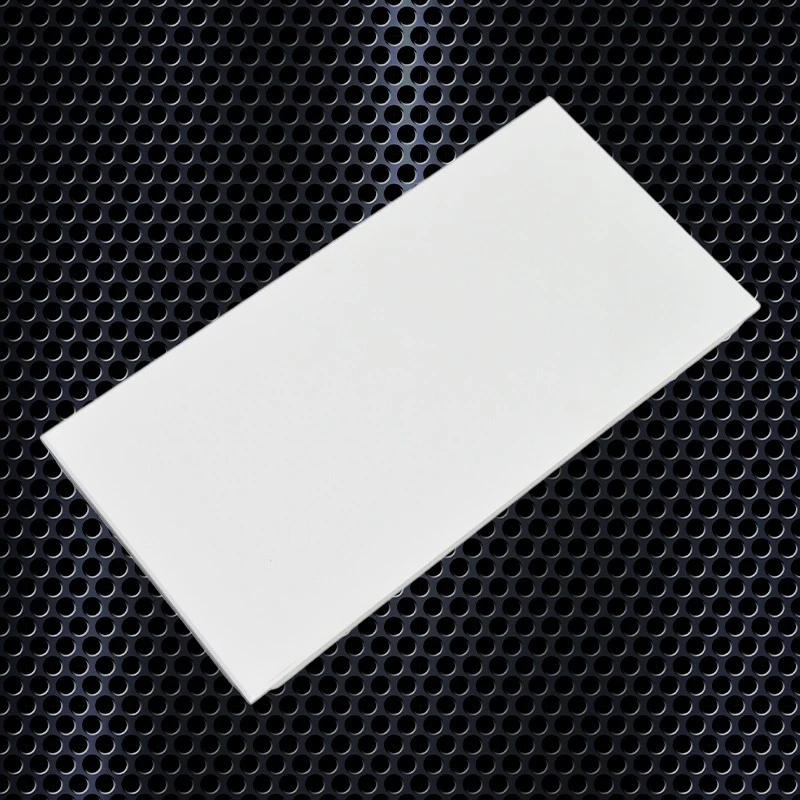

If you're in the market for high - quality SMC Fan Casing, don't hesitate to reach out for a procurement discussion. We can talk about your specific needs, the quantity you require, and the best solutions for your applications. You can also find more details about the flame retardant and water absorption rate of SMC on the page about SMC White Insulation Sheet Flame Retardant Water Absortion Rate.
References
- General knowledge about SMC materials and their properties in high - temperature environments.
- Industry standards and research on composite materials for fan casings.
Send Inquiry