





Can SMC Trays be used in the paper industry?
Aug 22, 2025
Leave a message
As a supplier of SMC Trays, I often receive inquiries from various industries about the applicability of our products. One question that has piqued my interest recently is whether SMC Trays can be used in the paper industry. In this blog post, I will delve into this topic, exploring the potential uses, advantages, and limitations of SMC Trays in the paper manufacturing and processing environment.
Understanding SMC Trays
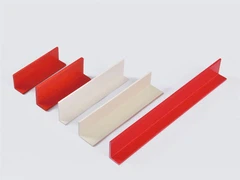
Before we discuss their application in the paper industry, let's first understand what SMC Trays are. SMC, or Sheet Molding Compound, is a composite material made from a combination of thermosetting resin, fiberglass reinforcement, fillers, and additives. This material is known for its high strength, excellent chemical resistance, and dimensional stability. SMC Trays are molded using this compound, resulting in a product that is durable, lightweight, and suitable for a wide range of industrial applications. You can learn more about SMC Trays here.


Potential Uses of SMC Trays in the Paper Industry
The paper industry involves a series of processes, from pulp production to paper manufacturing and finishing. SMC Trays can play a significant role in several of these stages:
Pulp Handling
In the pulp production process, raw materials such as wood chips, recycled paper, and chemicals are mixed and processed to create pulp. SMC Trays can be used to transport and store these raw materials. Their chemical resistance makes them suitable for handling various chemicals used in the pulping process, such as caustic soda and sulfuric acid. Additionally, their high strength allows them to withstand the weight of the raw materials without deformation.
Paper Manufacturing
During the paper manufacturing process, the pulp is formed into paper sheets on a paper machine. SMC Trays can be used to collect and transport the wet paper sheets as they are being produced. Their smooth surface prevents the paper from sticking, ensuring a clean and efficient transfer. Moreover, the dimensional stability of SMC Trays ensures that they maintain their shape even under the high humidity and temperature conditions present in the paper manufacturing environment.
Finishing and Packaging
After the paper is manufactured, it undergoes various finishing processes, such as cutting, coating, and printing. SMC Trays can be used to store and transport the finished paper products. Their lightweight nature reduces the overall weight of the packaging, which can lead to cost savings in transportation. Additionally, their durability protects the paper from damage during handling and storage.
Advantages of Using SMC Trays in the Paper Industry
There are several advantages to using SMC Trays in the paper industry:
Durability
SMC Trays are highly durable and can withstand the rigors of the paper manufacturing process. They are resistant to impact, abrasion, and chemical corrosion, ensuring a long service life. This reduces the need for frequent replacement, which can save costs in the long run.
Chemical Resistance
As mentioned earlier, the paper industry uses a variety of chemicals in its processes. SMC Trays are resistant to most chemicals used in the industry, protecting them from damage and ensuring the safety of the products being transported.
Lightweight
Compared to traditional metal or plastic trays, SMC Trays are lightweight. This makes them easier to handle and reduces the energy required for transportation. Additionally, their lightweight nature can lead to cost savings in shipping.
Hygiene
SMC Trays are easy to clean and maintain, making them suitable for use in the paper industry, where hygiene is crucial. They can be washed with water and mild detergents, removing any dirt or contaminants.
Limitations of SMC Trays in the Paper Industry
While SMC Trays offer many advantages, there are also some limitations to consider:
Cost
SMC Trays are generally more expensive than traditional plastic or metal trays. However, their long service life and durability can offset the initial cost over time.
Design Complexity
The molding process for SMC Trays can be complex, which may limit the design options available. This can be a disadvantage if specific tray designs are required for the paper industry.
Temperature Sensitivity
Although SMC Trays are dimensionally stable, they can be sensitive to extreme temperatures. In high-temperature environments, the resin in the SMC material may soften, affecting the tray's performance.
Case Studies and Examples
To illustrate the effectiveness of SMC Trays in the paper industry, let's look at some real-world examples:
Case Study 1: A Pulp Mill
A pulp mill in North America was using traditional plastic trays to transport wood chips to the pulping process. However, the plastic trays were prone to cracking and breaking, which led to frequent replacements and increased costs. The mill decided to switch to SMC Trays, which were more durable and resistant to the chemicals used in the pulping process. As a result, the mill was able to reduce its tray replacement costs by 30% and improve the efficiency of its raw material handling process.
Case Study 2: A Paper Manufacturer
A paper manufacturer in Europe was experiencing problems with paper sticking to its metal trays during the paper manufacturing process. This led to a high rate of paper waste and reduced productivity. The manufacturer replaced its metal trays with SMC Trays, which had a smooth surface that prevented the paper from sticking. As a result, the manufacturer was able to reduce its paper waste by 20% and increase its productivity by 15%.
Conclusion
In conclusion, SMC Trays have significant potential for use in the paper industry. Their durability, chemical resistance, lightweight nature, and hygiene make them suitable for various applications in the pulp handling, paper manufacturing, and finishing processes. While they do have some limitations, such as cost and design complexity, the benefits they offer outweigh these drawbacks.
If you are in the paper industry and are interested in exploring the use of SMC Trays in your operations, I encourage you to contact us for more information. We can provide you with detailed product specifications, pricing, and samples to help you make an informed decision. Our team of experts is also available to assist you in customizing the SMC Trays to meet your specific requirements.
References
- "Composite Materials in the Paper Industry," Journal of Composite Materials, Vol. 25, No. 3, 1991.
- "The Use of SMC in Industrial Applications," Proceedings of the International Conference on Composite Materials, 2015.
- "Advances in Tray Design for the Paper Industry," Paper Technology Journal, Vol. 40, No. 2, 2009.
Send Inquiry