





Can GRP Ceiling be used in residential buildings?
Aug 20, 2025
Leave a message
Hey there! As a supplier of GRP (Glass Reinforced Plastic) ceilings, I often get asked whether GRP ceilings can be used in residential buildings. Well, let's dive right into it and explore this topic in detail.
What is GRP Ceiling?
First off, let's quickly go over what GRP ceiling is. GRP is a composite material made of glass fibers and a plastic resin. This combination gives it some really cool properties. It's lightweight, yet strong, which makes it easy to handle during installation. Plus, it can be molded into various shapes and designs, so you're not stuck with a boring, plain ceiling.
Advantages of Using GRP Ceiling in Residential Buildings
Aesthetic Appeal
One of the biggest perks of GRP ceilings is their aesthetic flexibility. You can have smooth, seamless finishes that give your home a modern and sleek look. Or, if you're going for a more traditional or ornate style, GRP can be molded to mimic the look of plaster or wood. This means you can customize your ceiling to match the overall decor of your home. Whether you're into minimalist, industrial, or rustic styles, GRP has got you covered.
Durability
GRP ceilings are tough cookies. They're resistant to scratches, dents, and impacts. So, if you have kids or pets running around the house, you don't have to worry about them accidentally damaging the ceiling. Also, GRP is resistant to moisture and humidity. This is especially important in areas like bathrooms and kitchens, where moisture levels are high. Unlike some other ceiling materials, GRP won't warp, rot, or grow mold over time.
Easy Installation and Maintenance
Installing a GRP ceiling is a breeze compared to some other ceiling materials. It's lightweight, so it's easier to handle and install, which can save you time and money on labor costs. And when it comes to maintenance, all you need to do is wipe it down with a damp cloth to keep it looking clean. There's no need for special cleaning products or complicated maintenance routines.
Cost - Effective
GRP ceilings are generally more affordable than some high - end ceiling materials like marble or real wood. You can get a high - quality, stylish ceiling at a fraction of the cost. This makes it a great option for homeowners on a budget who still want to upgrade the look of their homes.
Potential Concerns and How to Address Them
Fire Safety
Some people might be worried about the fire safety of GRP ceilings. However, modern GRP ceilings can be manufactured to be fire - resistant. For more information on fire - resistant options, you can check out our Fireproof Ceiling page. These fire - resistant GRP ceilings meet strict safety standards and can provide an extra layer of protection for your home.
Sound Insulation
While GRP ceilings do offer some level of sound insulation, it might not be as good as some specialized sound - proofing materials. If sound insulation is a major concern for you, you can consider adding an additional layer of insulation behind the GRP ceiling. This can help reduce noise transmission between rooms.
Comparison with Other Ceiling Materials
SMC Ceiling
You might have heard of SMC Ceiling. SMC (Sheet Molding Compound) ceilings are also a popular choice for residential buildings. Both GRP and SMC ceilings are lightweight and durable. However, GRP ceilings tend to be more flexible in terms of design. You can create more intricate and detailed shapes with GRP compared to SMC.
GFK Antibacterial Board
GFK Antibacterial Board is another option. GFK boards are known for their antibacterial properties, which can be great for areas like kitchens and bathrooms. GRP ceilings can also be treated to have antibacterial properties, but the manufacturing process might be a bit different. In terms of appearance, GRP offers more design options, while GFK boards are more focused on functionality.
Where to Use GRP Ceiling in a Residential Building
Living Rooms
In the living room, a GRP ceiling can add a touch of elegance. You can choose a design that complements the furniture and color scheme of the room. For example, a smooth, white GRP ceiling can create a bright and airy feel, while a textured or patterned GRP ceiling can add some visual interest.
Bedrooms
Bedrooms are all about creating a relaxing and comfortable environment. A GRP ceiling can contribute to this by providing a clean and stylish look. You can also choose a design that has a calming effect, like a soft, cloud - like pattern.
Bathrooms and Kitchens
As mentioned earlier, GRP's resistance to moisture makes it an ideal choice for bathrooms and kitchens. You can install a GRP ceiling in these areas without having to worry about water damage or mold growth.
Conclusion
So, can GRP ceiling be used in residential buildings? Absolutely! It offers a great combination of aesthetics, durability, ease of installation, and cost - effectiveness. With the right design and proper installation, a GRP ceiling can transform the look of your home.
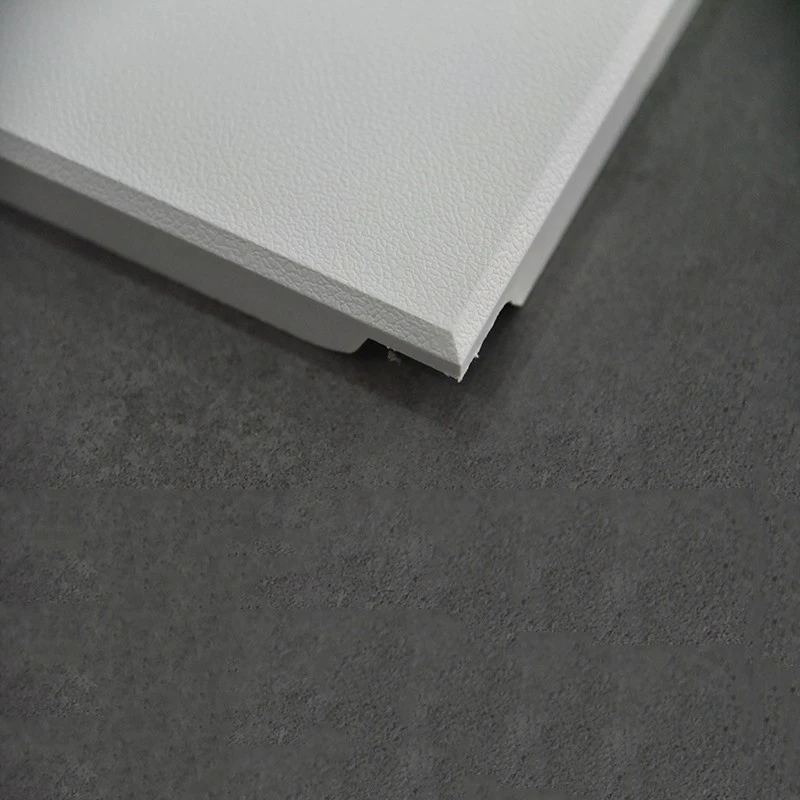

If you're interested in using GRP ceilings in your residential building, I'd love to have a chat with you. We can discuss your specific needs, design ideas, and get you a quote. Don't hesitate to reach out and start the conversation about upgrading your home with a beautiful GRP ceiling.
References
- General knowledge about GRP materials and their applications in construction.
- Industry reports on ceiling materials for residential buildings.
Send Inquiry