






Are there any prerequisites for installing SMC Responder?
Jul 31, 2025
Leave a message
Hey there! As a supplier of SMC Responder, I often get asked about the prerequisites for installing this nifty device. So, I thought I'd sit down and write a blog post to clear up any confusion.
First off, let's talk about what SMC Responder is. It's a high - tech device that plays a crucial role in various industries. Whether you're dealing with SMC Caopenjing, SMC Septic Tank, or SMC Automotive Parts, SMC Responder can enhance the efficiency and performance of these products.
Technical Prerequisites
Power Supply
One of the most basic prerequisites is a stable power supply. SMC Responder needs a specific voltage and current to function properly. Usually, it operates on a standard AC power supply, but you need to make sure the voltage is within the recommended range. For instance, most SMC Responders work well with a 110 - 240V AC power source. If the power supply is unstable, it can lead to malfunctions, inaccurate readings, or even damage to the device. You might want to use a voltage stabilizer if your area has frequent power fluctuations.
Environmental Conditions
The environment where you install the SMC Responder matters a lot. It should be installed in a place with a moderate temperature and humidity. Extreme temperatures can affect the internal components of the device. High humidity can cause corrosion, while very low humidity might lead to static electricity issues. Generally, the ideal temperature range for SMC Responder installation is between 5°C and 40°C, and the relative humidity should be between 20% and 80%. Also, avoid installing it in areas with excessive dust, as dust can clog the ventilation holes and cause overheating.
Space Requirements
SMC Responder needs enough space for proper installation and ventilation. It should be installed in an area where there is easy access for maintenance and inspection. You need to leave at least a few inches of clearance around the device to ensure good air circulation. If it's installed in a cabinet or an enclosure, make sure the cabinet is well - ventilated. A cramped space can cause the device to overheat, which will shorten its lifespan and affect its performance.
Software and Connectivity Prerequisites
Operating System Compatibility
Before installing SMC Responder, you need to check its compatibility with your operating system. Most modern SMC Responders are designed to be compatible with a wide range of operating systems, including Windows, Linux, and macOS. However, you should still double - check the product manual to make sure. If your operating system is too old, you might need to upgrade it to ensure seamless integration with the SMC Responder.
Network Connectivity
If your SMC Responder is a network - enabled device, you need to have a stable network connection. It can be either a wired Ethernet connection or a wireless Wi - Fi connection. For a wired connection, make sure you have a working Ethernet cable and a router with available ports. For a wireless connection, you need to know the Wi - Fi network name (SSID) and password. A poor network connection can result in slow data transfer, delayed responses, or even disconnections, which can be a big problem, especially if you rely on the real - time data from the SMC Responder.
Software Installation
You'll also need to install the appropriate software for the SMC Responder. The software is usually provided by the manufacturer and can be downloaded from their official website. During the software installation process, follow the instructions carefully. You might need to enter some device - specific information, such as the serial number, to activate the software. The software is essential as it allows you to configure the settings of the SMC Responder, view the data it collects, and perform various functions.
Installation and Safety Prerequisites
Installation Tools
To install the SMC Responder, you'll need some basic tools. These might include a screwdriver, a drill (if you need to mount it on a wall), and wire strippers. Make sure you have the right size and type of tools. Using the wrong tools can damage the device or make the installation process more difficult.
Safety Precautions
Safety should always be a top priority. Before starting the installation, make sure you turn off the power supply to avoid electric shock. If you're installing it in a high - risk area, such as near water or in an industrial setting, you might need to wear appropriate safety gear, like gloves and safety glasses. Also, follow all the safety instructions provided in the product manual.
Training Prerequisites
Operator Training
Even if the installation process is straightforward, it's important that the operators who will be using the SMC Responder are properly trained. They should know how to operate the device, read the data it provides, and perform basic troubleshooting. The manufacturer usually offers training programs, either online or in - person. Operator training is crucial to ensure the device is used to its full potential and to avoid any unnecessary mistakes.
In conclusion, there are several prerequisites for installing SMC Responder, including technical, software, and training aspects. By meeting these prerequisites, you can ensure that your SMC Responder works smoothly and efficiently, providing accurate data and reliable performance.
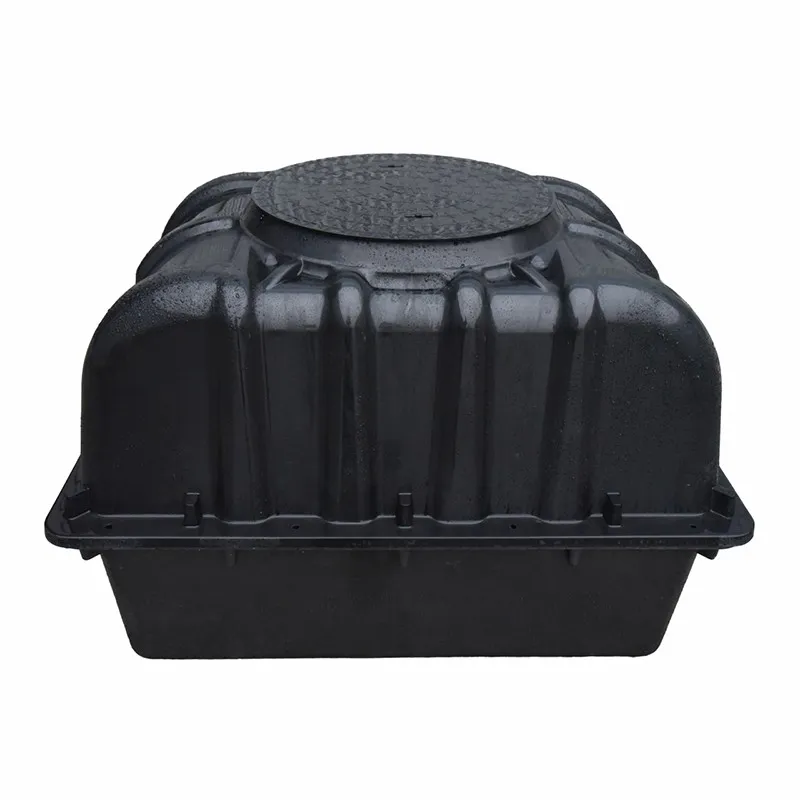

If you're interested in purchasing SMC Responder or have any questions about its installation or operation, feel free to reach out. We're here to help you make the most of this great device. Whether you're working on SMC Caopenjing, SMC Septic Tank, or SMC Automotive Parts, our SMC Responder can be a valuable addition to your setup. Contact us for more information and let's start a great business relationship!
References
- Product Manual of SMC Responder
- Industry Standards for Electronic Device Installation
Send Inquiry