




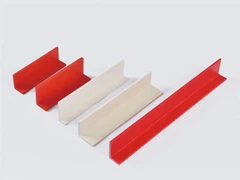


BMC materials are used in the electrical industry
Nov 10, 2024
Leave a message
Electrical components require high heat resistance, good surface quality, and aesthetics, so they are traditionally manufactured with metals, binders, coatings, or thermoplastics. Bulk molding compounds (BMCs) provide essential properties for appliance production. Recognized for its durability in harsh environments and hailed as a material that "withstands heat", the electrical industry is no stranger to it, and the decorative parts produced with it are very popular. With the help of modern formulations, tooling and process technologies, shiny dark parts can be designed and mass-produced. Compared to thermoplastics and coated binders, bulk molding compounds offer an excellent price/performance ratio.
Engineering thermoplastics meet the specific color and heat resistance requirements of the appliance industry while eliminating scratches caused by secondary painting operations. By saving these secondary operations, production efficiency and profits are greatly improved. While thermoplastics already meet the required properties at high temperatures, they are often too expensive, and the cost of materials can negate the potential profits.
A product made from a bulk molding compound
Bulk molding compounds (BMCs) are polyester-based thermoset compounds that can be injection molded or compressed. Traditionally, bulk molding compounds have been used to shape components that require excellent electrical, architectural, corrosion or thermal resistance. For a long time, it was mainly limited to the production of invisible or "running" parts of appliances, such as brush holders, armature bushings and motor holders. Bulk molding compounds are frequently used in the production of electrical (circuit breaker) components and automotive (bonnet and headlamp) components.
Bulk molding compounds are moldable products, so they can be built in complex structures, and parts can be combined for greater design freedom. High surface quality can be achieved by using conventional raw materials and new chemical additives. Mold design improvements, coupled with superior molding equipment, make the bulk molding compound fully capable of meeting the aesthetic requirements of the end use.
Manufacturers of large household appliances now use bulk molding compounds for components such as vent trims, refrigerator handles, control panels, and door exteriors. The main uses in small appliances are the side panels and door handles of toast stoves, all the way to iron floors, track covers, frying pan bottoms and lids, etc. For heating, ventilation and air conditioning, it is used for humidifier seats and rotary tube drip trays.
Stainless steel appearance
For a long time, the main utensils covered with a layer of stainless steel represented the highest level of quality, durability and price, and were once dedicated to restaurants and special decorations. Companies that produce stainless steel appliances focus more on industrial food service than retail outlets. However, in the past few years, the specialized market for the retail of stainless steel products has begun to grow, thanks to the successful development of the main appliance sales force.
The widespread and highly successful use of bulk molding compounds in automotive headlights, coupled with continued penetration into the appliance market, has become an effective low-cost alternative to stainless steel. Headlamps made of bulk molding compound require several secondary operations after injection molding. The smooth and shiny base layer is fed into a metallization station and coated with a thin layer of metal (most commonly aluminum). This thin layer of metal gives it a mirror-like appearance, and the surface coating then protects the layer from metal deposits.
The same process is used to achieve a "stainless steel" appearance. The mold creates a texture with a real stainless steel look. The components produced from this mould are then vacuum-plated to obtain a long-lasting coating. The gloss of the surface coating can be customized according to the requirements of the application. A variety of metal raw materials such as bronze, brass, copper, and stainless steel can be used.
A cost comparison between stainless steel and bulk molding compounds and their secondary processing shows that the use of bulk molding compounds can result in cost savings of about 40 percent. Due to the growing popularity of stainless steel looks in retail establishments, major electrical equipment manufacturers have been engaged in an ongoing debate about the point of purchase: price or value. It is the responsibility of the OEM to provide competitive quality while maintaining profits. Bulk molding compounds provide a viable alternative to stainless steel coated malls.

Weight savings equals cost savings
Gas-assisted injection molding has been recognized as one of the most significant manufacturing advancements of the last 40 years. By controlling the polymer and pressure gas used in injection molding, innovators have improved the quality of plastic parts while reducing processing and material costs.
Only manufacturers of thermoplastics have experimented with gas-assisted injection molding. Recent technological breakthroughs have made a similar process possible with bulk molding compounds. Gas venting technology allows design engineers to reap the benefits of the cost savings of gas-assisted injection molding while enjoying the superior performance and low cost of bulk molding compounds. The combination of bulk molding compounds and gas venting technology enables molders and OEMs to shorten cycle times and reduce the amount of material used.
Be very careful when choosing materials to use at high temperatures. Long-term load-bearing performance at high temperatures is a key indicator. Aesthetic requirements complicate material selection, with things like color consistency, color fastness when heated, gloss factors, and stain resistance all critical.
Specific intense heat can jeopardize the physical properties of all materials, leading to "creep", relaxation, and ultimately component failure. Probably the most outstanding property these materials can offer is creep resistance.
In a heated environment, the durability of the beautiful appearance is not only due to the warping and relaxation that cause creep, but also the retention of the color. Bright white utensils need to be able to maintain color and shine under the various temperatures and contamination of the cooking environment. Food, oil, condiments and cleaning chemicals can all pose a potential threat to the aesthetics of kitchen utensils. To date, bulk molding compounds are one of the few uncoated, contaminant-resistant, dimensionally stable materials that are chemically "clean" enough to be used in environments that come into direct contact with food. In addition, it retains color in temperatures up to 500 degrees Fahrenheit (260 degrees Celsius).
Send Inquiry