




What is the tensile strength of SMC Insulation Rod?
Jul 16, 2025
Leave a message
As a supplier of SMC Insulation Rods, understanding the tensile strength of these products is crucial. Tensile strength is a fundamental mechanical property that defines the maximum amount of tensile stress a material can withstand before failure. In the context of SMC (Sheet Molding Compound) Insulation Rods, it plays a vital role in determining their performance and suitability for various applications.
What is SMC?
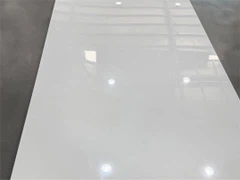
SMC is a composite material composed of thermosetting resin, chopped glass fibers, fillers, and various additives. The SMC Sheet is formed by combining these components into a sheet-like structure, which can then be molded into different shapes, including insulation rods. The unique combination of materials in SMC gives it several advantages, such as high strength, excellent electrical insulation properties, corrosion resistance, and dimensional stability.
Understanding Tensile Strength
Tensile strength is measured in units of force per unit area, typically in megapascals (MPa) or pounds per square inch (psi). To determine the tensile strength of an SMC Insulation Rod, a sample is subjected to a gradually increasing tensile force until it breaks. The maximum force applied during this test is divided by the cross-sectional area of the sample to calculate the tensile strength.
The tensile strength of SMC Insulation Rods can vary depending on several factors, including the formulation of the SMC material, the manufacturing process, and the orientation of the glass fibers within the rod. Generally, SMC Insulation Rods have a relatively high tensile strength compared to other insulating materials, making them suitable for applications where mechanical strength is required.
Factors Affecting Tensile Strength
- Glass Fiber Content and Orientation: Glass fibers are the primary reinforcing component in SMC. A higher glass fiber content generally leads to increased tensile strength. Additionally, the orientation of the glass fibers can significantly impact the mechanical properties of the rod. Aligning the fibers in the direction of the applied force can enhance the tensile strength, while random fiber orientation may result in more isotropic properties.
- Resin Matrix: The type and quality of the thermosetting resin used in the SMC formulation also affect the tensile strength. Different resins have different mechanical properties, and the choice of resin can be tailored to meet specific application requirements. For example, some resins may offer better chemical resistance, while others may provide higher strength.
- Manufacturing Process: The manufacturing process of SMC Insulation Rods can influence their tensile strength. Factors such as molding temperature, pressure, and curing time can affect the degree of cross-linking in the resin matrix and the distribution of the glass fibers. Proper control of these process parameters is essential to ensure consistent and high-quality products.
Applications of SMC Insulation Rods Based on Tensile Strength
The high tensile strength of SMC Insulation Rods makes them suitable for a wide range of applications in various industries. Some common applications include:
- Electrical Power Systems: In electrical power systems, SMC Insulation Rods are used as insulators in high-voltage equipment, such as transformers, circuit breakers, and switchgear. Their high tensile strength allows them to withstand mechanical stresses caused by vibrations, wind, and other environmental factors, ensuring the reliable operation of the electrical equipment.
- Telecommunications: In the telecommunications industry, SMC Insulation Rods are used in antenna systems and other communication equipment. Their excellent electrical insulation properties and high tensile strength make them ideal for supporting and insulating electrical components in these applications.
- Automotive and Transportation: SMC Insulation Rods are also used in the automotive and transportation industries. They can be found in vehicle electrical systems, where they provide insulation and mechanical support. Their lightweight and high strength make them a preferred choice for reducing the weight of vehicles and improving fuel efficiency.
Quality Control and Testing
As a supplier of SMC Insulation Rods, we are committed to providing high-quality products that meet or exceed industry standards. To ensure the quality of our products, we implement a comprehensive quality control system that includes raw material inspection, in-process monitoring, and final product testing.
We conduct regular tensile strength tests on our SMC Insulation Rods using state-of-the-art testing equipment. These tests are performed in accordance with international standards, such as ASTM D638 and ISO 527, to ensure accurate and reliable results. By closely monitoring the tensile strength of our products, we can identify any potential issues early on and take corrective actions to maintain consistent quality.
Comparing SMC Insulation Rods with Other Materials
When considering the use of SMC Insulation Rods, it is important to compare them with other insulating materials in terms of tensile strength and other properties. Some common insulating materials include porcelain, glass, and epoxy resin.
Compared to porcelain and glass, SMC Insulation Rods have several advantages. They are lighter in weight, which makes them easier to handle and install. They also have better resistance to impact and vibration, reducing the risk of breakage. In terms of tensile strength, SMC Insulation Rods can often match or exceed the performance of porcelain and glass, making them a more reliable choice in many applications.


Epoxy resin is another commonly used insulating material. While epoxy resin can have high tensile strength, it may be more brittle than SMC Insulation Rods. SMC Insulation Rods offer a better combination of strength and flexibility, making them more suitable for applications where mechanical stress is present.
Conclusion
In conclusion, the tensile strength of SMC Insulation Rods is an important property that determines their performance and suitability for various applications. As a supplier of SMC Insulation Rods, we understand the significance of this property and take every measure to ensure that our products meet the highest quality standards.
Our SMC Insulation Rods offer high tensile strength, excellent electrical insulation properties, and good resistance to environmental factors. They are suitable for a wide range of applications in the electrical power, telecommunications, automotive, and transportation industries.
If you are interested in learning more about our SMC Insulation Rods or have any specific requirements, please feel free to contact us for further information and to discuss potential procurement opportunities. We look forward to working with you to meet your insulation needs.
References
- ASTM D638 - Standard Test Method for Tensile Properties of Plastics
- ISO 527 - Plastics -- Determination of tensile properties
Send Inquiry