





What is the shelf life of BMC Group Material?
Nov 24, 2025
Leave a message
What is the shelf life of BMC Group Material?
As a supplier of BMC Group Material, I often get asked about the shelf life of this remarkable product. BMC, or Bulk Molding Compound, is a versatile composite material widely used in various industries for its excellent mechanical, electrical, and thermal properties. In this blog post, I'll delve into the factors that influence the shelf life of BMC Group Material and provide some practical guidance on how to maximize its usability.
Understanding BMC Group Material
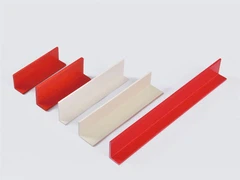
Before we discuss the shelf life, let's briefly understand what BMC Group Material is. BMC is a mixture of thermosetting resin, chopped glass fibers, fillers, and various additives. It comes in a dough-like consistency and can be molded into different shapes under heat and pressure. BMC Group Material is a high - performance variant of BMC, which offers enhanced properties and is suitable for more demanding applications. You can learn more about it on our website BMC Group Material.
Factors Affecting the Shelf Life of BMC Group Material
1. Resin Type
The type of thermosetting resin used in BMC Group Material plays a crucial role in determining its shelf life. Different resins have different chemical reactivities and stabilities. For example, polyester resins are commonly used in BMC, and they generally have a certain level of reactivity even at room temperature. Over time, the resin may start to undergo a slow curing process, which can affect the flowability and moldability of the BMC. Epoxy - based BMC, on the other hand, may have a different shelf - life characteristic due to the nature of the epoxy resin's curing mechanism.
2. Storage Conditions
Storage conditions are perhaps the most significant factor influencing the shelf life of BMC Group Material. Temperature and humidity are two key environmental factors.
- Temperature: High temperatures accelerate the chemical reactions in the BMC. If stored at elevated temperatures, the resin will cure more rapidly, reducing the material's usable life. It is recommended to store BMC Group Material in a cool environment, ideally between 10°C - 20°C (50°F - 68°F). At these temperatures, the chemical reactions in the resin are slowed down, and the material can maintain its properties for a longer period.
- Humidity: Excessive humidity can also have a negative impact on BMC. Moisture can cause the resin to hydrolyze or react with other components in the BMC, leading to changes in its physical and chemical properties. Therefore, it is essential to store BMC in a dry place with a relative humidity of less than 60%.
3. Packaging
Proper packaging is essential for preserving the quality of BMC Group Material. The packaging should protect the material from air, moisture, and light. Most BMC is supplied in sealed plastic bags or containers. These containers should be kept sealed until the material is ready to be used. If the packaging is damaged or opened, the BMC is exposed to the environment, which can significantly reduce its shelf life.
Typical Shelf Life of BMC Group Material
Under optimal storage conditions (cool temperature, low humidity, and proper packaging), the shelf life of BMC Group Material can range from 3 to 6 months. However, this is just a general estimate, and the actual shelf life can vary depending on the specific formulation of the BMC and the storage conditions.
It's important to note that as the BMC approaches the end of its shelf life, its properties may start to change. The material may become stiffer, and its flowability during the molding process may decrease. This can lead to issues such as incomplete filling of the mold, poor surface finish, and reduced mechanical properties of the final product.
How to Extend the Shelf Life of BMC Group Material
1. Follow Storage Guidelines
As mentioned earlier, storing BMC Group Material at the right temperature and humidity is crucial. If possible, use a temperature - controlled storage facility. You can also use desiccants in the storage area to reduce humidity.
2. Check Packaging Regularly
Inspect the packaging of the BMC regularly for any signs of damage. If the packaging is compromised, transfer the material to a new, sealed container as soon as possible.
3. First - In, First - Out (FIFO) Principle
When managing your inventory of BMC Group Material, follow the FIFO principle. Use the oldest stock first to ensure that the material is used within its recommended shelf life.
Applications of BMC Group Material and Shelf - Life Considerations
BMC Group Material is used in a wide range of applications, including BMC Motor Wiring Terminal and BMC Electrical Casing. In these applications, the quality and performance of the BMC are critical.
For example, in the case of BMC Motor Wiring Terminal, the electrical conductivity and mechanical strength of the terminal are essential for its proper functioning. If the BMC used to manufacture the terminal has exceeded its shelf life, it may not meet the required electrical and mechanical specifications, which can lead to safety hazards and product failures.


Similarly, for BMC Electrical Casing, the casing needs to provide reliable protection for electrical components. A BMC with degraded properties due to an expired shelf life may not be able to withstand the environmental stresses and mechanical impacts, compromising the safety and performance of the electrical system.
Conclusion
In conclusion, the shelf life of BMC Group Material is influenced by several factors, including resin type, storage conditions, and packaging. By understanding these factors and following the recommended storage and handling practices, you can maximize the shelf life of the BMC and ensure the quality of your final products.
If you are interested in purchasing high - quality BMC Group Material or have any questions about its shelf life and application, please feel free to contact us. We are committed to providing you with the best products and technical support.
References
- "Handbook of Composite Materials"
- "Thermosetting Polymers: Chemistry and Technology"
Send Inquiry