




What is the recycling process of SMC Sheet?
Jul 01, 2025
Leave a message
As an SMC Sheet supplier, I'm often asked about the recycling process of SMC Sheet. In this blog, I'll share a detailed overview of what the recycling process of SMC Sheet entails, exploring its significance, steps, and the broader implications for sustainability.
Understanding SMC Sheet
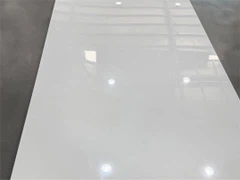
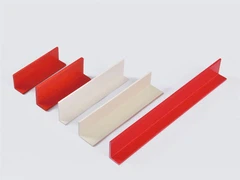
Before delving into the recycling process, it's essential to understand what SMC Sheet is. SMC, or Sheet Molding Compound, is a composite material made from a combination of polyester resin, fiberglass reinforcement, fillers, and various additives. It's known for its high strength, excellent corrosion resistance, and good electrical insulation properties. SMC Sheets are widely used in various industries, including automotive, electrical, and construction, to manufacture a range of products such as SMC Sheet, SMC Caopenjing, and SMC Ground Insulated Water Meter Box.


Significance of Recycling SMC Sheet
The recycling of SMC Sheet is of great significance for several reasons. Firstly, it helps to conserve natural resources. Since SMC Sheet contains valuable materials like fiberglass and resin, recycling allows these resources to be reused instead of being discarded. This reduces the need for virgin materials extraction, which can be environmentally damaging and energy - intensive.
Secondly, recycling SMC Sheet reduces waste sent to landfills. SMC products have a long lifespan, but eventually, they reach the end of their useful life. By recycling them, we can minimize the volume of waste that accumulates in landfills, which in turn helps to mitigate environmental pollution and the associated health risks.
Finally, from an economic perspective, recycling can lower production costs for manufacturers. Reusing recycled materials is often more cost - effective than using entirely new materials, which can make products more competitive in the market.
The Recycling Process of SMC Sheet
Collection
The first step in the recycling process is the collection of SMC Sheet waste. This can come from various sources, including manufacturing scrap generated during the production of SMC products, post - consumer waste from end - of - life SMC components, and returned or defective products. As a supplier, we play a crucial role in this stage by working with our customers to collect and gather SMC waste efficiently. We can establish collection points at our manufacturing facilities or arrange for regular pick - ups from our customers' sites.
Sorting
Once the SMC Sheet waste is collected, it needs to be sorted. Sorting is necessary because SMC waste can vary in terms of its composition, quality, and the presence of contaminants. Different types of SMC products may have different resin systems, filler contents, and levels of fiberglass reinforcement. By sorting the waste, we can separate it into different categories based on these factors. This ensures that the subsequent recycling steps are more effective and that the recycled materials meet the required quality standards.
Shredding
After sorting, the SMC Sheet waste is shredded into smaller pieces. Shredding increases the surface area of the waste, making it easier to process in the subsequent steps. Specialized shredding equipment is used to break down the SMC Sheet into particles of a suitable size, typically ranging from a few millimeters to a few centimeters. The shredded SMC particles are then ready for further treatment.
Separation
Separation is a critical step in the recycling process as it aims to separate the different components of the SMC Sheet, namely the resin, fiberglass, and fillers. There are several methods for separation, including mechanical separation, thermal separation, and chemical separation.
Mechanical separation methods use physical forces to separate the components. For example, sieving can be used to separate the larger fiberglass strands from the smaller filler particles. Gravity separation can also be employed, taking advantage of the different densities of the resin, fiberglass, and fillers.
Thermal separation involves heating the shredded SMC particles to a high temperature. At elevated temperatures, the resin in the SMC Sheet decomposes, leaving behind the fiberglass and fillers. This method can be effective in separating the components, but it requires careful control of the temperature to avoid damage to the fiberglass and excessive energy consumption.
Chemical separation uses chemical solvents to dissolve the resin, leaving the fiberglass and fillers intact. However, this method can be expensive and may pose environmental risks if the solvents are not properly managed.
Re - compounding
Once the components are separated, the recycled materials can be re - compounded. Re - compounding involves mixing the recycled fiberglass, resin, and fillers in the appropriate proportions to create a new SMC Sheet. Additives may also be added to improve the properties of the recycled SMC, such as its strength, flexibility, and resistance to environmental factors. The re - compounded SMC Sheet can then be used to manufacture new SMC products, closing the loop in the recycling process.
Quality Control in Recycling
Throughout the recycling process, quality control is essential. We need to ensure that the recycled SMC Sheet meets the same high - quality standards as the virgin SMC Sheet. This involves testing the recycled materials at various stages of the process. For example, we can test the physical properties of the shredded SMC particles, such as their density and particle size distribution. After re - compounding, we can test the mechanical properties of the new SMC Sheet, including its tensile strength, flexural strength, and impact resistance. By implementing strict quality control measures, we can guarantee that our recycled SMC products are reliable and perform well in their intended applications.
Challenges in Recycling SMC Sheet
Despite the many benefits of recycling SMC Sheet, there are also several challenges. One of the main challenges is the complexity of the SMC composition. As mentioned earlier, SMC can have a wide range of compositions, which makes it difficult to develop a one - size - fits - all recycling process. Different resin systems and filler materials require different recycling techniques, and it can be challenging to optimize the process for all types of SMC waste.
Another challenge is the presence of contaminants in the SMC waste. Contaminants such as paint, adhesives, and other foreign materials can affect the quality of the recycled materials. Removing these contaminants can be time - consuming and costly, and in some cases, it may not be possible to remove them completely.
In addition, the market demand for recycled SMC products is still relatively limited. Some manufacturers and consumers may be hesitant to use recycled SMC materials due to concerns about their quality and performance. As a supplier, we need to work on improving the perception of recycled SMC products and promoting their advantages to increase market acceptance.
Future Outlook
The future of SMC Sheet recycling looks promising. With increasing environmental awareness and stricter regulations regarding waste management, there is a growing need for sustainable recycling solutions. Research and development efforts are ongoing to improve the recycling process, making it more efficient, cost - effective, and environmentally friendly.
New technologies are being developed to address the challenges in SMC Sheet recycling. For example, advanced separation techniques are being explored to improve the separation efficiency and reduce the environmental impact. Additionally, efforts are being made to develop new applications for recycled SMC materials, which will help to increase the market demand for these products.
Contact for Purchase and Negotiation
If you're interested in learning more about our SMC Sheet products, including our recycled SMC options, or if you have any questions about the recycling process, we'd love to hear from you. We're committed to providing high - quality SMC products and promoting sustainable recycling practices. Please feel free to reach out to us for purchase and negotiation opportunities. We look forward to working with you to meet your SMC needs.
References
- "Composite Materials Recycling: Technologies and Applications", Edited by R. J. Holmes and S. Pickering
- "Handbook of Sheet Molding Compounds", by J. K. Gillham and R. E. Loos
- Industry reports on SMC Sheet recycling and market trends
Send Inquiry