




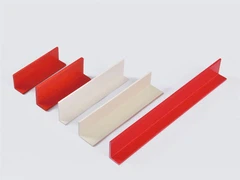

What is the production process of SMC Insulation Rod?
Sep 19, 2025
Leave a message
Hey there! I'm a supplier of SMC Insulation Rods, and today I'm gonna walk you through the production process of these nifty little things. SMC, or Sheet Molding Compound, is a composite material that's widely used in various industries because of its excellent insulation properties, high strength, and good chemical resistance.
1. Raw Material Preparation
The first step in making SMC Insulation Rods is getting all the raw materials ready. The main components of SMC are thermosetting resin, glass fibers, fillers, and various additives.
Resin
The resin is the binder that holds everything together. We usually use unsaturated polyester resin because it's cost - effective and has good mechanical and electrical properties. It comes in liquid form and is stored in large tanks.
Glass Fibers
Glass fibers are the reinforcement in SMC. They give the insulation rods their strength. These fibers are typically chopped into short lengths, usually around 12 - 50 mm. The shorter fibers are easier to mix with the resin and other components.
Fillers
Fillers are added to reduce the cost of the SMC and to improve its physical properties. Common fillers include calcium carbonate and talc. They are in powder form and are stored in silos.
Additives
Additives are used to enhance specific properties of the SMC. For example, we add release agents to make it easier to remove the molded parts from the molds, and curing agents to initiate the hardening process of the resin.
We carefully measure and mix these raw materials in specific ratios according to the desired properties of the final SMC Insulation Rods. This is a crucial step because any imbalance in the ratios can affect the quality of the rods.
2. Sheet Molding Compound Preparation
Once all the raw materials are ready, we start making the SMC sheets. This process is called the SMC compounding process.
Mixing
We first pour the resin into a large mixer. Then we gradually add the fillers, additives, and chopped glass fibers. The mixer rotates at a high speed to ensure that all the components are evenly distributed. This mixture is quite thick and sticky.


Sheet Forming
After mixing, the SMC mixture is transferred to a sheet - forming machine. The machine spreads the mixture between two layers of polyethylene film to form a continuous sheet. The thickness of the sheet can be adjusted according to the requirements. The SMC sheets are then wound onto large rolls for storage and transportation. You can check out some other SMC - molded products like SMC Medical Board, SMC Meter Box, and SMC Fan Casing which are also made from similar SMC sheets.
3. Pre - cutting the SMC Sheets
Before we can start molding the insulation rods, we need to pre - cut the SMC sheets into appropriate sizes. We use a cutting machine to cut the sheets according to the dimensions of the rods we want to produce. This step ensures that we use the right amount of SMC material for each rod and reduces waste.
4. Molding the SMC Insulation Rods
The molding process is the heart of making SMC Insulation Rods. There are two main methods for molding: compression molding and injection molding.
Compression Molding
Compression molding is the most commonly used method for making SMC Insulation Rods. In this process, we place the pre - cut SMC sheets into a heated mold cavity. The mold is designed in the shape of the insulation rod. Then we close the mold and apply high pressure. The heat and pressure cause the SMC to flow and fill the mold cavity. At the same time, the curing agents in the SMC initiate the hardening process of the resin. The whole process usually takes a few minutes, depending on the size and complexity of the rod.
Injection Molding
Injection molding is another option, especially for more complex - shaped insulation rods. In this process, the SMC is fed into an injection molding machine. The machine heats the SMC to a semi - molten state and then injects it into the mold cavity under high pressure. Injection molding can produce parts with more precise dimensions and complex geometries, but it requires more expensive equipment.
5. Post - molding Processing
After the molding process, the SMC Insulation Rods are still in the mold. We need to let them cool down for a while to ensure that the resin is fully cured. Then we open the mold and remove the rods.
Trimming
The rods may have some excess material around the edges after molding. We use a trimming machine to remove these excess parts and make the rods have smooth edges.
Surface Treatment
Sometimes, we perform surface treatments on the rods to improve their appearance and performance. For example, we can sand the surface to make it smoother or apply a coating to enhance its chemical resistance.
6. Quality Control
Quality control is an important part of the production process. We conduct various tests on the SMC Insulation Rods to ensure that they meet the required standards.
Physical Property Tests
We test the mechanical properties of the rods, such as their tensile strength, flexural strength, and impact resistance. We also measure their density and hardness. These tests are usually carried out in a laboratory using specialized testing equipment.
Electrical Property Tests
Since these are insulation rods, we pay special attention to their electrical properties. We test their dielectric strength, volume resistivity, and surface resistivity to ensure that they can effectively insulate electricity.
Any rods that fail the quality control tests are either re - worked or discarded to ensure that only high - quality rods are delivered to our customers.
7. Packaging and Storage
Once the SMC Insulation Rods pass the quality control tests, we package them for storage and transportation. We usually wrap the rods in plastic film to protect them from dust and moisture. Then we place them in cardboard boxes or wooden crates.
We store the packaged rods in a dry and cool warehouse. Proper storage conditions are important to maintain the quality of the rods over time.
If you're in the market for high - quality SMC Insulation Rods, we're here to serve you. Our rods are produced using the latest technology and strict quality control measures. Whether you need rods for electrical equipment, construction, or other applications, we can provide you with the right products. If you have any questions or want to discuss a potential purchase, feel free to reach out to us. We're looking forward to working with you!
References
- "Composite Materials Handbook"
- "Plastics Processing Technology"
Send Inquiry