




What is the lifespan of a flame retardant ceiling?
Aug 05, 2025
Leave a message
As a supplier of Flame Retardant Ceilings, I often encounter inquiries about the lifespan of these essential building materials. Understanding the lifespan of a flame retardant ceiling is crucial for both contractors and property owners, as it directly impacts long - term costs, safety, and aesthetic appeal. In this blog, I'll delve into the factors that influence the lifespan of a flame retardant ceiling, provide some general estimates, and offer tips on how to extend its service life.
Factors Influencing the Lifespan of a Flame Retardant Ceiling
Material Quality
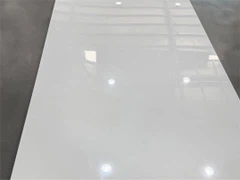
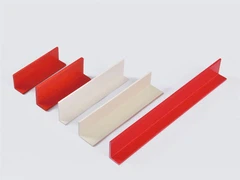
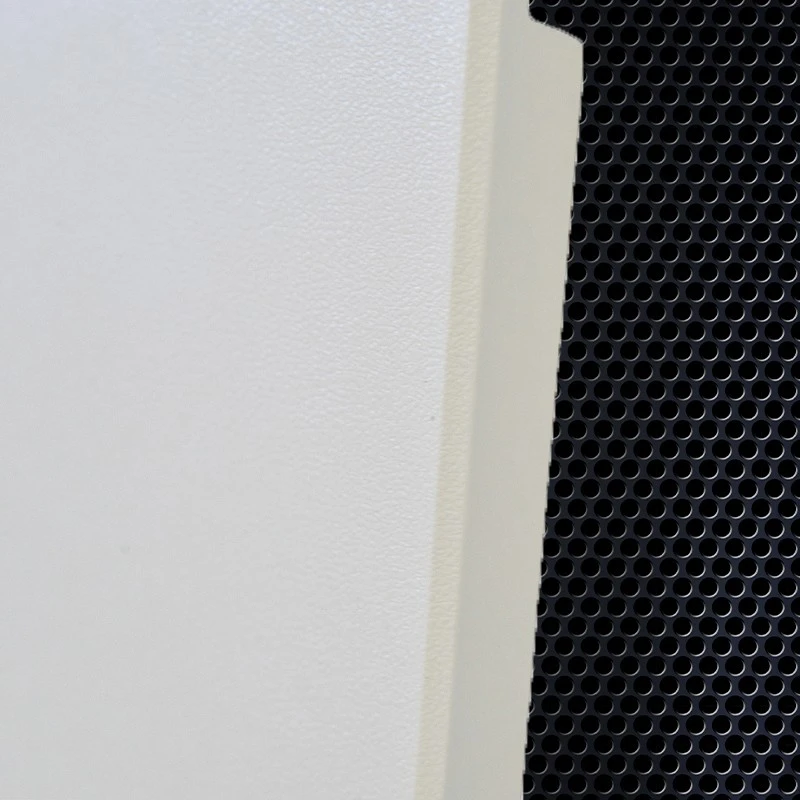
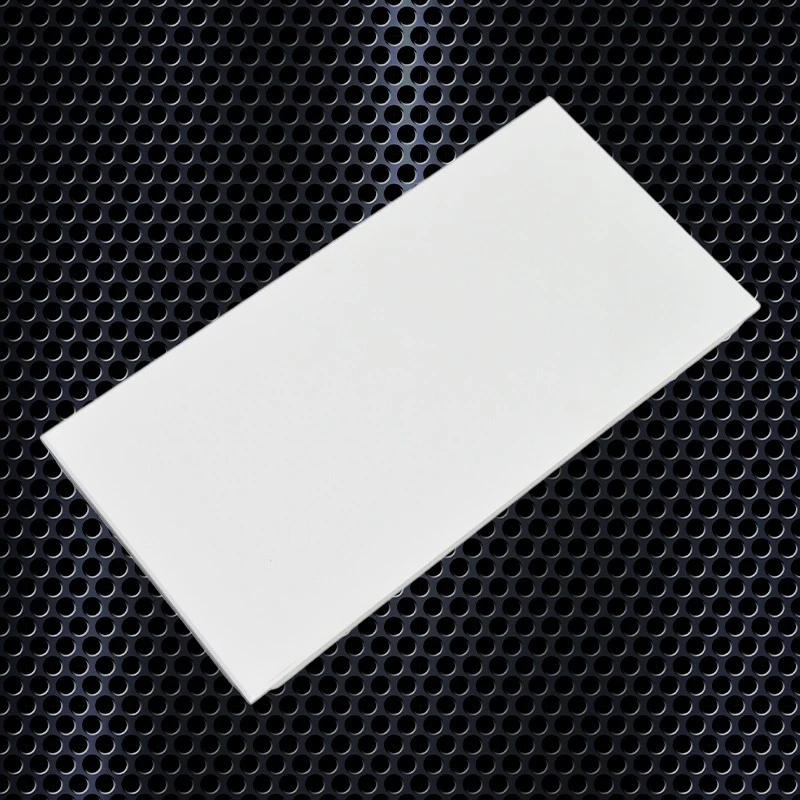
The quality of the materials used in manufacturing the flame retardant ceiling is perhaps the most significant factor affecting its lifespan. High - quality flame retardant ceilings are typically made from durable, long - lasting materials. For instance, SMC Ceiling is composed of a sheet molding compound that combines resin, fibers, and various additives. These materials are engineered to resist fire, moisture, and physical damage.
On the other hand, lower - quality ceilings may use substandard materials that are more prone to degradation over time. Inferior resins can become brittle, and low - grade fibers may lose their strength, leading to cracks, chips, and a reduced ability to withstand environmental stressors.
Installation Quality
Proper installation is essential for maximizing the lifespan of a flame retardant ceiling. If the ceiling is not installed correctly, it can lead to premature failure. For example, if the ceiling panels are not securely fastened, they may loosen over time, creating gaps that can allow moisture and debris to accumulate. This can lead to mold growth, corrosion of the supporting structures, and ultimately, a shorter lifespan for the ceiling.
Professional installers with experience in working with flame retardant ceilings are more likely to ensure a proper fit and secure installation. They understand the specific requirements of these materials and can follow the manufacturer's guidelines to the letter.
Environmental Conditions
The environment in which the flame retardant ceiling is installed plays a crucial role in determining its lifespan. Ceilings installed in areas with high humidity, such as bathrooms and kitchens, are more susceptible to moisture damage. Moisture can cause the ceiling materials to swell, warp, and eventually rot. Additionally, high humidity can promote the growth of mold and mildew, which can not only damage the ceiling but also pose health risks.
In areas with extreme temperature fluctuations, such as attics or uninsulated buildings, the ceiling materials may expand and contract repeatedly. This can lead to stress on the panels, causing them to crack or separate from the supporting structure. Exposure to direct sunlight can also cause the colors of the ceiling to fade over time, reducing its aesthetic appeal.
Maintenance and Care
Regular maintenance and care can significantly extend the lifespan of a flame retardant ceiling. Simple tasks such as keeping the ceiling clean and dry can prevent the accumulation of dirt, dust, and moisture. Cleaning the ceiling periodically with a mild detergent and a soft cloth can help remove stains and prevent the growth of mold and mildew.
Inspecting the ceiling regularly for signs of damage, such as cracks, chips, or loose panels, is also important. Early detection of problems allows for timely repairs, which can prevent further damage and extend the life of the ceiling.
General Lifespan Estimates
The lifespan of a flame retardant ceiling can vary widely depending on the factors mentioned above. On average, a well - installed and properly maintained Flame Retardant Ceiling can last anywhere from 20 to 30 years.
High - quality Fireproof Ceiling materials, such as SMC ceilings, can often last at the upper end of this range or even longer. These ceilings are designed to withstand the rigors of daily use and environmental stressors. In contrast, lower - quality ceilings or those installed in harsh environments may have a lifespan of only 10 to 15 years.
Tips to Extend the Lifespan of a Flame Retardant Ceiling
Choose the Right Material
When selecting a flame retardant ceiling, it's important to choose a high - quality material that is suitable for the specific environment. For areas with high humidity, look for ceilings that are moisture - resistant. For areas exposed to sunlight, choose materials that are fade - resistant.
Hire a Professional Installer
As mentioned earlier, proper installation is crucial for the long - term performance of the ceiling. Hire a professional installer who has experience working with flame retardant ceilings. They can ensure that the ceiling is installed correctly and that all the necessary precautions are taken.
Maintain a Suitable Environment
If possible, control the environmental conditions in the area where the ceiling is installed. Use dehumidifiers in areas with high humidity and ensure proper ventilation to prevent the buildup of moisture. In areas with extreme temperature fluctuations, consider insulating the space to reduce the stress on the ceiling materials.
Follow a Regular Maintenance Schedule
Establish a regular maintenance schedule for the ceiling. Clean the ceiling periodically, inspect it for damage, and make any necessary repairs promptly. By taking proactive steps to care for the ceiling, you can significantly extend its lifespan.
Conclusion
The lifespan of a flame retardant ceiling is influenced by a variety of factors, including material quality, installation quality, environmental conditions, and maintenance. By understanding these factors and taking appropriate measures, you can ensure that your flame retardant ceiling lasts for many years.
As a supplier of high - quality flame retardant ceilings, I am committed to providing products that offer long - term performance and value. If you are in the market for a flame retardant ceiling or have any questions about our products, I encourage you to reach out. We can discuss your specific needs and help you choose the right ceiling for your project. Contact us today to start the conversation about your next ceiling installation.
References
- Building Materials Handbook: A Comprehensive Guide to Construction Materials, 4th Edition
- International Building Code (IBC) Standards for Fire - Resistant Construction
- Journal of Building and Construction Materials Research: Studies on the Durability of Flame Retardant Ceilings
Send Inquiry