





What is the flexural modulus of BMC Electrical Casing?
Jan 20, 2026
Leave a message
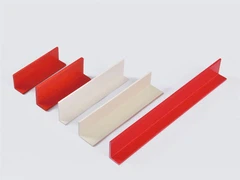
Hey there! As a supplier of BMC Electrical Casing, I often get asked about the flexural modulus of our products. So, let's dive right into it and break down what the flexural modulus of BMC Electrical Casing is all about.
First off, what's BMC? BMC stands for Bulk Molding Compound. It's a ready - to - mold material that's a mix of thermosetting resin, chopped glass fibers, fillers, and various additives. BMC has a whole bunch of awesome properties, which is why it's so popular in making electrical casings.
Now, the flexural modulus. In simple terms, the flexural modulus is a measure of a material's stiffness when it's being bent. You can think of it as how much a material resists bending under a load. For BMC Electrical Casing, having the right flexural modulus is super important. Electrical casings need to be able to hold their shape and protect the electrical components inside. If the flexural modulus is too low, the casing might bend or deform easily, which could expose the electrical parts to damage, moisture, or other hazards. On the other hand, if it's too high, the casing might become too brittle and crack under stress.
The flexural modulus of BMC Electrical Casing can vary depending on a few factors. One of the main factors is the amount and type of glass fibers in the BMC. Glass fibers are like the "bones" of the BMC. They give it strength and stiffness. Generally, the more glass fibers there are, the higher the flexural modulus. But it's not just about the quantity; the length and orientation of the glass fibers also matter. Longer fibers can provide better reinforcement, and if they're oriented in the right direction, they can enhance the stiffness of the casing even more.
Another factor is the type of resin used in the BMC. Different resins have different mechanical properties. Some resins are more flexible, while others are stiffer. The choice of resin depends on the specific requirements of the electrical casing. For example, if the casing needs to withstand high - temperature environments, a resin with good heat resistance and appropriate stiffness will be selected.
The fillers and additives in the BMC also play a role in determining the flexural modulus. Fillers can be used to reduce costs and improve certain properties. Some fillers can increase the stiffness of the BMC, while others might have a more minor effect. Additives, such as coupling agents, can improve the bonding between the glass fibers and the resin, which in turn can affect the flexural modulus.
So, how do we measure the flexural modulus of BMC Electrical Casing? Well, there are standard testing methods for this. One common method is the three - point bending test. In this test, a sample of the BMC Electrical Casing is placed on two supports, and a load is applied at the center of the sample. As the load is increased, the sample starts to bend. By measuring the load and the deflection of the sample, we can calculate the flexural modulus.
Let's talk about why the flexural modulus of BMC Electrical Casing is so crucial in real - world applications. In the electrical industry, casings need to be reliable. They protect sensitive electrical components from physical damage, dust, and moisture. A casing with the right flexural modulus can ensure that it maintains its integrity over time. For example, in a motor application, the BMC Motor Wiring Terminal is often housed in a BMC Electrical Casing. The casing needs to be stiff enough to support the terminal and prevent it from being damaged by vibrations or impacts.
In addition, when it comes to installation, a casing with an appropriate flexural modulus is easier to handle. It won't bend or break during the installation process, which can save time and money. And in the long run, it can reduce the need for maintenance and replacement.
As a supplier of BMC Electrical Casing, we pay a lot of attention to the flexural modulus of our products. We use high - quality materials and advanced manufacturing processes to ensure that our casings have the right balance of stiffness and flexibility. We also conduct strict quality control tests to make sure that each casing meets the required flexural modulus specifications.
Our BMC Group Material is carefully formulated to achieve the best performance. We work closely with our customers to understand their specific needs and develop customized solutions. Whether it's a small - scale project or a large - scale industrial application, we can provide the right BMC Electrical Casing with the appropriate flexural modulus.


If you're in the market for BMC Electrical Casing, I encourage you to reach out to us. We can offer you detailed information about the flexural modulus of our products and how they can meet your requirements. We're here to help you make the best choice for your electrical applications. Don't hesitate to contact us for a quote or to discuss your project further. We look forward to working with you!
References
- ASTM D790 - Standard Test Methods for Flexural Properties of Unreinforced and Reinforced Plastics and Electrical Insulating Materials
- TAPPI T808 om - 11 - Flexural Properties of Fiberboard by the Three - Point Loading Method
Send Inquiry