





What is the fire resistance of BMC Group Material?
Nov 04, 2025
Leave a message
As a supplier of BMC Group Material, I am often asked about the fire resistance of this remarkable material. In this blog post, I will delve into the intricacies of the fire resistance of BMC Group Material, exploring its properties, testing methods, and real - world applications.
Understanding BMC Group Material
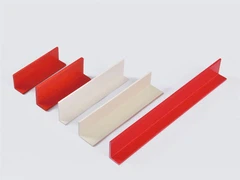
BMC Group Material, also known as Bulk Molding Compound, is a thermosetting composite material. It is composed of a mixture of polyester resin, chopped glass fibers, fillers, and various additives. This combination results in a material that offers excellent mechanical strength, dimensional stability, and chemical resistance. You can learn more about it by visiting BMC Group Material.
Fire Resistance Mechanisms of BMC Group Material
The fire resistance of BMC Group Material is attributed to several key factors. Firstly, the polyester resin used in BMC has inherent flame - retardant properties. When exposed to fire, the resin forms a char layer on the surface. This char layer acts as a barrier, preventing the further spread of flames and reducing the heat transfer to the underlying material.
Secondly, the fillers in BMC Group Material play a crucial role. Many fillers, such as aluminum hydroxide, are endothermic. When heated, they absorb heat through a chemical reaction, which helps to cool the material and slow down the combustion process. This endothermic reaction also releases water vapor, which dilutes the oxygen concentration around the material, making it more difficult for the fire to sustain.
The glass fibers in BMC Group Material also contribute to its fire resistance. They provide a physical reinforcement structure that helps to maintain the integrity of the material during a fire. Even when the resin is degraded by the heat, the glass fibers can still hold the material together, preventing it from breaking apart and spreading the fire.
Testing the Fire Resistance of BMC Group Material
To accurately assess the fire resistance of BMC Group Material, various testing methods are employed. One of the most common tests is the UL 94 test. This test evaluates the flammability of plastic materials and classifies them into different ratings, such as V - 0, V - 1, and V - 2. A V - 0 rating indicates that the material has excellent fire - retardant properties, as it self - extinguishes within a short time after the ignition source is removed and does not drip flaming particles.
Another important test is the Limiting Oxygen Index (LOI) test. The LOI measures the minimum concentration of oxygen in a mixture of oxygen and nitrogen that will support combustion. A higher LOI value means that the material requires a higher oxygen concentration to burn, indicating better fire resistance. BMC Group Material often has a relatively high LOI value, which demonstrates its good performance in terms of fire resistance.
Real - World Applications of BMC Group Material's Fire Resistance
The excellent fire resistance of BMC Group Material makes it suitable for a wide range of applications, especially in industries where fire safety is of utmost importance.
In the electrical industry, BMC Electrical Casing is a common application. Electrical equipment generates heat during operation, and there is always a risk of electrical fires. BMC Group Material's fire - retardant properties ensure that the casing can protect the internal components from fire and prevent the spread of fire to the surrounding environment.
The automotive industry also benefits from the fire resistance of BMC Group Material. BMC Motor Wiring Terminal is an example. In a vehicle, electrical systems are complex, and any short - circuit or overheating can potentially lead to a fire. Using BMC Group Material for wiring terminals helps to reduce this risk by providing a fire - resistant barrier.
In the construction industry, BMC Group Material can be used for various building components, such as wall panels and electrical enclosures. Its fire resistance can contribute to the overall fire safety of a building, protecting the occupants and reducing the damage caused by a fire.


Advantages of Using BMC Group Material for Fire - Resistant Applications
There are several advantages of choosing BMC Group Material for fire - resistant applications. Firstly, it offers a cost - effective solution. Compared to some high - end fire - resistant materials, BMC Group Material is relatively inexpensive while still providing good fire - retardant performance.
Secondly, BMC Group Material is easy to process. It can be molded into complex shapes using various molding techniques, such as compression molding and injection molding. This makes it suitable for a wide range of product designs.
In addition, BMC Group Material has good mechanical properties, even under high - temperature conditions. This means that it can maintain its structural integrity during a fire, which is crucial for applications where the material needs to support loads or protect other components.
Considerations for Using BMC Group Material in Fire - Resistant Applications
While BMC Group Material has excellent fire - resistant properties, there are still some considerations when using it in fire - resistant applications. The thickness of the material can affect its fire - retardant performance. A thicker section of BMC Group Material generally provides better fire resistance, as it takes longer for the heat to penetrate through the material.
The formulation of the BMC Group Material also matters. Different formulations may have different fire - retardant capabilities, depending on the type and amount of resin, fillers, and additives used. It is important to select the appropriate formulation based on the specific fire - safety requirements of the application.
Conclusion
In conclusion, the fire resistance of BMC Group Material is a result of the combined action of its resin, fillers, and glass fibers. Through various testing methods, we can accurately evaluate its fire - retardant performance. Its excellent fire resistance makes it a popular choice in many industries, including electrical, automotive, and construction.
If you are looking for a reliable fire - resistant material for your project, BMC Group Material is definitely worth considering. We, as a professional BMC Group Material supplier, are committed to providing high - quality products that meet your specific fire - safety requirements. If you have any questions or are interested in purchasing BMC Group Material, please feel free to contact us for further discussions and procurement negotiations.
References
- Plastics Flammability Handbook: Principles, Regulations, Testing and Approval, Second Edition, by Charles A. Wilkie and Joseph W. Lyons
- Fire Retardancy of Polymeric Materials, edited by Charles A. Wilkie and Gilman Jeffrey W.
- UL 94 Standard for Safety Tests for Flammability of Plastic Materials for Parts in Devices and Appliances
Send Inquiry