




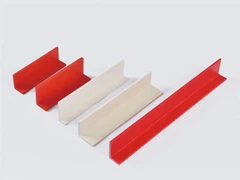

What is the emissivity of SMC Fan Casing?
Oct 28, 2025
Leave a message
What is the emissivity of SMC Fan Casing?
As a dedicated supplier of SMC (Sheet Molding Compound) Fan Casing, I often encounter inquiries about various technical aspects of our products. One question that frequently comes up is about the emissivity of SMC Fan Casing. In this blog, I will delve into the concept of emissivity, its significance for SMC Fan Casing, and how it affects the performance of the fans.
Understanding Emissivity
Emissivity is a measure of how efficiently a material emits thermal radiation compared to a perfect emitter, known as a black body. A black body has an emissivity of 1, meaning it emits radiation at the maximum possible rate for a given temperature. Real - world materials have emissivities between 0 and 1. The emissivity of a material depends on several factors, including its surface properties, composition, and temperature.
The formula for calculating the power radiated by a body is given by the Stefan - Boltzmann law: (P=\epsilon\sigma AT^{4}), where (P) is the power radiated, (\epsilon) is the emissivity, (\sigma) is the Stefan - Boltzmann constant ((\sigma = 5.67\times10^{-8}\ W/(m^{2}\cdot K^{4}))), (A) is the surface area of the body, and (T) is the absolute temperature of the body.
Emissivity of SMC Fan Casing
SMC is a composite material made from a mixture of thermosetting resin, chopped glass fibers, fillers, and additives. The emissivity of SMC Fan Casing typically ranges from 0.8 to 0.95. This relatively high emissivity is beneficial for several reasons.
Firstly, in a fan system, heat is generated by the motor and other components. A high - emissivity SMC Fan Casing can efficiently radiate this heat away from the fan. This helps in maintaining a lower operating temperature for the fan, which in turn can extend the lifespan of the motor and other internal components. For example, if a fan motor is operating at a high temperature, it can cause the insulation of the motor windings to degrade over time, leading to motor failure. By radiating heat effectively, the SMC Fan Casing reduces the thermal stress on the motor.
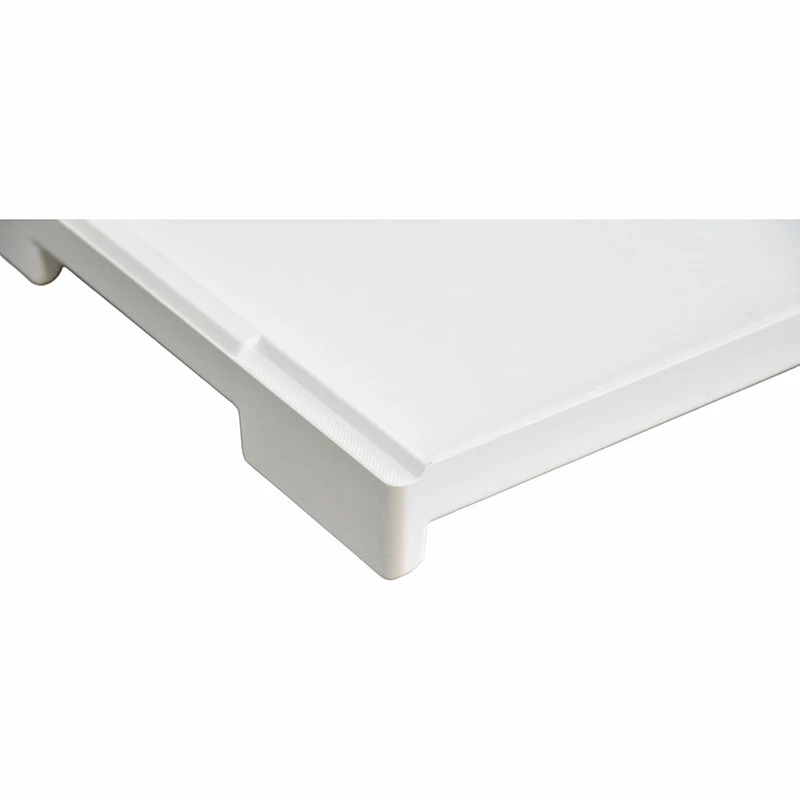
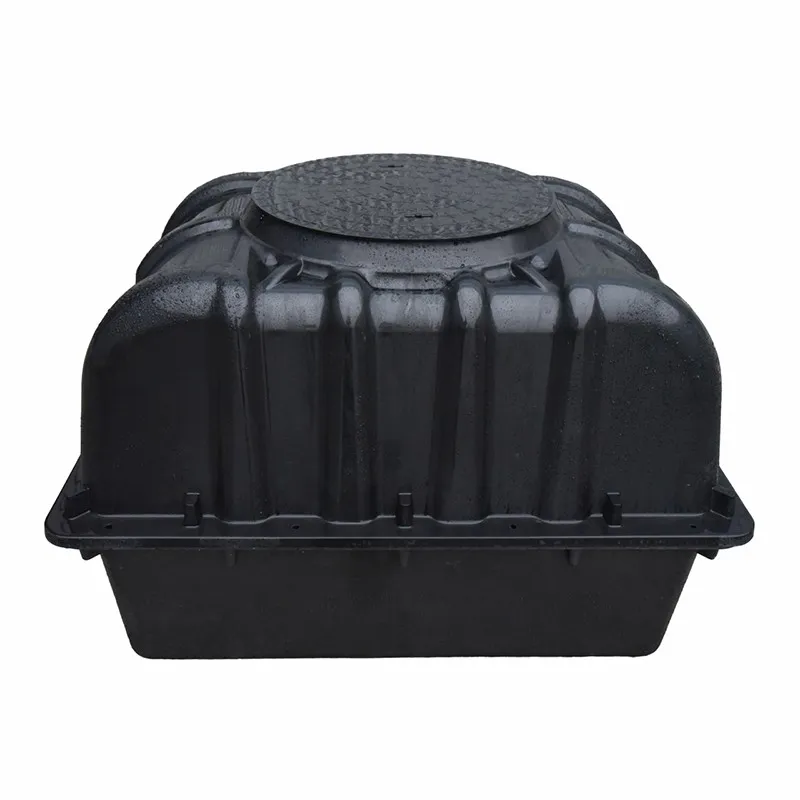
Secondly, the high emissivity of SMC also helps in reducing the temperature of the surrounding environment. In industrial settings where multiple fans are used, the heat dissipation from the fan casings can contribute to the overall thermal management of the space. This can be crucial in areas where temperature control is essential for the proper functioning of other equipment or for the comfort of the workers.
Factors Affecting the Emissivity of SMC Fan Casing
The emissivity of SMC Fan Casing can be affected by several factors. One of the main factors is the surface finish. A smooth surface may have a slightly lower emissivity compared to a rough surface. This is because a rough surface has more microscopic irregularities, which increase the effective surface area available for radiation. During the manufacturing process of SMC Fan Casing, the surface finish can be controlled to optimize the emissivity.
The composition of the SMC also plays a role. Different types of resins, fillers, and additives can affect the emissivity. For example, some fillers may have a higher or lower emissivity themselves, and their presence in the SMC can influence the overall emissivity of the casing. Additionally, the thickness of the SMC layer can also have an impact. A thicker layer may have a different emissivity compared to a thinner layer due to differences in heat transfer within the material.
Comparison with Other Materials
When compared to other materials commonly used for fan casings, such as metal (e.g., aluminum or steel), SMC has some advantages in terms of emissivity. Metals generally have lower emissivities, typically in the range of 0.05 - 0.3, depending on the type of metal and its surface finish. This means that SMC Fan Casing can radiate heat more effectively than metal casings.
Moreover, SMC is a non - conductive material, which makes it a safer option in some applications where electrical conductivity could be a concern. It also has good corrosion resistance, which is important in harsh environments. In contrast, metal casings may require additional coatings or treatments to prevent corrosion, which can add to the cost and complexity of the manufacturing process.
Applications of SMC Fan Casing and Emissivity
SMC Fan Casing with its favorable emissivity properties finds applications in a wide range of industries. In the HVAC (Heating, Ventilation, and Air Conditioning) industry, fans are used to circulate air in buildings. The efficient heat dissipation provided by the SMC Fan Casing helps in maintaining the performance of the HVAC system and reducing energy consumption.
In the automotive industry, fans are used for engine cooling and cabin ventilation. The high - emissivity SMC Fan Casing can contribute to better thermal management of the engine, which is crucial for the overall performance and reliability of the vehicle.
In industrial settings, such as factories and data centers, large - scale fans are used for ventilation and cooling. The SMC Fan Casing's ability to radiate heat effectively helps in maintaining a stable operating environment for the equipment.
Related SMC Products
We also offer other high - quality SMC products, such as SMC Septic Tank, SMC Cable Tray Box, and SMC Tray. These products also benefit from the excellent properties of SMC, including its relatively high emissivity in some cases, which can contribute to their performance and durability.
Conclusion and Call to Action
In conclusion, the emissivity of SMC Fan Casing is an important characteristic that significantly impacts the performance and lifespan of the fan. With a typical emissivity range of 0.8 - 0.95, SMC Fan Casing can efficiently radiate heat, reducing the operating temperature of the fan and the surrounding environment. This, in turn, leads to better reliability and energy efficiency.
If you are in the market for high - quality SMC Fan Casing or other SMC products, we invite you to contact us for more information and to discuss your specific requirements. Our team of experts is ready to assist you in finding the best solutions for your applications.
References
- Incropera, F. P., & DeWitt, D. P. (2002). Fundamentals of Heat and Mass Transfer. John Wiley & Sons.
- Holman, J. P. (2002). Heat Transfer. McGraw - Hill.
Send Inquiry