


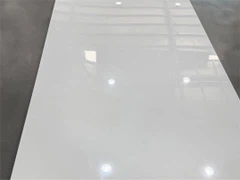

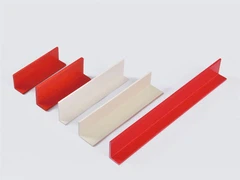

What is the electrical insulation performance of GFK Antibacterial Board?
Oct 06, 2025
Leave a message
As a supplier of GFK Antibacterial Board, I am often asked about its various performance characteristics. One key aspect that many customers are interested in is its electrical insulation performance. In this blog post, I will delve into the electrical insulation properties of GFK Antibacterial Board, exploring what makes it a reliable choice in applications where electrical safety is crucial.
Understanding Electrical Insulation
Before we discuss the electrical insulation performance of GFK Antibacterial Board, it's important to understand what electrical insulation means. Electrical insulation is the process of preventing the flow of electric current through a material. Insulating materials have high electrical resistance, which restricts the movement of electrons and thus reduces the risk of electrical shock, short - circuits, and fires.
Composition of GFK Antibacterial Board and Its Impact on Electrical Insulation
GFK Antibacterial Board is a composite material. It typically consists of glass fiber reinforced plastic (GRP) with an antibacterial agent incorporated into its structure. The glass fibers in the board play a significant role in its electrical insulation properties. Glass is a well - known electrical insulator. It has a high dielectric constant, which means it can store electrical energy in an electric field without conducting it.
The resin matrix in the GFK Antibacterial Board also contributes to its insulation performance. Resins used in these boards are carefully selected for their electrical properties. They have low electrical conductivity and can effectively isolate the glass fibers, enhancing the overall insulation of the board.
Testing the Electrical Insulation Performance of GFK Antibacterial Board
To ensure the reliability of the electrical insulation performance of GFK Antibacterial Board, various tests are conducted. One of the most common tests is the dielectric strength test. Dielectric strength is the maximum electric field that an insulating material can withstand without breaking down and conducting electricity.
During the dielectric strength test, a high - voltage is applied to the GFK Antibacterial Board sample. The voltage is gradually increased until the material breaks down. The dielectric strength is then calculated based on the applied voltage and the thickness of the sample. Our GFK Antibacterial Boards typically have a high dielectric strength, which indicates their excellent ability to resist electrical breakdown.
Another important test is the volume resistivity test. Volume resistivity measures the resistance of a material to the flow of electric current through its bulk. A high volume resistivity means that the material is a good electrical insulator. Our GFK Antibacterial Boards have been tested to have a very high volume resistivity, further demonstrating their superior electrical insulation performance.
Applications Benefiting from the Electrical Insulation of GFK Antibacterial Board
The excellent electrical insulation performance of GFK Antibacterial Board makes it suitable for a wide range of applications.
Electrical Enclosures
In the electrical industry, GFK Antibacterial Board is often used to make electrical enclosures. These enclosures protect electrical components from external factors such as dust, moisture, and mechanical damage. At the same time, their high - quality electrical insulation properties prevent electrical leakage and ensure the safety of the electrical system. For example, in control panels, GFK Antibacterial Board enclosures can isolate live electrical parts from the outside environment, reducing the risk of electrical accidents.
Switchgear Components
Switchgear is an important part of the power distribution system. GFK Antibacterial Board can be used to manufacture various components in switchgear, such as insulation partitions and support structures. The electrical insulation of the board helps to prevent short - circuits between different electrical conductors in the switchgear, ensuring the stable operation of the power system.
Building Electrical Installations
In building construction, GFK Antibacterial Board can be used in electrical installations. For instance, it can be used as a lining material for electrical ducts and cable trays. The board's electrical insulation properties protect the cables from electrical interference and reduce the risk of electrical fires. It also helps to meet the strict electrical safety standards in building codes.
Comparison with Other Insulating Materials
When compared with other common insulating materials, GFK Antibacterial Board has several advantages. For example, compared to traditional ceramic insulators, GFK Antibacterial Board is lighter in weight. This makes it easier to handle and install, especially in large - scale projects.
Compared to some plastic insulating materials, GFK Antibacterial Board has better mechanical strength and heat resistance. It can maintain its electrical insulation performance even under harsh environmental conditions, such as high temperatures and humidity.

Fire and Flame Resistance in Relation to Electrical Insulation
In addition to its electrical insulation performance, GFK Antibacterial Board also has good fire and flame resistance. This is an important factor in electrical applications, as electrical faults can sometimes lead to fires. Our GFK Antibacterial Board meets high fire safety standards. You can learn more about our fire - resistant products like the Fireproof Ceiling and Flame Retardant Ceiling. These properties further enhance the safety of electrical systems using GFK Antibacterial Board.
Conclusion
In conclusion, the electrical insulation performance of GFK Antibacterial Board is outstanding. Its unique composition, including glass fibers and a carefully selected resin matrix, gives it high dielectric strength and volume resistivity. Through rigorous testing, we can ensure that the board meets the high - level electrical safety requirements in various applications.
Whether you are in the electrical industry, building construction, or other fields that require reliable electrical insulation, our GFK Antibacterial Board is an excellent choice. If you are interested in our GFK Antibacterial Board and would like to discuss procurement details, please feel free to reach out to us. We are more than happy to provide you with detailed product information and support your projects.
References
- "Handbook of Electrical Insulating Materials" by John Wiley & Sons.
- "Composite Materials for Electrical Applications" by Springer.
Send Inquiry