




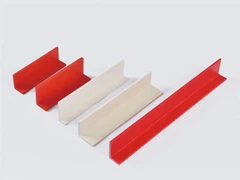

What is the comparison of cost between SMC Insulation Rod and other insulation rods?
Dec 19, 2025
Leave a message
Hey there! As a supplier of SMC Insulation Rods, I've been getting a lot of questions lately about how the cost of our SMC Insulation Rods stacks up against other insulation rods out there. So, I thought I'd take the time to break it down for you in this blog post.


First off, let's talk about what SMC (Sheet Molding Compound) is. SMC is a composite material made up of polyester resin, fiberglass, and other additives. It's known for its high strength, excellent electrical insulation properties, and resistance to corrosion and chemicals. These features make SMC Insulation Rods a popular choice in a wide range of industries, from electrical engineering to automotive manufacturing.
Now, when it comes to comparing the cost of SMC Insulation Rods with other types of insulation rods, there are several factors to consider.
Material Costs
The raw materials used in SMC Insulation Rods play a significant role in their cost. Polyester resin and fiberglass, the main components of SMC, have their own price points in the market. The quality and grade of these materials can vary, which in turn affects the cost of the final product.
For example, high - grade fiberglass with better mechanical properties will cost more. However, this investment often pays off in the long run as it results in a more durable and reliable insulation rod.
In comparison, other insulation rods may use different materials. Some might be made of traditional materials like porcelain or ceramic. Porcelain insulation rods have been around for a long time and are known for their good insulation properties. But the raw materials for porcelain, such as clay and feldspar, also have their own cost structures. The extraction, processing, and firing of porcelain can be energy - intensive, which adds to the overall cost.
Manufacturing Processes
The manufacturing process of SMC Insulation Rods is another cost - determining factor. SMC is typically molded under high pressure and temperature. This process requires specialized equipment and skilled labor. The initial investment in setting up the manufacturing facilities can be quite high.
However, once the production line is up and running, the process can be relatively efficient. Mass production of SMC Insulation Rods can lead to economies of scale, reducing the per - unit cost.
On the other hand, some other insulation rods, like those made of epoxy resin, may have a different manufacturing process. Epoxy resin insulation rods are often made by casting. This process can be more time - consuming, especially when it comes to curing the resin. The curing time can affect the production rate, and if not properly managed, it can increase the cost.
Performance and Long - Term Costs
When comparing costs, it's important to look beyond the initial purchase price. The performance and lifespan of an insulation rod can have a big impact on the long - term costs.
SMC Insulation Rods offer excellent electrical insulation, high mechanical strength, and good resistance to environmental factors. This means they are less likely to fail prematurely. For example, in an outdoor electrical substation, an SMC Insulation Rod can withstand harsh weather conditions, such as rain, snow, and UV radiation, without significant degradation.
In contrast, some other insulation rods may be more prone to damage. A wooden insulation rod, for instance, can rot over time if exposed to moisture. This would require more frequent replacement, which adds to the overall cost in the long run.
Market Competition
The level of competition in the market also affects the cost of insulation rods. The market for SMC Insulation Rods is growing, and there are more and more suppliers entering the scene. This increased competition can drive down prices as suppliers try to attract customers.
However, it's important to note that not all SMC Insulation Rods are created equal. Some suppliers may cut corners on quality to offer lower prices. As a responsible supplier, we always strive to maintain a balance between cost and quality.
Let's take a look at some real - world applications to see how the cost comparison plays out.
In the electrical power transmission industry, insulation rods are used to support and insulate high - voltage conductors. SMC Insulation Rods are a popular choice here because of their high strength - to - weight ratio and good electrical insulation properties.
If we compare the cost of SMC Insulation Rods with ceramic insulation rods in this application, the initial cost of ceramic rods may be lower in some cases. But considering the installation costs (ceramic rods are heavier and more brittle, which can make installation more difficult and costly), and the long - term maintenance costs (SMC rods are more resistant to cracking and damage), SMC Insulation Rods can be a more cost - effective option in the long run.
Another application is in the automotive industry, where insulation rods are used in electrical systems. SMC Insulation Rods can be designed to fit specific shapes and sizes, which is an advantage in automotive applications where space is often limited.
Compared to other plastic - based insulation rods, SMC Insulation Rods may have a slightly higher upfront cost. But their better mechanical and thermal properties mean they can perform better under the harsh conditions inside a vehicle, such as high temperatures and vibrations. This can reduce the likelihood of electrical failures and the associated repair costs.
Now, I'd like to mention some related SMC products that you might be interested in. You can check out SMC Polyester Fiberglass Sheet Flat Board, SMC Natural Gas Tank, and SMC Material Bathroom. These products also showcase the versatility of SMC materials.
If you're in the market for insulation rods and want to learn more about the cost - effectiveness of SMC Insulation Rods, I'd love to have a chat with you. Whether you're looking for a small - scale order or a large - volume supply, we can work together to find the best solution for your needs. Contact us to start the procurement discussion and see how our SMC Insulation Rods can fit into your project.
References
- "Composite Materials in Electrical Engineering" - A technical handbook on the use of composite materials like SMC in electrical applications.
- "Insulation Materials: Properties and Applications" - A comprehensive guide on different insulation materials and their cost - performance trade - offs.
Send Inquiry