


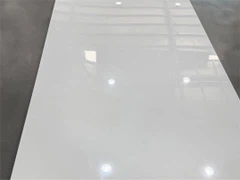

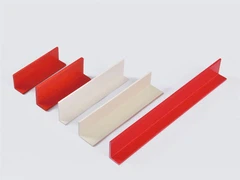

What is the anti - slip property of SMC Decorative Panel?
Dec 11, 2025
Leave a message
What is the anti - slip property of SMC Decorative Panel?
As a supplier of SMC Decorative Panels, I've witnessed firsthand the increasing demand for high - quality, functional building materials. One of the most crucial features that customers often inquire about is the anti - slip property of our SMC Decorative Panels. In this blog, I'll delve into what the anti - slip property of SMC Decorative Panels entails, its importance, and how it benefits various applications.
Understanding SMC Decorative Panels
Before we discuss the anti - slip property, let's briefly understand what SMC (Sheet Molding Compound) Decorative Panels are. SMC is a composite material made from a combination of polyester resin, fiberglass reinforcement, fillers, and additives. These panels are known for their excellent mechanical properties, corrosion resistance, and aesthetic appeal. They are widely used in various industries, including construction, transportation, and electrical engineering.
What is the Anti - Slip Property?
The anti - slip property of SMC Decorative Panels refers to their ability to provide sufficient friction between the panel surface and the contact object (such as shoes or wheels) to prevent slipping. This property is measured by the coefficient of friction (COF). A higher COF indicates better anti - slip performance.
The anti - slip feature of our SMC Decorative Panels is achieved through a combination of surface treatment and material composition. During the manufacturing process, we can apply special textures or patterns to the panel surface. These textures create micro - irregularities that increase the contact area between the panel and the object, thereby enhancing friction. Additionally, the use of specific additives in the material can also improve the anti - slip characteristic.
Importance of Anti - Slip Property
The anti - slip property of SMC Decorative Panels is of utmost importance in many applications. In public areas such as shopping malls, airports, and hospitals, safety is a top priority. Slippery floors can lead to accidents, including falls and injuries. By using SMC Decorative Panels with good anti - slip properties, the risk of such accidents can be significantly reduced.
In industrial settings, anti - slip panels are essential for worker safety. For example, in factories where workers may be exposed to water, oil, or other slippery substances, anti - slip SMC Decorative Panels can provide a secure walking surface. They can also be used in areas with heavy machinery traffic, preventing vehicles from skidding and ensuring smooth operations.
In the transportation industry, SMC Decorative Panels with anti - slip properties are used in buses, trains, and ships. Passengers need a stable surface to walk on, especially when the vehicle is in motion or during adverse weather conditions. Anti - slip panels enhance the safety and comfort of passengers.
Applications of Anti - Slip SMC Decorative Panels
- Building Interiors: In commercial buildings, anti - slip SMC Decorative Panels can be used for flooring in corridors, staircases, and restrooms. They not only provide safety but also add an aesthetic touch to the interior space. For example, in a modern office building, the use of stylish anti - slip SMC panels can create a professional and safe environment.
- Industrial Flooring: Factories, warehouses, and workshops can benefit from the anti - slip property of SMC Decorative Panels. They can withstand heavy loads and harsh working conditions while ensuring the safety of workers. For instance, in a food processing plant, where the floor may be wet due to cleaning or product spills, anti - slip SMC panels are an ideal choice.
- Transportation Vehicles: As mentioned earlier, buses, trains, and ships can use anti - slip SMC Decorative Panels for their flooring. They can also be used in the entrance and exit areas of vehicles to prevent passengers from slipping when getting on or off.
Comparison with Other Materials
When compared with other flooring materials, SMC Decorative Panels with anti - slip properties have several advantages. Traditional materials like ceramic tiles may be slippery when wet, and they can also be brittle and prone to cracking. Wooden floors may warp or rot over time, especially in humid environments. In contrast, SMC Decorative Panels are durable, resistant to corrosion, and can maintain their anti - slip performance for a long time.
Moreover, SMC Decorative Panels offer more design flexibility. They can be manufactured in various colors, patterns, and sizes, allowing architects and designers to create unique and functional spaces.
Our Product Range
We offer a wide range of SMC Decorative Panels with different levels of anti - slip performance to meet the diverse needs of our customers. For example, our SMC Yellow Insulation Board Strong Anti - aging Properties is not only known for its anti - aging properties but also has excellent anti - slip characteristics, making it suitable for outdoor and industrial applications.
Our SMC Electrical Insulation Sheet Corrosion Resistance is another product that combines anti - slip features with electrical insulation and corrosion resistance. It is ideal for electrical control rooms and other areas where safety and performance are critical.


In addition, we also have related products like the BMC Motor Wiring Terminal which, although not a decorative panel, is part of our comprehensive product portfolio.
Conclusion
The anti - slip property of SMC Decorative Panels is a vital feature that enhances safety and functionality in various applications. As a supplier, we are committed to providing high - quality SMC Decorative Panels with excellent anti - slip performance. Our products are designed to meet the strictest safety standards and offer long - term reliability.
If you are interested in our SMC Decorative Panels or have any questions about their anti - slip properties, please feel free to contact us for further information and to discuss your procurement needs. We look forward to working with you to find the best solutions for your projects.
References
- "Composite Materials Handbook" by John W. Weeton, David M. Peters, and Kenneth L. Thomas.
- "Safety Standards for Flooring Materials" published by the International Building Code Council.
Send Inquiry