




What is the abrasion resistance of SMC Decorative Panel?
May 29, 2025
Leave a message
Hey there! As a supplier of SMC Decorative Panel, I often get asked about the abrasion resistance of these panels. So, I thought I'd write a blog post to share some insights on this topic.
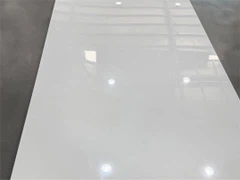
First off, let's talk about what SMC stands for. SMC stands for Sheet Molding Compound, which is a composite material made up of chopped glass fibers, resin, and various additives. SMC Decorative Panels are widely used in a variety of applications, including interior decoration, automotive, and aerospace industries, thanks to their excellent mechanical properties, corrosion resistance, and aesthetic appeal.
What is Abrasion Resistance?
Abrasion resistance refers to a material's ability to withstand wear and tear caused by friction, rubbing, or scraping. In the context of SMC Decorative Panels, good abrasion resistance means that the panels can maintain their appearance and performance even when exposed to regular use and contact.
Factors Affecting the Abrasion Resistance of SMC Decorative Panels
1. Resin Type
The type of resin used in the SMC formulation plays a crucial role in determining the abrasion resistance of the panels. Some resins, such as polyester and vinyl ester, offer better abrasion resistance compared to others. These resins form a hard and durable surface that can resist scratches and abrasions.
2. Glass Fiber Content
Glass fibers are one of the main components of SMC, and they significantly enhance the mechanical properties of the panels, including abrasion resistance. A higher glass fiber content generally results in better abrasion resistance because the fibers act as a reinforcement, making the panel more resistant to wear.
3. Surface Treatment
Surface treatments can also improve the abrasion resistance of SMC Decorative Panels. For example, applying a protective coating or finish can create an additional layer of protection against scratches and abrasions. Some coatings are specifically designed to be highly resistant to wear and can significantly extend the lifespan of the panels.
4. Manufacturing Process
The manufacturing process of SMC Decorative Panels can also impact their abrasion resistance. Proper molding and curing processes ensure that the panels have a uniform structure and density, which is essential for good abrasion resistance. Inconsistent molding or improper curing can lead to weak spots in the panel, making it more prone to abrasion.
Testing the Abrasion Resistance of SMC Decorative Panels
There are several standard tests used to evaluate the abrasion resistance of materials, including SMC Decorative Panels. One common test is the Taber Abraser test. In this test, a rotating abrasive wheel is applied to the surface of the panel under a specified load, and the amount of material worn away after a certain number of revolutions is measured. The lower the wear rate, the better the abrasion resistance of the panel.
Another test is the sandpaper abrasion test, where sandpaper is rubbed against the panel surface with a specific pressure and number of strokes. The visual inspection of the panel surface after the test can give an indication of its abrasion resistance.
Benefits of High Abrasion Resistance in SMC Decorative Panels
1. Longevity
Panels with high abrasion resistance have a longer lifespan. They can withstand the rigors of daily use without showing significant signs of wear and tear, which means you won't have to replace them as often. This is especially important in high-traffic areas or applications where the panels are likely to be in contact with hard objects.
2. Cost - Effectiveness
Although SMC Decorative Panels with high abrasion resistance may have a slightly higher upfront cost, they are more cost - effective in the long run. Since they last longer, you save money on replacement costs and maintenance.
3. Aesthetic Appeal
Good abrasion resistance helps the panels maintain their original appearance over time. Scratches and abrasions can make a panel look old and worn out, but with high abrasion resistance, the panels will continue to look new and attractive for years to come.
Applications of SMC Decorative Panels with Good Abrasion Resistance
1. Interior Decoration
In interior decoration, SMC Decorative Panels are used for wall cladding, partitions, and furniture. In areas like commercial buildings, hotels, and restaurants, where there is a lot of foot traffic and potential for contact with objects, panels with high abrasion resistance are ideal. They can keep the interior looking great without the need for frequent touch - ups or replacements.


2. Automotive Industry
In the automotive industry, SMC Decorative Panels are used for interior trim, dashboard components, and door panels. These panels are constantly exposed to friction from passengers getting in and out of the vehicle, as well as contact with various objects. High abrasion resistance ensures that the panels maintain their quality and appearance throughout the lifespan of the vehicle.
3. Aerospace Industry
In the aerospace industry, weight is a critical factor, and SMC Decorative Panels offer a lightweight yet durable solution. The panels need to be able to withstand the vibrations and potential abrasion during flight. Good abrasion resistance is essential to ensure the safety and functionality of the panels in this demanding environment.
Our SMC Decorative Panels
As a supplier, we offer a range of SMC Decorative Panels with excellent abrasion resistance. Our panels are made with high - quality resins and a carefully selected glass fiber content to ensure optimal performance. We also use advanced manufacturing processes and surface treatments to enhance their abrasion resistance.
In addition to our SMC Decorative Panels, we also supply SMC Flame Retardant Board and SMC Insulation Board, which also have great mechanical properties and performance.
If you're in the market for SMC Decorative Panels or any of our other products, I encourage you to reach out to us for a quote. We can provide you with detailed information about our products and help you choose the right solution for your specific needs. Whether you're working on a small interior project or a large - scale industrial application, we have the expertise and products to meet your requirements.
References
- ASTM International. (2023). Standard Test Methods for Abrasion Resistance of Organic Coatings by the Taber Abraser.
- ISO Standards. (2023). Abrasion Resistance Testing Standards for Composite Materials.
Send Inquiry