




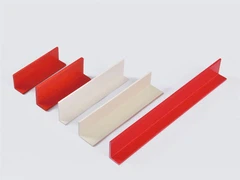

What are the electrical conductivity properties of BMC Group Material?
Dec 05, 2025
Leave a message
Hey there! I'm a supplier of BMC Group Material, and today I wanna chat about the electrical conductivity properties of this awesome stuff.
First off, let's get a basic understanding of what BMC Group Material is. BMC, or Bulk Molding Compound, is a composite material made up of various components like thermosetting resins, glass fibers, fillers, and additives. It's widely used in different industries because of its great mechanical and electrical properties. You can find out more about it on this page: BMC Group Material.
Now, let's dig into the electrical conductivity properties. BMC Group Material typically has low electrical conductivity, which means it acts as an insulator in most cases. This is a really important feature, especially in electrical applications where you don't want electricity to flow through the material accidentally. For example, in BMC Electrical Casing, the low conductivity helps to protect the electrical components inside from short - circuits and external electrical interference. The casing provides a safe and stable environment for the electrical parts, ensuring the proper functioning of the whole electrical system.


The low conductivity of BMC Group Material is mainly due to its composition. The thermosetting resins used in BMC are generally poor conductors of electricity. These resins form a matrix that holds the other components together, and they create a barrier that restricts the movement of electrons. Also, the fillers added to the BMC can further reduce its conductivity. Fillers like calcium carbonate or talc are non - conductive materials, and when they are mixed into the resin matrix, they increase the resistance of the material.
However, there are situations where you might want to modify the electrical conductivity of BMC Group Material. Sometimes, in certain high - tech applications, a bit of conductivity is required. For instance, in BMC Motor Wiring Terminal, a small amount of conductivity can help with grounding or dissipating static electricity. To achieve this, conductive additives can be incorporated into the BMC. Carbon black is a commonly used conductive additive. When added in the right proportion, it can increase the electrical conductivity of the BMC while still maintaining its other desirable properties like mechanical strength and chemical resistance.
The amount of conductive additive and the way it's dispersed in the BMC play a crucial role in determining the final conductivity. If the additive is not well - dispersed, it might form clusters, which can lead to inconsistent conductivity across the material. So, during the manufacturing process, special techniques are used to ensure a uniform distribution of the conductive additive. This usually involves high - speed mixing and advanced compounding methods.
Another factor that affects the electrical conductivity of BMC Group Material is temperature. Generally, as the temperature increases, the conductivity of most materials changes. In the case of BMC, the relationship between temperature and conductivity is complex. At low temperatures, the conductivity is relatively stable. But as the temperature rises, the mobility of the molecules in the resin matrix increases. This can cause a slight increase in conductivity, especially if there are any conductive pathways formed by the additives. However, if the temperature gets too high, the resin might start to degrade, which can have a negative impact on the conductivity and other properties of the material.
Humidity can also have an effect on the electrical conductivity of BMC. In a humid environment, water molecules can be absorbed by the BMC. Since water is a conductor to some extent, the absorbed water can create additional conductive paths in the material, leading to an increase in conductivity. This is something to be aware of, especially in applications where the BMC is exposed to high - humidity conditions. To mitigate this issue, surface treatments or moisture - resistant coatings can be applied to the BMC to reduce water absorption.
In terms of the long - term performance of BMC Group Material in electrical applications, its low conductivity is a big advantage. It provides long - lasting protection for electrical components, reducing the risk of electrical failures over time. The stable electrical properties of BMC make it a reliable choice for many industries, including automotive, electronics, and electrical power systems.
If you're in the market for a material with specific electrical conductivity properties, BMC Group Material could be a great option. Whether you need a highly insulating material or one with a bit of conductivity, we can customize the BMC according to your requirements. We have a team of experts who are well - versed in the science of BMC and can help you find the perfect solution for your application.
If you're interested in learning more or want to start a procurement discussion, don't hesitate to reach out. We're here to answer all your questions and work with you to get the best BMC Group Material for your needs.
References:
- "Handbook of Composite Materials"
- "Electrical Properties of Polymer - Based Composites"
Send Inquiry