





What are the disadvantages of SMC Caopenjing?
Jul 09, 2025
Leave a message
Hey there! I'm a supplier of SMC Caopenjing, and today I wanna have an open and honest chat about the disadvantages of SMC Caopenjing. It's not all sunshine and rainbows, you know. Let's dig into it.
1. Limited Temperature Resistance
One of the major drawbacks of SMC Caopenjing is its limited temperature resistance. SMC, or Sheet Molding Compound, is a composite material made up of resin, glass fibers, and other additives. While it has many great properties, it doesn't handle extreme temperatures very well.
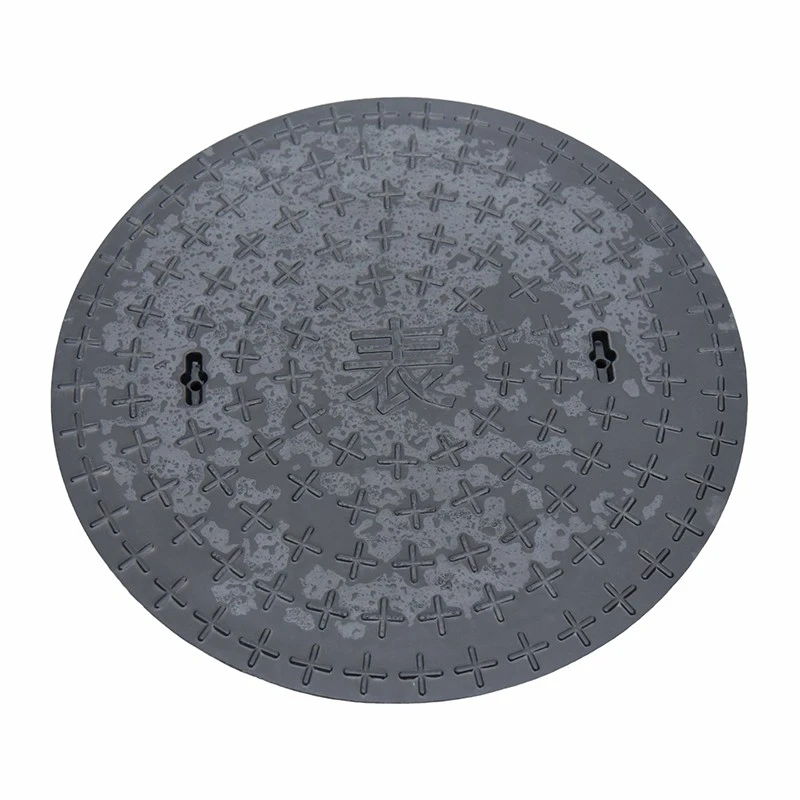
In high - temperature environments, SMC Caopenjing can start to deform. The resin matrix in SMC softens at relatively high temperatures. For example, if it's exposed to direct sunlight for long periods in a very hot climate, say over 60 degrees Celsius, the material might start to lose its shape. This is a big problem, especially in areas with harsh summers. It can affect the functionality of the products. For instance, a SMC Load - bearing Manhole Cover that deforms due to high temperatures might not fit properly in its frame anymore. This could lead to safety hazards as it may create gaps where people or objects could fall through.
On the other hand, in extremely cold temperatures, SMC Caopenjing becomes brittle. When the temperature drops below freezing, the material loses its flexibility. The glass fibers and resin can contract at different rates, causing internal stresses in the material. This can result in cracks forming on the surface of the product. A cracked SMC Inspection Well Elevation Joint might not be able to provide a proper seal, which could lead to water leakage or the entry of debris into the inspection well.
2. Susceptibility to Chemical Attack
Another disadvantage is its susceptibility to certain chemicals. SMC Caopenjing is not completely resistant to all types of chemicals. Some strong acids and alkalis can react with the resin in the SMC. For example, sulfuric acid, which is commonly found in industrial wastewaters, can corrode the surface of SMC products.
If a SMC Meter Box is installed in an area where it's exposed to chemical fumes or spills, the chemical reaction can weaken the structure of the box. The resin might start to break down, which can compromise the protection it provides to the meters inside. Over time, the box may become so damaged that it no longer functions as a proper enclosure, leaving the meters vulnerable to environmental factors and potential tampering.
Even some common cleaning agents can have a negative impact on SMC Caopenjing. Harsh detergents or solvents used for cleaning can etch the surface of the material, making it look dull and reducing its overall durability.

3. High Initial Cost
Let's talk about the cost. SMC Caopenjing products generally have a higher initial cost compared to some traditional materials. The manufacturing process of SMC involves using specialized equipment and high - quality raw materials. The resin and glass fibers used in SMC are not cheap, and the molding process requires precision and skill.
For a construction project, choosing SMC products like SMC Load - bearing Manhole Covers might mean a significant upfront investment. This can be a deterrent for some customers, especially those on a tight budget. They might opt for cheaper alternatives like concrete or cast iron manhole covers, even though SMC has some advantages in terms of weight and corrosion resistance in normal conditions.
However, it's important to note that while the initial cost is high, SMC products can offer long - term savings in terms of maintenance and replacement. But convincing customers to look at the long - term benefits when they are faced with a large initial outlay can be a challenge.
4. Recycling Challenges
Recycling SMC Caopenjing is not as straightforward as recycling some other materials. SMC is a composite material, which means it's made up of different components that are difficult to separate. The resin and glass fibers are bonded together in a complex way, and there are currently limited recycling facilities that can handle SMC effectively.
When SMC products reach the end of their life cycle, they often end up in landfills. This is not only a waste of resources but also has environmental implications. As more and more SMC products are being used in various industries, the problem of waste management is becoming more prominent. There is a need for more research and development in the area of SMC recycling to find better solutions.
5. Difficulty in Customization
While SMC Caopenjing can be molded into various shapes, it's not as easy to customize as some other materials. The molding process for SMC requires specific molds, and creating custom - made molds can be expensive and time - consuming.
If a customer has a unique design requirement for a SMC Inspection Well Elevation Joint or a SMC Meter Box, it might be difficult to meet their needs quickly. The lead time for developing a new mold and producing the customized product can be several weeks or even months. This can be a problem for projects with tight deadlines or for customers who need a one - off, specialized product.
Despite these disadvantages, SMC Caopenjing still has many advantages, such as its light weight, high strength - to - weight ratio, and good corrosion resistance in normal conditions. It's important for customers to weigh the pros and cons before making a decision.
If you're in the market for SMC Caopenjing products and want to discuss how these disadvantages might affect your specific project, feel free to reach out. We can have a detailed conversation about your requirements and see if SMC is the right choice for you.
References
- "Handbook of Composite Materials" - A comprehensive guide on composite materials including SMC.
- Industry reports on SMC manufacturing and usage.
- Technical papers on the properties and limitations of SMC.
Send Inquiry